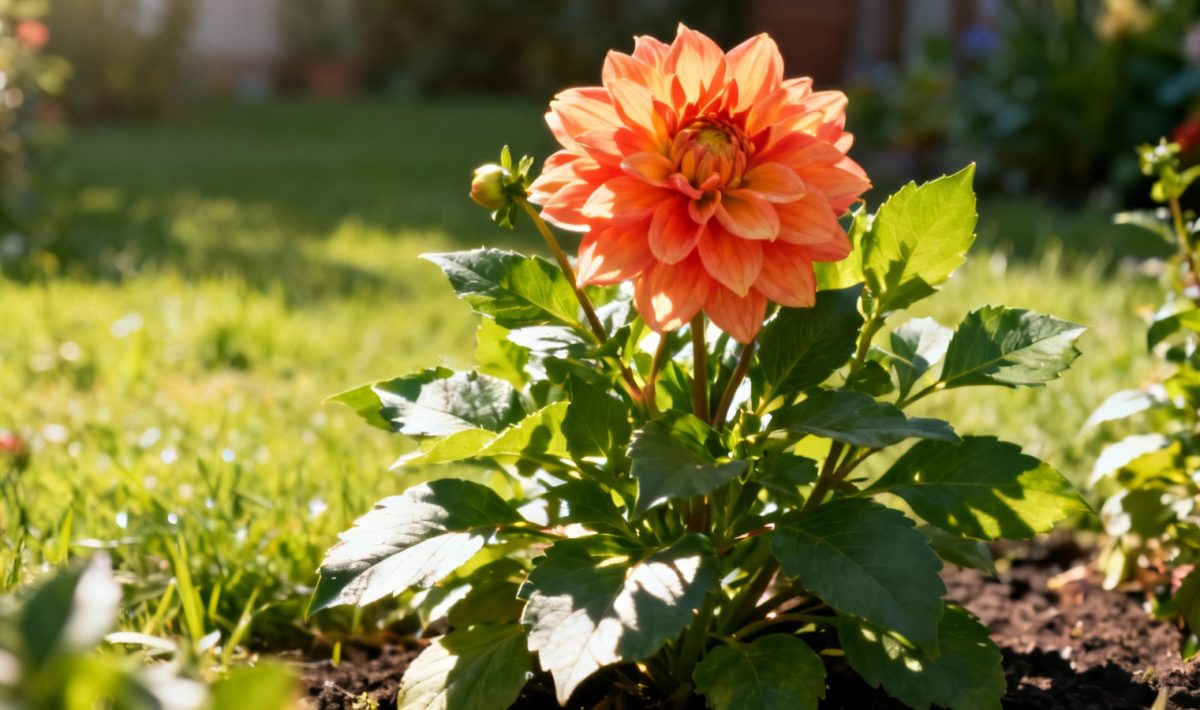
How much sunlight does garden dahlia need for vibrant blooms
Dahlias are among the most stunning flowers you can grow in your garden, but they come with specific sunlight requirements that make or break their success. Understanding how much sunlight does garden dahlia need is crucial for achieving those spectacular blooms that gardeners dream about. These vibrant flowers demand plenty of bright light to reach their full potential, and getting this right from the start makes all the difference.
Garden dahlias (Dahlia × hortensis) are sun-loving plants that thrive in full sunlight conditions. Unlike some plants that can tolerate partial shade, dahlias become quite finicky when they don’t receive adequate light. This makes proper placement in your garden absolutely essential for successful cultivation.
Garden dahlias need a minimum of 6 hours of direct sunlight per day, though 8 hours or more produces the best results. This requirement isn’t negotiable – dahlias grown in insufficient light will stretch, become weak, and produce fewer flowers. The morning sun is particularly beneficial as it helps dry overnight moisture from leaves, reducing the risk of fungal diseases like powdery mildew.
When choosing a spot for your dahlias, avoid areas that receive afternoon shade from trees, buildings, or fences. These plants perform best in locations with consistent, bright sunlight throughout most of the day. Even partial shade can cause stems to become elongated and flowers to be smaller and less vibrant than expected.
The intensity of sunlight also matters significantly. Dahlias prefer bright, direct sunlight rather than filtered light through tree canopies. This strong light exposure encourages robust stem development and promotes the abundant flowering that makes these plants so desirable in garden displays.
Signs your dahlias need more light
Recognizing when your dahlias aren’t receiving enough sunlight helps you address problems before they become severe. Plants grown in insufficient light typically exhibit several telltale signs that are easy to spot once you know what to look for.
Leggy growth with long spaces between leaves indicates your dahlias are stretching toward available light sources. This etiolation weakens the entire plant structure and makes stems more prone to breaking under the weight of flowers. Additionally, plants in low-light conditions often produce fewer buds and smaller blooms.
Poor flowering performance is another clear indicator of inadequate sunlight. Dahlias may produce plenty of foliage but fail to develop the prolific blooms they’re known for. The flowers that do appear tend to be pale, small, and short-lived compared to those grown in optimal conditions.
Maximizing sunlight for container dahlias
Growing dahlias in containers offers flexibility in positioning your plants for optimal sun exposure. You can move pots throughout the growing season to follow the sun or adjust for changing light conditions as trees leaf out. This adaptability makes container growing an excellent option for gardens with challenging light situations.
Choose containers that are large enough to support dahlia root systems while remaining manageable for repositioning. Dark-colored pots can become quite hot in full sun, so consider lighter colors or provide some protection for the container itself while keeping the plant in bright light.
Remember that container plants dry out faster than those in the ground, especially in full sun conditions. You’ll need to monitor soil moisture more carefully and water more frequently to keep your dahlias healthy and blooming prolifically throughout the season.
Comparing dahlia light needs with other plants
Understanding how dahlia sunlight requirements compare to other garden plants helps with overall garden planning. For instance, much like how sunlight requirements for garden snapdragon are quite specific, dahlias need consistent bright light for optimal performance.
Some gardeners find success growing dahlias alongside other sun-loving plants that have similar requirements. This approach creates cohesive garden designs while ensuring all plants receive adequate light. However, be mindful that different plants may compete for resources or create unwanted shade as they mature.
When planning mixed plantings, consider the mature size of companion plants. What starts as a sunny location in spring might become partially shaded by midsummer if neighboring plants grow large enough to cast shadows on your dahlias.
Soil and drainage considerations for sunny locations
Full sun locations often present unique soil challenges that affect dahlia health. Well-draining soil becomes even more critical in bright, hot conditions where plants experience faster moisture evaporation. Poor drainage combined with intense sunlight can stress plants and make them more susceptible to various problems.
Amend heavy clay soils with organic matter to improve drainage while retaining some moisture-holding capacity. Sandy soils in full sun locations may drain too quickly, requiring regular watering and organic amendments to help retain adequate moisture for dahlia roots.
Much like proper sunlight management for other demanding plants such as understanding selloum sunlight needs for growth, successful dahlia cultivation requires balancing multiple growing factors simultaneously.
Protecting dahlias from excessive heat
While dahlias love sunlight, extreme heat combined with intense sun can sometimes stress even these sun-loving plants. In very hot climates, providing some protection during the hottest part of the day might be necessary while still maintaining adequate overall light exposure.
Mulching around dahlia plants helps regulate soil temperature and retain moisture without reducing the sunlight reaching the foliage. Organic mulches like shredded bark or compost work well, keeping roots cool while the above-ground portions bask in full sun.
Adequate water becomes crucial when growing dahlias in full sun, especially during hot weather. Deep, regular watering encourages strong root development and helps plants withstand the stress of intense sunlight and heat.
Indoor growing and supplemental lighting
Starting dahlia seeds indoors requires attention to light requirements from the very beginning. Bright windowsills facing south provide the best natural light, but supplemental grow lights often become necessary for strong seedling development.
When growing dahlias indoors, whether starting from seed or maintaining plants during winter, aim to provide at least 12-14 hours of bright light daily. LED grow lights positioned 6-12 inches above plants work well for this purpose, though natural sunlight remains preferable when available.
Just as gardeners research specific requirements like optimal sunlight for Jimsonweed cultivation, understanding indoor dahlia lighting needs ensures successful germination and early growth stages.
Seasonal light considerations
Sunlight availability changes throughout the growing season, affecting dahlia performance in ways that aren’t always immediately obvious. Early season sun patterns may differ significantly from midsummer conditions as trees leaf out and create additional shade.
Spring planting locations that seem ideal might become problematic later in the season. Consider how your garden’s light patterns change over time and choose dahlia locations based on peak growing season conditions rather than early spring observations.
Late season care also involves light considerations. As days shorten in fall, dahlias may benefit from removal of any obstacles that reduce available light. This helps extend the blooming period and allows plants to store more energy in their tubers for next year’s growth.
Troubleshooting common light-related problems
When dahlias underperform despite seemingly adequate care, insufficient sunlight often proves to be the culprit. Moving plants to brighter locations mid-season is possible but stressful for the plants. Planning proper placement from the beginning prevents these complications.
If moving established plants becomes necessary, do so during cooler parts of the day and provide extra water and care during the transition period. Plants may experience temporary shock but usually recover within a few weeks if moved to more suitable conditions.
Successful dahlia cultivation begins with careful site selection based on sunlight availability throughout the growing season. Observe potential planting areas at different times of day and different points in the season to understand light patterns fully.
Consider future garden changes that might affect sunlight availability. Young trees will grow larger, new structures might cast different shadows, and neighboring gardens might develop in ways that alter light conditions over time.
Creating a garden map that tracks sunlight patterns helps with long-term planning and ensures your dahlia investment continues to pay off with spectacular blooms year after year. Much like understanding sunlight needs for pineapple growth, proper planning makes the difference between struggling plants and thriving displays.
Garden dahlias reward gardeners who meet their substantial sunlight requirements with months of incredible blooms. These sun-loving plants transform gardens when positioned correctly, creating the stunning displays that make all the careful planning worthwhile. Remember that 6-8 hours of direct sunlight daily represents the minimum for success, with more sunlight generally producing even better results.
Allan is a lifelong gardening enthusiast who still gets excited when the first seedlings pop up in spring. With a deep love for nature and a hands-in-the-soil approach, he shares practical tips, plant discoveries, and clever tricks picked up over years of digging, planting, and observing. Whether you’re a new gardener or have a shed full of tools, Allan writes like a neighbor who’s always happy to swap cuttings and stories over the fence.
You can find more about Allan’s work on Malt or connect with him on LinkedIn.