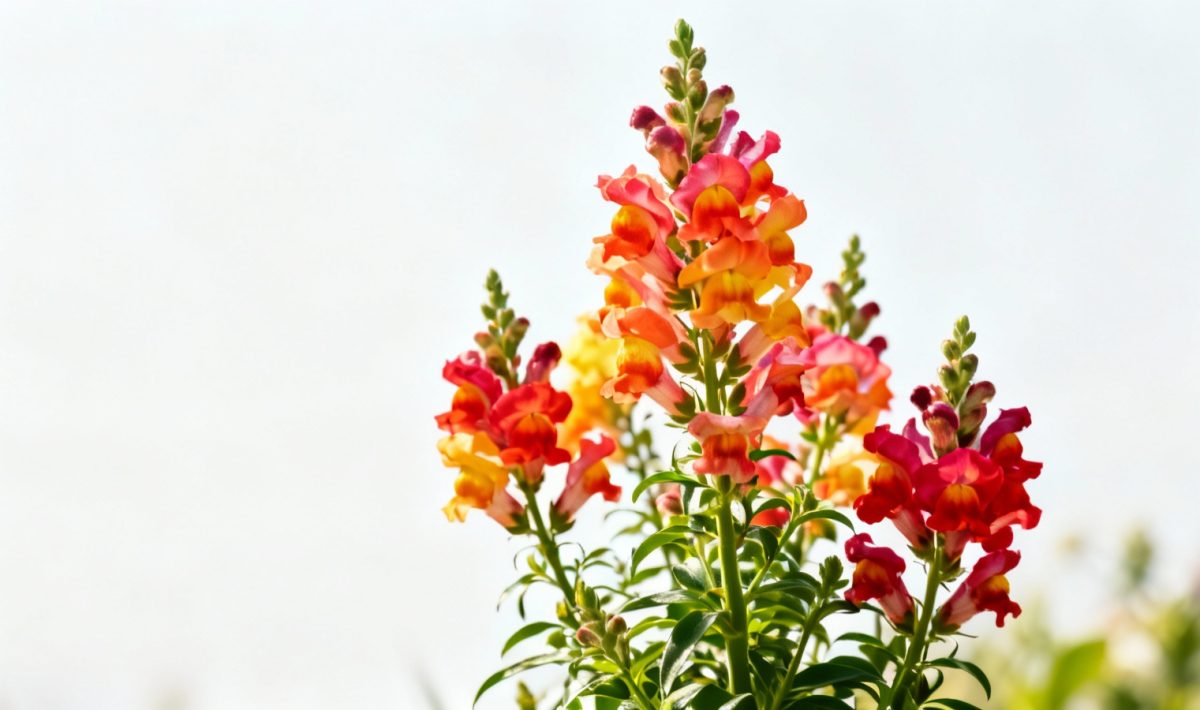
How much sunlight does garden snapdragon need for vibrant flowers
Today I’m excited to share everything you need to know about growing gorgeous snapdragons in your garden! These cheerful flowers are absolutely wonderful additions to any outdoor space, and getting their sunlight requirements right is crucial for spectacular blooms. Garden snapdragons thrive when they receive the proper amount of light, and understanding their needs will help you create a stunning floral display.
Garden snapdragons need at least 6 hours of direct sunlight daily to flourish and produce their best flowers. These annual plants perform exceptionally well in full sun conditions, though they can tolerate partial shade in hotter climates. The key is finding that sweet spot where your snapdragons get plenty of morning light while being protected from harsh afternoon heat.
When you provide adequate sunlight, your snapdragon seeds will develop into robust plants with strong stems and vibrant blooms. The flower production increases dramatically with proper light exposure, giving you those tall, colorful spikes that make snapdragons so popular among gardeners. Just like understanding sunlight requirements for tutsan, getting the light balance right is essential for optimal growth.
Optimal growing conditions for snapdragons
The best location for your snapdragon garden mix is a spot that receives morning sun and some afternoon protection. This combination ensures your plants get the energy they need for growth while avoiding stress from intense heat. Well-draining soil is equally important, as snapdragons don’t appreciate waterlogged conditions.
Temperature also plays a crucial role in how snapdragons respond to sunlight. These flowers prefer cooler weather and can actually struggle in extreme heat, even with adequate light. Spring and fall seasons are ideal for snapdragon cultivation, when the combination of good sunlight and moderate temperatures creates perfect growing conditions.
Varieties and their light preferences
Different snapdragon varieties can have slightly varying light requirements, though most follow the general rule of needing full to partial sun. Tall varieties often need more sunlight to support their impressive height, while dwarf types can tolerate a bit more shade. When selecting seeds for your garden, consider how much sunlight your planting area receives throughout the day.
Many gardeners highly recommend choosing a snapdragon mix that includes various heights and colors for the most dynamic display. These seed mixes are designed to provide continuous blooms throughout the growing season when planted in appropriate light conditions. Similar to how garden lupine sunlight needs vary by type, different snapdragon cultivars may have unique preferences.
Planting strategies for maximum sun exposure
Strategic placement in your garden can make a significant difference in how much sunlight your snapdragons receive. Plant them in the southern or western areas of your garden for maximum light exposure. Avoid placing them near large trees or structures that might cast shadows during peak sunlight hours.
If you’re working with limited sunny spots, consider using containers or raised beds that you can position optimally. This flexibility allows you to move your snapdragons if needed and ensures they get the best possible light exposure. For those dealing with partially shaded gardens, understanding common bugle sunlight exposure requirements can help you plan complementary plantings.
Maximizing bloom production with proper lighting
To get the most flowers from your snapdragon plants, consistency in light exposure is key. They perform best when they receive steady sunlight throughout their growing season rather than fluctuating conditions. This consistent lighting helps maintain strong stem development and encourages continuous flowering.
Deadheading spent blooms regularly will encourage your plants to produce more flowers, especially when combined with adequate sunlight. The energy from photosynthesis fuels this continuous bloom production, making proper light exposure even more critical for long-lasting displays.
Common challenges and solutions
One challenge many gardeners face is balancing sunlight needs with protection from extreme heat. In very hot climates, afternoon shade can actually benefit snapdragons while they still receive their essential morning sun. This approach prevents stress and extends the blooming period.
Another consideration is seasonal light changes. As trees leaf out in spring, previously sunny spots may become shaded. Plan your snapdragon placement with these seasonal changes in mind, just as you would when considering wild carrot sunlight requirements for a diverse garden ecosystem.
Timing and seasonal considerations
The timing of your snapdragon planting affects how well they utilize available sunlight. Spring planting allows them to establish before summer heat, while fall planting in milder climates can provide beautiful winter blooms. Each season offers different light quality and intensity that impacts plant development.
Fast delivery of seeds is important for timing your plantings correctly. Many suppliers offer quick shipping options so you can plant at the optimal time for your local climate. Getting your seeds in the ground at the right moment ensures your plants can take full advantage of favorable light conditions throughout their growing season.
Companion planting and garden design
When designing your garden layout, consider how companion plants might affect sunlight availability for your snapdragons. Lower-growing plants make excellent companions as they won’t compete for light. This thoughtful planning creates beautiful combinations while ensuring each plant gets its required sun exposure.
Understanding the light needs of various garden plants helps create harmonious plantings. For instance, learning about sunlight needs for wild privet can inform decisions about backdrop plantings that won’t overshadow your snapdragons.
Care tips for healthy growth
Regular watering is essential, especially in full sun conditions where snapdragons may dry out more quickly. Water deeply but allow soil to dry slightly between waterings. This practice encourages deep root development that helps plants better utilize available sunlight for growth.
Fertilizing your snapdragons with a balanced fertilizer supports their ability to convert sunlight into energy for flower production. Well-nourished plants are more efficient at photosynthesis and generally produce more blooms when given adequate light exposure.
With proper sunlight management, your garden snapdragons will reward you with months of colorful blooms. These versatile flowers bring joy to any garden when their basic light requirements are met, creating stunning displays that enhance your outdoor space throughout the growing season.
Allan is a lifelong gardening enthusiast who still gets excited when the first seedlings pop up in spring. With a deep love for nature and a hands-in-the-soil approach, he shares practical tips, plant discoveries, and clever tricks picked up over years of digging, planting, and observing. Whether you’re a new gardener or have a shed full of tools, Allan writes like a neighbor who’s always happy to swap cuttings and stories over the fence.
You can find more about Allan’s work on Malt or connect with him on LinkedIn.