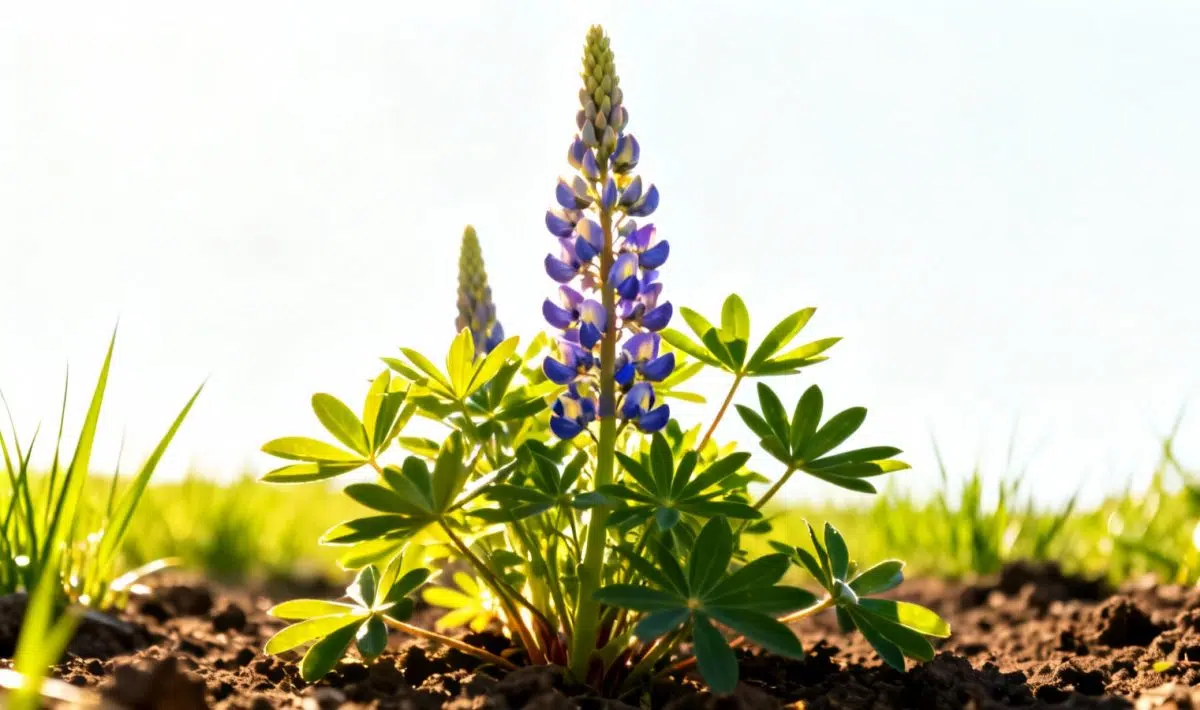
Garden lupines, particularly the popular Russell varieties, are stunning perennial flowers that can transform any garden space with their towering spikes of colorful blooms. However, many gardeners wonder exactly how much sunlight does garden lupine need to thrive and produce those magnificent flower displays we all admire.
The answer is quite straightforward: garden lupines require a minimum of 6 hours of direct sunlight daily for optimal growth and flowering. These hardy plants are classified as full-sun perennials, which means they perform best when grown in locations that receive abundant natural light throughout the day.
Understanding the specific light needs of your lupins is crucial for achieving the healthy, vigorous plants that will reward you with spectacular blooms year after year. Unlike shade-tolerant plants that can manage with minimal light exposure, lupines have evolved to maximize photosynthesis under bright conditions.
The science behind lupine sunlight needs
Scientific research reveals that plants like lupins require at least 2000 lux for proper development, significantly more than shade plants that can survive on just 200-1000 lux. When garden lupines receive full sun exposure, they can access up to 100,000-120,000 lux, which dramatically enhances their photosynthetic efficiency.
Recent studies from leading universities have shown that plants utilize red far-red light wavelengths particularly effectively, increasing photosynthetic yield by over 31% in optimal conditions. This scientific understanding helps explain why lupines grown in full sun consistently outperform those planted in shadier locations.
The photochrome balance achieved under proper sun exposure creates ideal conditions for lupine growth, with an optimal red-to-far-red ratio that triggers robust development. Much like how sunlight requirements for garden tulips vary by species, lupines have specific needs that must be met for success.
Choosing the right lupine varieties for your garden
Russell lupins are among the most popular types for home gardens, offering a wide range of colors from deep purples and blues to bright yellows and whites. These hardy perennials are well-suited to most garden conditions when their sunlight needs are properly met.
When selecting lupine seeds or plants, quality matters significantly. Look for reputable suppliers who can provide detailed descriptions of their varieties, including specific care requirements and growth characteristics. Many gardeners find that investing in high-quality seeds from trusted sources leads to much better results.
Different lupine types may have slightly varying light preferences, but most garden varieties follow the same basic rule: they need substantial sun exposure to flourish. Some dwarf varieties might tolerate partial shade better than their tall cousins, but even these perform best with adequate sunlight.
Optimal garden placement for lupines
Selecting the right location in your garden is essential for lupine success. Look for areas that receive morning sun and continue getting light throughout most of the day. South-facing garden beds typically provide ideal conditions, though east or west-facing locations can work well too.
Avoid planting lupines in areas where they’ll be shaded by large trees, buildings, or other structures for extended periods. Even partial shade can significantly impact their flowering potential and overall health. Consider how shadows move across your garden throughout the day when making placement decisions.
Good air circulation is also important when choosing your lupine location. Areas with gentle air movement help prevent fungal issues while still providing the bright conditions these plants crave. Similar to optimal light for garden phlox, proper placement sets the foundation for success.
Soil preparation and growing conditions
While sunlight is crucial, lupines also need well-draining soil to prevent root problems. These plants prefer slightly acidic to neutral soil conditions, with good organic content that retains some moisture without becoming waterlogged.
Prepare your planting area by working compost or well-aged manure into the soil. This improves both drainage and fertility, creating ideal growing conditions for your lupines. The combination of proper soil preparation and adequate sunlight exposure gives these plants everything they need to establish strong root systems.
Lupines are actually quite easy to grow once their basic needs are met. They’re relatively low-maintenance perennials that reward gardeners with years of beautiful blooms when properly established. Much like light needs of common foxglove, meeting their fundamental requirements ensures long-term success.
Signs of inadequate sunlight in lupines
When lupines don’t receive enough sunlight, they exhibit several telltale signs that alert observant gardeners to the problem. The most obvious indicator is poor flowering – plants may produce few or no flower spikes, or the blooms may be smaller and less vibrant than expected.
Weak, spindly growth is another common symptom of insufficient light exposure. Lupines grown in too much shade often develop elongated stems as they stretch toward available light sources. This leggy growth makes plants unstable and more susceptible to wind damage.
Pale or yellowish foliage can also indicate that your lupines aren’t getting enough sun. Healthy lupine leaves should be a rich, deep green color. When light levels are too low, chlorophyll production decreases, leading to the characteristic pale appearance that signals stress.
Maximizing lupine health and flowering
Beyond providing adequate sunlight, several care practices help ensure your lupines reach their full potential. Regular deadheading of spent flower spikes encourages additional blooms and prevents unwanted self-seeding in areas where you don’t want new plants.
Watering practices matter significantly, especially during the first growing season when plants are establishing their root systems. Provide consistent moisture without overwatering, as lupines can develop root rot in constantly wet conditions.
Consider companion planting with other sun-loving perennials that share similar cultural needs. Plants like sun exposure for common mugwort can create attractive garden combinations while ensuring all plants receive appropriate light levels.
Common lupine growing mistakes to avoid
One of the most frequent errors gardeners make is underestimating lupine sunlight requirements. Planting these perennials in partial shade locations often leads to disappointment when flowering fails to meet expectations.
Another common mistake involves soil preparation – or lack thereof. Lupines planted in heavy clay or poorly draining soil struggle regardless of sun exposure. Taking time to improve soil conditions before planting prevents many future problems.
Overcrowding can also reduce the effectiveness of available sunlight. Give lupines adequate spacing so each plant can access maximum light exposure. Proper spacing also improves air circulation, reducing disease pressure that can weaken plants over time.
Seasonal care considerations
Spring is typically the best time for planting lupine seeds or transplants, allowing plants to establish before summer heat arrives. Early plantings take advantage of cool, moist spring conditions while ensuring adequate time for root development.
Summer care focuses on maintaining consistent moisture while ensuring plants continue receiving their required sunlight hours. During extremely hot periods, some afternoon shade can be beneficial, but morning and midday sun remain essential.
Fall preparation involves cutting back spent foliage and applying a light mulch layer around plants. This protects crowns during winter while maintaining the sun exposure these perennials will need when growth resumes in spring.
Frequently asked questions about lupine sunlight needs
Can lupines tolerate any shade at all?
While lupines strongly prefer full sun conditions, they can tolerate very light, dappled shade for short periods. However, any significant reduction in sunlight typically results in reduced flowering and weaker plant growth. For best results, aim for locations receiving at least 6-8 hours of direct sun daily.
What happens if lupines get too much sun?
Lupines are quite tolerant of intense sunlight and rarely suffer from overexposure. In extremely hot climates, some afternoon shade can help prevent stress, but these plants generally handle full sun conditions very well. Adequate soil moisture becomes more important in high-light situations.
How do I know if my garden location has enough light for lupines?
Monitor your chosen planting area throughout a full day, noting when direct sunlight reaches the spot and when shadows appear. Use a smartphone app or simple observation to track light patterns. Areas receiving 6+ hours of direct sun are suitable for lupine cultivation. Just as cucumber sunlight needs for growth require careful assessment, lupines benefit from proper light evaluation.
Understanding these fundamental requirements helps gardeners create the optimal conditions for lupine success. When provided with adequate sunlight, proper soil preparation, and basic care, these magnificent perennials reward gardeners with years of spectacular flowering displays that enhance any garden space. Much like understanding sycamore tree light requirements for larger garden elements, getting lupine light needs right forms the foundation for gardening success.
Allan is a lifelong gardening enthusiast who still gets excited when the first seedlings pop up in spring. With a deep love for nature and a hands-in-the-soil approach, he shares practical tips, plant discoveries, and clever tricks picked up over years of digging, planting, and observing. Whether you’re a new gardener or have a shed full of tools, Allan writes like a neighbor who’s always happy to swap cuttings and stories over the fence.
You can find more about Allan’s work on Malt or connect with him on LinkedIn.