Understanding Common Foxglove’s Sunlight Requirements
When considering how much sunlight does common foxglove need, the answer might surprise many gardeners. This stunning biennial flower thrives best in partial shade rather than full sun exposure. Common foxglove (Digitalis purpurea) naturally grows in woodland environments, which tells us everything we need to know about its preferred lighting conditions.
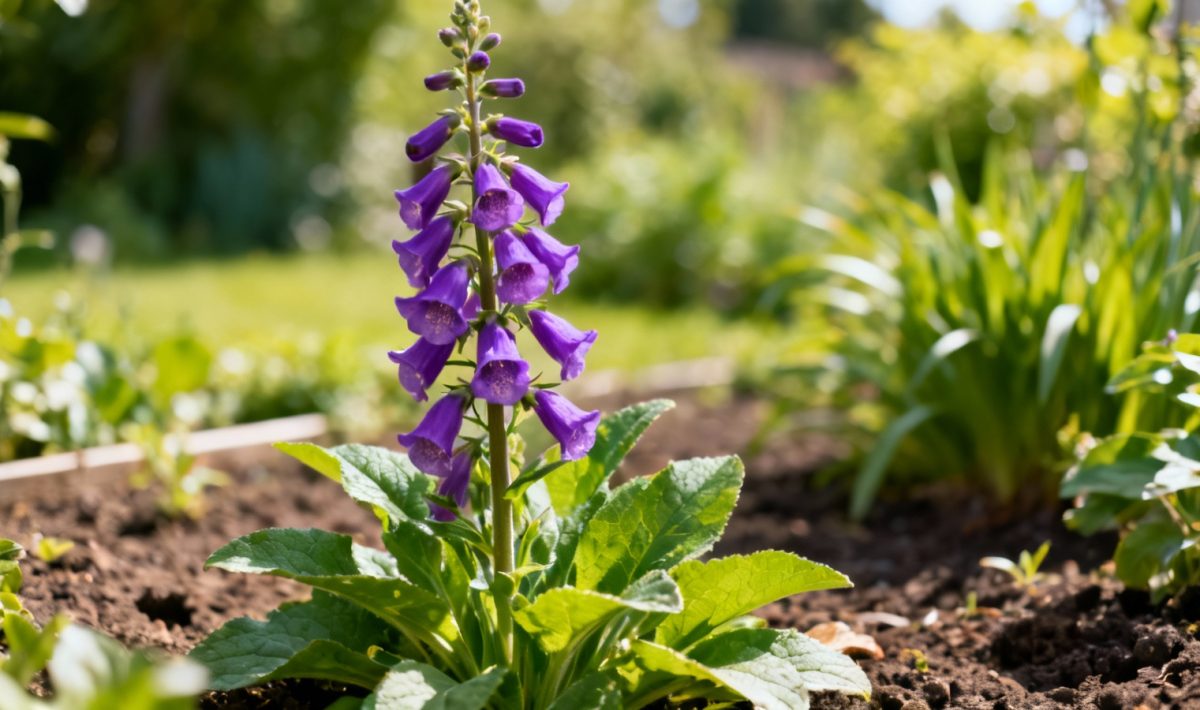
The name “common foxglove” refers to this garden favorite that produces magnificent spikes of tubular flowers in various colors. Each flowering stem can reach impressive heights, making it a spectacular addition to any garden space when given proper care and attention.
Optimal Light Conditions for Foxglove Success
Common foxglove performs best with morning sun and afternoon shade, typically requiring 4-6 hours of dappled sunlight daily. This partial shade environment protects the plant from intense heat while providing enough light for healthy growth and abundant flowering. In cooler climates, foxgloves can tolerate more direct sunlight, but hot summer conditions require protection.
The flower spikes develop most successfully when plants receive consistent, gentle light rather than harsh, direct exposure. Similar to how gardeners consider sunlight requirements for evening primrose, understanding your specific garden’s light patterns helps ensure optimal placement.
Effects of Different Light Exposures
Too much direct sunlight can stress common foxglove, causing leaves to wilt and flowers to fade prematurely. The plant may struggle to maintain adequate moisture levels in full sun, leading to stunted growth and reduced flowering time. Conversely, deep shade limits flower production and can result in weak, spindly growth that fails to reach the plant’s full potential.
Proper lighting balance encourages strong stem development and vibrant flower colors. Each bloom benefits from the ideal light-to-shade ratio that mimics the plant’s natural woodland habitat. Just as other garden plants have specific needs, understanding sunlight needs of common hazel can help you create complementary plantings.
Best Garden Placement Strategies
Choose locations that receive morning sun followed by afternoon protection from nearby trees, shrubs, or structures. East-facing garden beds often provide ideal conditions, offering gentle morning light while avoiding harsh afternoon heat. This placement strategy ensures your foxgloves receive adequate illumination for photosynthesis without experiencing heat stress.
Consider companion plantings that naturally create filtered light conditions. Taller perennials or deciduous trees can provide the dappled shade that common foxglove craves while maintaining visual interest throughout the growing season.
Seasonal Light Considerations
During spring establishment, young foxglove plants benefit from slightly more direct sunlight to encourage strong root development. As temperatures rise in summer, increased shade becomes crucial for plant survival and continued flowering. This seasonal adjustment mimics natural woodland conditions where leaf canopy changes throughout the year.
Many gardeners find success by monitoring their plants’ responses to changing light conditions. Healthy foxgloves display deep green foliage and sturdy flower spikes, while stressed plants show yellowing leaves or drooping flowers that indicate lighting adjustments are needed.
Common Light-Related Problems and Solutions
Excessive sunlight often manifests as brown leaf edges, premature flower drop, or reduced flowering time. Moving plants to shadier locations or adding temporary shade cloth can rescue stressed specimens. Remember that established plants may need time to adjust to new lighting conditions, so patience is essential.
Insufficient light typically results in elongated, weak stems that may require staking for support. Gradual increases in light exposure help strengthen plants without shocking their systems. Understanding these principles applies to many garden plants, including optimal light for common mallow, which shares similar partial shade preferences.
Creating Ideal Growing Conditions
Beyond sunlight requirements, common foxglove thrives in moist, well-draining soil rich in organic matter. The combination of proper lighting and soil conditions creates an environment where these magnificent flowers can reach their full potential. Consistent moisture helps plants cope with varying light conditions throughout the day.
Mulching around foxglove plants helps maintain soil moisture while providing additional root protection. This practice becomes especially important in locations receiving more direct sunlight than ideal. Different plant species have varying requirements, much like light requirements for common beans in vegetable gardens.
Maximizing Foxglove Success in Your Garden
Success with common foxglove depends on understanding and working with the plant’s natural preferences rather than fighting against them. Observe how light patterns change throughout your garden during different seasons, and plan placement accordingly. This attention to detail results in healthier plants and more spectacular flower displays.
Regular monitoring helps identify when plants need adjustment or additional protection. Healthy foxgloves reward gardeners with multiple years of stunning blooms when their basic needs are met. Consider the diverse sunlight requirements across your garden, from shade-loving foxgloves to plants like coconut palm sunlight needs for those in suitable climates.
By providing the right balance of light and shade, your common foxglove will flourish, creating those magical garden moments that make all the planning and care worthwhile. Each flowering spike becomes a testament to understanding and working with nature’s preferences rather than against them.
Allan is a lifelong gardening enthusiast who still gets excited when the first seedlings pop up in spring. With a deep love for nature and a hands-in-the-soil approach, he shares practical tips, plant discoveries, and clever tricks picked up over years of digging, planting, and observing. Whether you’re a new gardener or have a shed full of tools, Allan writes like a neighbor who’s always happy to swap cuttings and stories over the fence.
You can find more about Allan’s work on Malt or connect with him on LinkedIn.