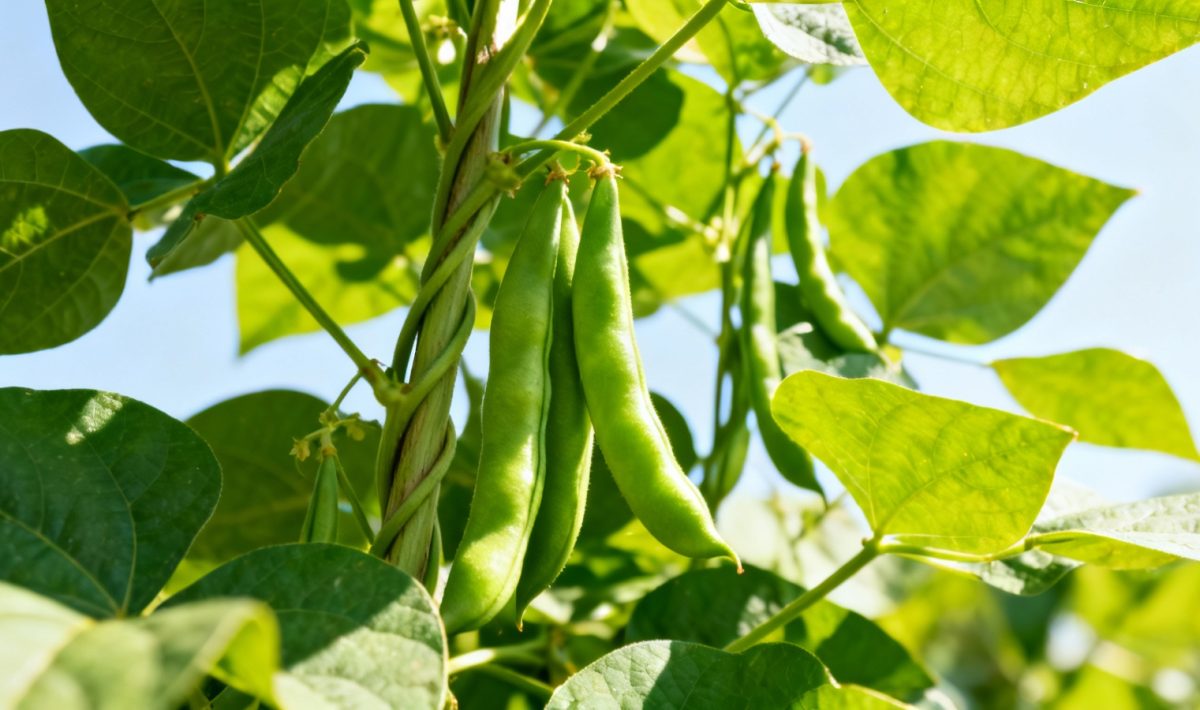
How much sunlight does common bean need for optimal growth
Growing common beans successfully starts with understanding their fundamental sunlight needs. These versatile vegetables thrive when given proper light exposure, making the difference between a disappointing harvest and abundant pods bursting with fresh beans. Whether you’re planting bush varieties or climbing types, knowing exactly how much sunlight your bean plants require will set you up for gardening success.
Common beans absolutely need full sun exposure to reach their potential. These plants require at least 6 to 8 hours of direct sunlight daily for optimal photosynthesis and fruit development. Without adequate light, your bean plants will struggle with weak stems, poor flowering, and reduced pod production.
The photosynthesis process in bean plants converts sunlight into energy that fuels growth, flowering, and pod formation. When beans receive insufficient light, they often become leggy and pale, stretching desperately toward available light sources. This natural response wastes energy that should go toward producing the green pods you’re hoping to harvest.
Temperature regulation also depends heavily on proper sun exposure. Beans grow best when daytime temperatures range between 15 and 27°C, with sunlight helping maintain these ideal conditions naturally. Much like how sunlight requirements for common yew vary for different garden settings, bean varieties have specific needs that must be met for success.
Different bean varieties and their light preferences
Bush beans and pole beans share similar sunlight requirements, but their growth habits influence how they capture and use available light. Bush varieties typically stay compact and benefit from consistent, even light distribution across their canopy. These plants work well in smaller spaces where full sun exposure can be easily maintained.
Climbing bean varieties need strong sunlight to fuel their vigorous vertical growth. These plants can reach impressive heights when given proper support structures and adequate light exposure. The extended growing season for pole beans means they require consistent sunlight over a longer period compared to their bush counterparts.
Specialty varieties like French beans or runner beans maintain the same basic light requirements but may show different responses to seasonal changes. As with ideal sunlight for common zinnia, understanding your specific variety helps optimize growing conditions for the best results.
Creating optimal growing conditions for your bean crop
Selecting the right planting location makes all the difference for your bean harvest. Choose a spot that receives morning sun and continues getting direct light throughout most of the day. Avoid areas shaded by buildings, fences, or large trees that block crucial sunlight hours.
Soil preparation works hand-in-hand with proper light exposure. Well-draining soil prevents waterlogged roots while allowing plants to make full use of available sunlight. Poor drainage can stress plants even when light conditions are perfect, reducing their ability to photosynthesize efficiently.
When planning your garden layout, consider how neighboring plants might affect light availability as the season progresses. Taller crops can cast shadows that reduce sunlight for your beans, so strategic spacing becomes essential for maintaining optimal growing conditions.
Planting timing for maximum sun exposure
The best time for planting bean seeds depends on your local climate and the risk of frost. Beans are warm-season vegetables that need both adequate sunlight and consistent temperatures to thrive. Wait until soil temperatures reach at least 15°C before sowing your seeds directly in the garden.
Spring planting typically offers the ideal combination of increasing daylight hours and warming temperatures. This timing allows your bean plants to establish strong root systems while days are getting longer, providing more sunlight as they mature. The natural progression of seasons works in your favor when timing is right.
For extended harvests, consider successive planting every two to three weeks throughout the growing season. This approach ensures continuous production while taking advantage of peak sunlight months. Similar to how sunlight for St. John’s wort growth affects flowering patterns, bean plants respond dramatically to seasonal light changes.
Recognizing and solving light-related problems
Plants receiving insufficient sunlight show distinct warning signs that experienced gardeners learn to identify quickly. Pale, yellowing leaves often indicate inadequate light exposure, while weak, spindly stems suggest plants are stretching toward available light sources. Poor flowering or delayed pod formation frequently results from suboptimal light conditions.
When you notice these symptoms, immediate action can often save your crop. Pruning nearby plants that cast unwanted shade helps increase available light. Relocating container-grown beans to sunnier spots provides another solution when permanent garden beds lack adequate exposure.
Reflective mulches or white-painted surfaces near your bean plants can help maximize available light by bouncing additional rays toward the foliage. This technique proves especially valuable in partially shaded areas where every bit of extra light makes a difference. Understanding these principles applies to other plants as well, much like sunlight needs of Virginia creeper in urban garden settings.
Advanced techniques for optimizing sunlight exposure
Row orientation plays a crucial role in maximizing sunlight capture throughout the growing season. Plant your bean rows running north to south when possible, allowing both sides of each row to receive equal light exposure as the sun travels across the sky. This simple adjustment can significantly improve overall plant health and productivity.
Trellising systems for climbing beans should be designed with light penetration in mind. Open-weave materials like bamboo poles or wire mesh allow sunlight to filter through to lower leaves, preventing the shading that solid surfaces would create. Proper support structures enhance both light exposure and air circulation.
Companion planting can either help or hinder your beans’ access to sunlight. Low-growing herbs like basil or marigolds provide beneficial partnerships without blocking light, while tall companions like corn can create unwanted shade. Plan your garden layout carefully to avoid light competition between different crops.
Seasonal considerations and harvest optimization
Understanding how seasonal changes affect sunlight availability helps you plan for consistent bean production. Early summer provides the longest days and most intense sunlight, making this period ideal for peak growth and flowering. As autumn approaches, shorter days can slow pod development even when temperatures remain favorable.
Heat stress can become an issue when intense summer sunlight combines with high temperatures above 35°C. Providing afternoon shade during extreme heat waves protects plants while maintaining essential morning and midday light exposure. This balance requires careful observation and timely intervention.
Harvest timing affects how well plants continue producing throughout the season. Regular picking encourages continued flowering and pod formation, making efficient use of available sunlight for ongoing production. Just as sunlight exposure for Arabian coffee influences bean quality, consistent harvesting maintains plant vigor.
Troubleshooting common sunlight-related issues
Gardeners often struggle with finding the perfect balance between adequate sunlight and protection from extreme conditions. While beans need full sun, they can suffer when intense afternoon heat combines with strong light. Monitoring your plants daily helps you recognize when intervention becomes necessary.
Seasonal variations in sunlight patterns can catch new gardeners off guard. Trees that provided welcome shade during hot summers might block too much light as they leaf out in spring. Planning your garden layout with year-round light patterns in mind prevents these seasonal surprises.
Container gardening offers flexibility for adjusting light exposure throughout the season. Moving pots to follow optimal sun patterns or escape temporary shading gives you control that in-ground plantings lack. This adaptability proves especially valuable for gardeners working with challenging light conditions, similar to how sunlight for Guernsey fleabane requirements can be managed in various garden situations.
Success with common beans comes down to respecting their fundamental need for abundant sunlight while providing the supporting conditions that help them thrive. When you combine proper light exposure with good soil preparation, appropriate timing, and attentive care, your bean plants will reward you with healthy growth and bountiful harvests that make all your gardening efforts worthwhile.
Allan is a lifelong gardening enthusiast who still gets excited when the first seedlings pop up in spring. With a deep love for nature and a hands-in-the-soil approach, he shares practical tips, plant discoveries, and clever tricks picked up over years of digging, planting, and observing. Whether you’re a new gardener or have a shed full of tools, Allan writes like a neighbor who’s always happy to swap cuttings and stories over the fence.
You can find more about Allan’s work on Malt or connect with him on LinkedIn.