
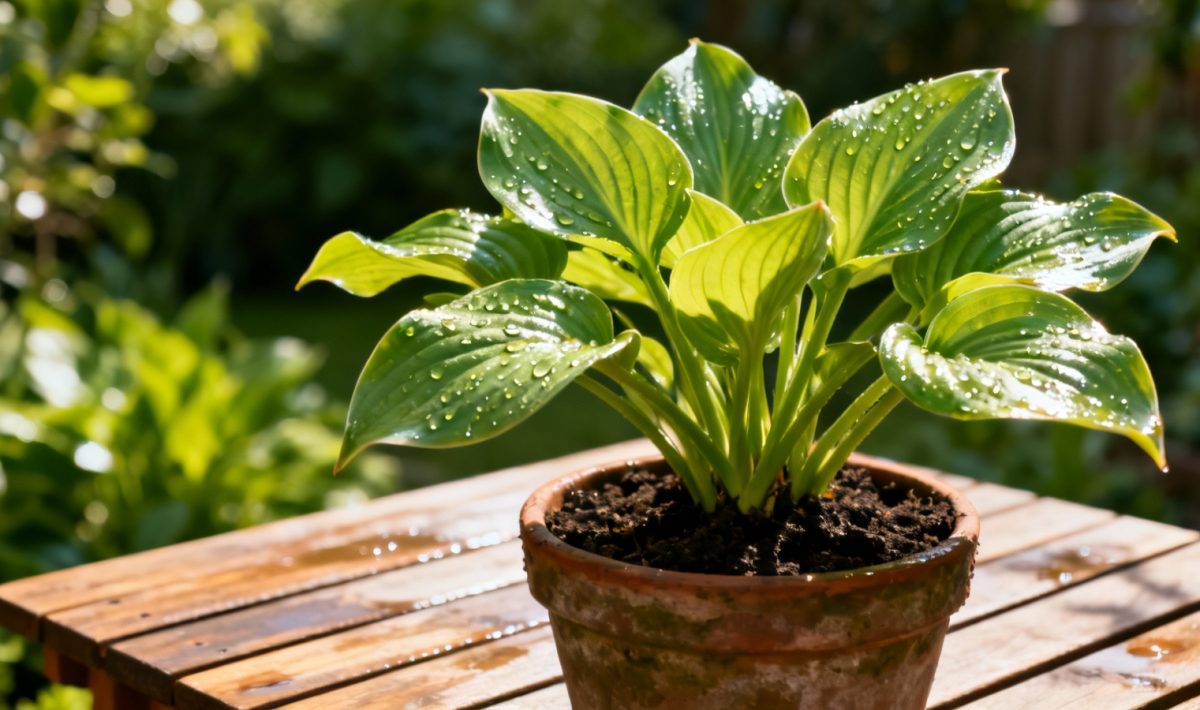
Understanding how much sunlight does plantain lily need is crucial for successful hosta cultivation. These beloved shade perennials have specific light requirements that vary by variety, making proper placement essential for healthy growth and vibrant feuillage.
Understanding plantain lily light requirements
Plantain lily, commonly known as hosta, thrives in partial shade conditions rather than full sun exposure. Most varieties prefer 2 to 6 hours of morning sunlight followed by afternoon shade. This balance protects the delicate feuilles from scorching while providing enough energy for photosynthesis and flower production.
The blue-leafed hosta varieties require deeper shade with less than 2 hours of direct sunlight daily. These plants develop their characteristic color best in filtered light conditions. Conversely, yellow and variegated types can tolerate slightly more sun, especially in cooler climates.
For gardeners considering other shade plants, exploring sunlight requirements for peace lilies can provide valuable insights into similar growing conditions.
Optimal growing zones and conditions
Hosta plants flourish in hardiness zones 3-9, adapting well to various climatic conditions. The key lies in matching sunlight exposure to your specific zone. Northern gardens can provide more sun exposure, while southern regions require more protective shade.
Fertile, well-draining soil remains essential regardless of light conditions. The soil should retain moisture without becoming waterlogged, creating ideal conditions for root development and nutrient uptake.
Soil preparation and plantation success
Proper sol preparation determines long-term hosta success. Begin by enriching your garden bed with organic matter, ensuring the soil drains well while maintaining consistent moisture levels. Test your soil pH, aiming for slightly acidic to neutral conditions between 6.0-7.5.
When planting hosta seeds or transplants, space them according to their mature size. Larger varieties need 3-4 feet between plants, while smaller types can be planted 18-24 inches apart. This spacing prevents overcrowding and ensures adequate air circulation.
For comparison with sun-loving plants, consider light requirements for Canna lilies which have completely different needs from shade-loving hostas.
Watering and fertilization
Consistent moisture proves critical for hosta health, especially during hot summer months. Water deeply but infrequently, allowing soil to dry slightly between waterings. Morning watering helps prevent fungal issues and ensures plants have adequate moisture throughout the day.
Apply balanced fertilizer in early spring as new growth emerges. Organic compost works excellently, providing slow-release nutrients throughout the growing season. Avoid over-fertilizing, which can lead to excessive foliage growth at the expense of flower production.
Maximizing flower production and plant health
Proper light management directly impacts hosta blooming. While grown primarily for foliage, these plantes produce beautiful fragrant fleurs in summer. White, purple, and lavender blooms appear on tall stalks above the leaf mound, adding vertical interest to shaded areas.
The entretien routine should include removing spent flower stalks to direct energy back into foliage development. However, some gardeners prefer leaving seed pods for winter interest or collecting graines for propagation.
Those interested in varied garden textures might explore sunlight needs for striped barbados lilies for contrasting growing requirements.
Common growing challenges
Excessive sun exposure causes the most common hosta problems. Symptoms include yellowing feuilles, brown leaf edges, and stunted growth. If your plants show these signs, consider relocating them to a shadier location or providing afternoon protection.
Slug and snail damage also affects hosta health. These pests prefer the moist, shaded conditions that hostas love. Use organic pest control methods like diatomaceous earth or beer traps to manage these garden visitors.
Variety selection for different light conditions
Choosing the right hosta variety for your light conditions ensures success. Blue varieties like ‘Blue Angel’ and ‘Halcyon’ require deep shade, while golden types such as ‘Sum and Substance’ tolerate more sun exposure.
For bordures and mass plantings, consider mixing varieties with different leaf sizes and colors. This creates visual interest while ensuring all plants receive appropriate light levels. Smaller varieties work well as edging plants, while large specimens serve as dramatic focal points.
Gardeners with climbing spaces might also consider Virginia creeper sunlight needs for vertical garden elements that complement hosta plantings.
Seasonal care and maintenance
Spring marks the beginning of active hosta care. As soil temperatures warm, new shoots emerge from the crown. This is the ideal time for division if plants have outgrown their space. Carefully dig and separate crowns, ensuring each section has healthy roots and growing points.
Summer care focuses on consistent watering and monitoring for pest issues. Mulching around plants helps retain moisture and suppress weeds. Organic mulches like shredded leaves or bark chips work best, breaking down slowly to improve soil structure.
Long-term garden planning with hostas
Hostas make excellent long-term garden investments, with many varieties improving with age. Plan your shade garden considering mature sizes, as some types can spread 4-6 feet across. These vivace plants return reliably each spring, making them valuable for low-maintenance landscaping.
Consider companion planting with other shade-loving perennials like astilbe, heuchera, and ferns. This creates layered interest while ensuring all plants receive appropriate light levels throughout the growing season.
The prix for quality hosta plants varies by variety and size, but the investment pays dividends through years of reliable performance. Starting from graines offers an economical approach, though patience is required as plants take 2-3 years to reach maturity.
Conclusion
Understanding how much sunlight plantain lily needs ensures gardening success with these versatile shade perennials. Most varieties thrive in partial shade with morning sun and afternoon protection. Proper sol preparation, consistent moisture, and appropriate variety selection create the foundation for healthy, beautiful hosta gardens that improve with each passing year.

Allan is a lifelong gardening enthusiast who still gets excited when the first seedlings pop up in spring. With a deep love for nature and a hands-in-the-soil approach, he shares practical tips, plant discoveries, and clever tricks picked up over years of digging, planting, and observing. Whether you’re a new gardener or have a shed full of tools, Allan writes like a neighbor who’s always happy to swap cuttings and stories over the fence.
You can find more about Allan’s work on Malt or connect with him on LinkedIn.


