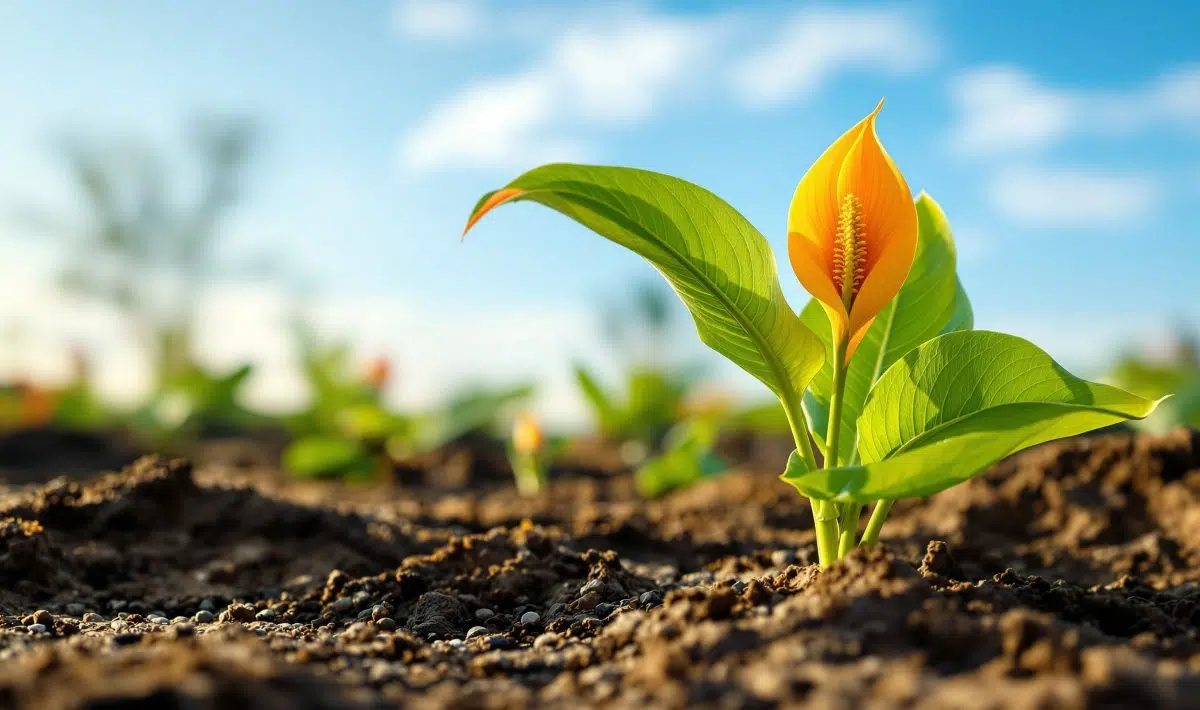
Canna lilies are magnificent garden performers that transform any outdoor space with their bold colors and tropical charm. However, understanding how much sunlight does Canna lily need is crucial for achieving those stunning fleurs you’ve been dreaming about. These vibrant plants thrive when given the right amount of light, typically requiring between 6 to 8 hours of direct sunlight daily for optimal growth and flowering performance.
The seeds of Canna lilies contain all the genetic information needed to produce spectacular blooms, but without adequate light exposure, even the highest quality graines may struggle to reach their full potential. Most garden experts agree that full sun conditions provide the best environment for these plants to flourish and display their remarkable color variations.
Optimal sun exposure for Canna lily varieties
Different Canna varieties have slightly varying light requirements, though most share similar preferences. Traditional red, orange, and yellow flowering types generally need the most intense sunlight to maintain their vibrant hues. These plants can grow exceptionally tall, sometimes reaching heights of 6 feet or more, which means they naturally seek maximum light exposure in garden settings.
Here are the key sunlight requirements for different situations:
Full sun exposure (6-8 hours): Ideal for maximum flowering and color intensity
Partial sun (4-6 hours): Acceptable with some reduction in bloom quantity
Light shade (3-4 hours): Minimal flowering but plants can survive
When planning your garden layout, consider that plants with similar light needs often complement each other well. For example, understanding optimal sunlight for strawberry plants can help you create companion plantings that thrive together.
Maximizing light exposure in your garden
Strategic placement makes a significant difference in how much beneficial light your Canna lilies receive throughout the day. Position these plants on the south or west-facing sides of your garden where they can capture the most intense afternoon sun. Avoid areas shadowed by buildings, fences, or large trees that might block essential light during peak hours.
The germination process also benefits from consistent warmth and light. When starting from graines, place seed trays in the brightest available location, whether that’s a sunny windowsill or a well-lit greenhouse. This early attention to light requirements sets the foundation for healthy development throughout the growing season.
You can enhance light availability by using reflective materials like white stones or light-colored mulch around the base of your plants. These materials bounce additional light onto the lower leaves, improving overall photosynthesis efficiency. Just as sweetgum tree sunlight preferences vary based on location, your Canna lilies will adapt better when you create optimal conditions from the start.
Container growing considerations
Growing Canna lilies in containers offers excellent flexibility for light management. You can move pots throughout the season to follow the sun’s path or relocate them during extreme weather conditions. Large containers allow these plants to develop their characteristic tall stature while remaining mobile.
Choose containers that are at least 18 inches wide and deep to accommodate the extensive root system these plants develop. Dark-colored pots can help warm the soil faster in spring, encouraging earlier growth when combined with adequate sunlight.
Water and soil considerations for sun-loving Cannas
Plants receiving full sun exposure typically need more frequent watering than those in shadier locations. Canna lilies are naturally moisture-loving plants that appreciate consistent soil hydration, especially during hot summer months. The combination of intense sunlight and adequate water creates the perfect growing environment for spectacular blooms.
Well-draining soil is essential even though these plants like moisture. Heavy clay soils can become waterlogged, while sandy soils may dry out too quickly under full sun conditions. Adding organic matter improves both drainage and water retention, creating the ideal balance these plants need.
Mulching around the base helps retain soil moisture and regulate temperature, which becomes especially important for plants receiving maximum sun exposure. Organic mulches like shredded leaves or bark chips work particularly well for this purpose.
Troubleshooting common light-related issues
If your Canna lilies aren’t performing as expected, insufficient light is often the culprit. Plants receiving inadequate sunlight typically exhibit stretched growth, fewer flowers, and less vibrant color development. The leaves may appear pale green rather than the rich, deep green characteristic of healthy specimens.
Conversely, excessive heat combined with intense sunlight can occasionally stress plants in extremely hot climates. In such conditions, providing afternoon shade during the hottest part of the day (typically 2-4 PM) can help prevent leaf scorch while still maintaining adequate overall light exposure.
Understanding light requirements for various plants helps create better garden designs. For instance, knowing sunlight needs for peace lily growth can help you position shade-loving plants in areas where Cannas wouldn’t thrive, maximizing your garden’s overall success.
Seasonal light management
Light availability changes throughout the growing season as the sun’s angle shifts and surrounding vegetation develops. Spring positioning that seems perfect may become too shaded by midsummer as nearby trees leaf out. Plan ahead by observing how light patterns change in your garden throughout the year.
In northern climates, making the most of available growing season light becomes critical. Start seeds indoors under grow lights if necessary, and choose the sunniest available outdoor locations once transplanting time arrives.
Selecting the right varieties for your light conditions
While most Canna lilies prefer full sun, some newer varieties show improved tolerance for partial shade conditions. Dwarf varieties often adapt better to less-than-ideal light situations compared to their taller counterparts, making them excellent choices for smaller gardens or areas with limited sun exposure.
When shopping for graines or plants, ask specifically about light tolerance for different varieties. Some cultivars have been developed to perform well in partial sun conditions while still producing beautiful fleurs throughout the growing season.
Consider the mature height when planning placement, as taller varieties may shade smaller plants nearby. Creating layers in your garden with appropriate spacing ensures all plants receive adequate light for optimal growth.
Understanding your garden’s microclimate
Every garden has unique microclimatic conditions that affect how plants respond to available sunlight. Areas near south-facing walls often receive more intense light and heat, while low-lying spots may stay cooler and shadier. Observing these patterns helps you place Canna lilies where they’ll thrive naturally.
Wind patterns also influence how effectively plants use available light. Good air circulation prevents fungal issues that can develop in humid conditions, especially important for plants receiving full sun exposure in regions with high humidity.
Just as different plants have varying needs – for example, Sun of India light requirements differ significantly from Canna preferences – understanding your specific garden conditions helps ensure success with whatever varieties you choose to grow.
Expert tips for maximum flowering success
Professional gardeners recommend gradually acclimating young plants to full sun exposure rather than placing them directly into intense conditions. Start with morning sun only for the first week, then gradually increase exposure until plants receive full-day sunlight.
Regular deadheading encourages continued flowering throughout the season, especially important for plants receiving optimal light conditions. Remove spent blooms promptly to redirect energy into producing new fleurs rather than setting seed.
Fertilizing becomes more critical for plants in full sun, as they grow more vigorously and use nutrients more rapidly. A balanced, slow-release fertilizer applied at planting time, followed by liquid feeding every few weeks during active growth, supports the increased metabolic demands of sun-loving plants.
Some gardeners have found success growing colorful varieties alongside plants with similar light needs, creating stunning combinations. Learning about striped barbados lily sunlight requirements can help you design complementary plantings that share similar care requirements while providing extended seasonal interest in your garden.
Allan is a lifelong gardening enthusiast who still gets excited when the first seedlings pop up in spring. With a deep love for nature and a hands-in-the-soil approach, he shares practical tips, plant discoveries, and clever tricks picked up over years of digging, planting, and observing. Whether you’re a new gardener or have a shed full of tools, Allan writes like a neighbor who’s always happy to swap cuttings and stories over the fence.
You can find more about Allan’s work on Malt or connect with him on LinkedIn.