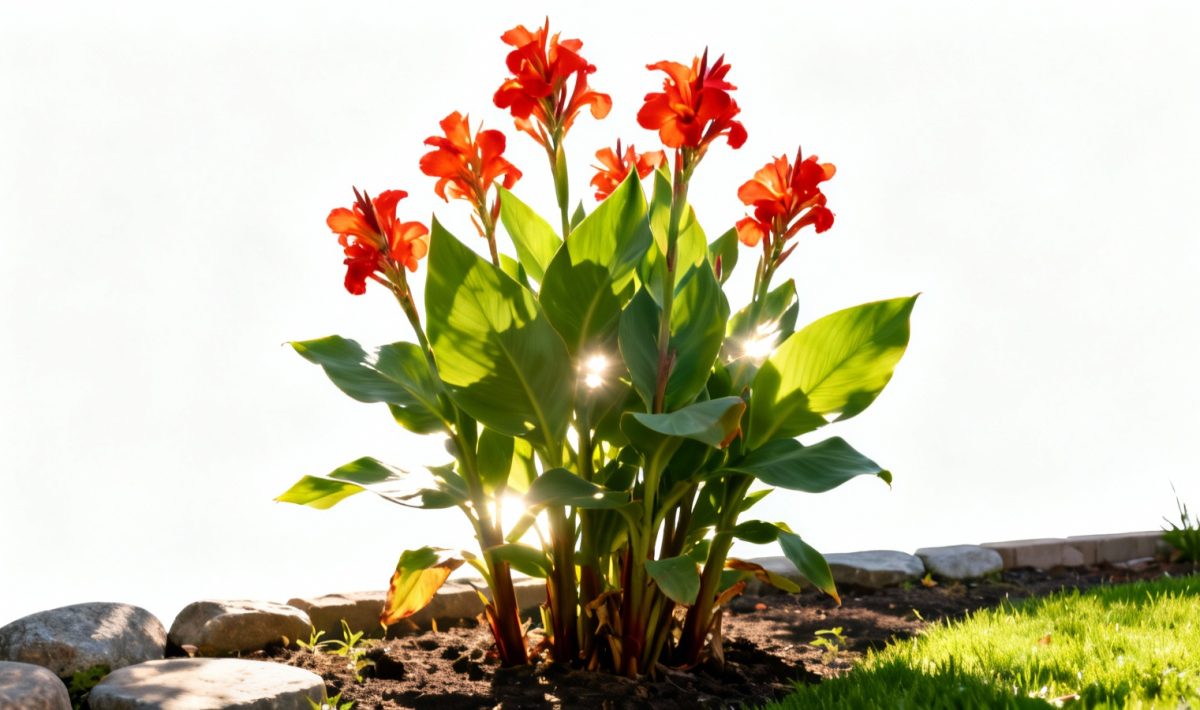
How much sunlight does canna lily need for garden success
If you’re wondering how much sunlight does canna lily need, you’ve come to the right place. These stunning tropical plants have become garden favorites, and for good reason. Their vibrant blooms and lush foliage create an exotic atmosphere that transforms any outdoor space into a paradise.
Canna lilies are sun-loving plants that thrive with plenty of direct sunlight. These tropical beauties need at least 6 to 8 hours of full sun daily for optimal growth and flowering. Without adequate light exposure, your cannas will produce fewer blooms and may develop weak, elongated stems as they stretch toward available light sources.
The relationship between sunlight and flowering is particularly crucial for these plants. More sunlight directly translates to more vigorous growth and abundant blooms throughout the summer season. This makes proper placement in your garden absolutely essential for success with these remarkable plants.
Best growing conditions for thriving cannas
Beyond sunlight requirements, canna lilies need well-draining soil that retains some moisture. They prefer rich, fertile ground with good organic content. The combination of full sun and proper soil conditions creates the perfect environment for these tropical plants to flourish.
Temperature also plays a vital role in canna lily cultivation. These warm-weather plants perform best when soil temperatures consistently stay above 60°F. Cold soil can stunt growth and delay flowering, making spring planting timing crucial for gardening success.
Just as sunlight requirements for Peruvian lilies vary among different species, canna varieties may have slightly different light preferences, though most share similar needs for abundant sunshine.
Popular canna lily varieties for your garden
Different canna varieties offer unique colors and characteristics while maintaining similar light requirements. Red cannas create dramatic focal points with their bold, fiery blooms. Yellow varieties bring sunshine to garden beds and complement other tropical plants beautifully.
Tropical cannas with variegated foliage add interesting texture even when not in bloom. These plants typically feature striped or spotted leaves that create visual interest throughout the growing season. The best varieties combine stunning flowers with attractive foliage for maximum garden impact.
Many gardeners find that mixing different colored cannas creates spectacular displays. Consider combining red, yellow, and orange varieties for a truly tropical look that will be the envy of your neighborhood.
Planting and care tips for maximum success
When planting canna seeds or bulbs, timing is everything. Wait until soil temperatures warm up consistently in spring before planting outdoors. Cold soil can prevent proper germination and root development, setting your plants back significantly.
Start with quality seeds or rhizomes from reputable suppliers. Look for plump, healthy bulbs without soft spots or damage. Good shipping practices ensure your plants arrive in excellent condition and ready for fast establishment in your garden.
Understanding that optimal sunlight for pink calla lilies differs from canna requirements helps gardeners make informed decisions about garden placement and plant combinations.
Maximizing flowering with proper sun exposure
To get the most blooms from your cannas, choose the sunniest spot in your garden. South-facing locations typically receive the most consistent sunlight throughout the day. Avoid areas shaded by buildings, fences, or large trees during peak sun hours.
Monitor how sunlight patterns change in your garden throughout the growing season. What seems like full sun in early spring may become partially shaded as trees leaf out. Plan accordingly to ensure your cannas receive adequate light all summer long.
Consider the mature size of surrounding plants when selecting planting locations. Nearby perennials or shrubs that grow taller during the season could eventually shade your cannas and reduce flowering performance.
Common mistakes to avoid with canna cultivation
One frequent error is planting cannas in areas that seem sunny but actually receive filtered or partial shade for much of the day. This results in disappointing flower production and weak plant growth that fails to meet expectations.
Another mistake involves inadequate soil preparation. While sunlight is crucial, poor soil drainage can kill even well-placed cannas. Always improve heavy clay soils with organic matter before planting to ensure proper root development.
Overcrowding is also problematic for canna lilies. These plants need space for air circulation and full sun penetration. Plant them with adequate spacing to prevent competition and ensure each plant receives maximum light exposure.
Seasonal care considerations
Summer care involves regular watering and feeding to support continuous blooming. Well-fed cannas in full sun will produce flowers from mid-summer through the first frost. Deadheading spent blooms encourages continued flowering and keeps plants looking their best.
As autumn approaches, allow plants to naturally slow their growth. Stop feeding about 6 weeks before expected frost dates. This helps plants prepare for dormancy and makes winter storage easier in colder climates.
In frost-free areas, cannas can remain in the ground year-round. However, they still benefit from annual division and soil improvement to maintain vigorous growth and abundant flowering.
Interestingly, other plants like those discussed in sunlight needs for avocado plants share similar preferences for abundant sunshine, though their growing requirements differ significantly.
Purchasing quality canna plants and seeds
When shopping for cannas, look for healthy plants with strong root systems. Quality nurseries offer detailed plant descriptions and growing information to help customers make informed choices. Fast shipping ensures plants arrive in prime condition for immediate planting.
Seeds offer an economical way to grow multiple plants, though germination can be challenging for beginners. Fresh seeds from reliable suppliers typically have better germination rates than older stock. Always check the item description for specific variety information and growing recommendations.
Consider purchasing from local garden centers when possible. This allows you to inspect plants personally and get advice from knowledgeable staff familiar with your specific growing conditions and climate challenges.
Just as healthy sunlight for mulberry trees requires careful consideration of light exposure, successful canna cultivation demands attention to proper sun placement and care.
Creating stunning garden displays
Cannas work beautifully as centerpiece plants in mixed borders or as dramatic standalone specimens. Their bold foliage and bright flowers create instant tropical appeal that transforms ordinary gardens into exotic retreats.
Group plantings of the same variety create powerful visual impact, while mixed plantings offer diverse color combinations. Consider bloom timing when selecting varieties to ensure continuous color throughout the growing season.
These versatile plants also excel in containers, making them perfect for patios, decks, and other paved areas. Large pots allow for proper root development while providing the drainage cannas require for healthy growth.
With proper sunlight and care, your canna lilies will reward you with months of spectacular blooms and lush tropical foliage. These remarkable plants bring exotic beauty to any garden while remaining relatively easy to grow for gardeners of all experience levels.
Allan is a lifelong gardening enthusiast who still gets excited when the first seedlings pop up in spring. With a deep love for nature and a hands-in-the-soil approach, he shares practical tips, plant discoveries, and clever tricks picked up over years of digging, planting, and observing. Whether you’re a new gardener or have a shed full of tools, Allan writes like a neighbor who’s always happy to swap cuttings and stories over the fence.
You can find more about Allan’s work on Malt or connect with him on LinkedIn.