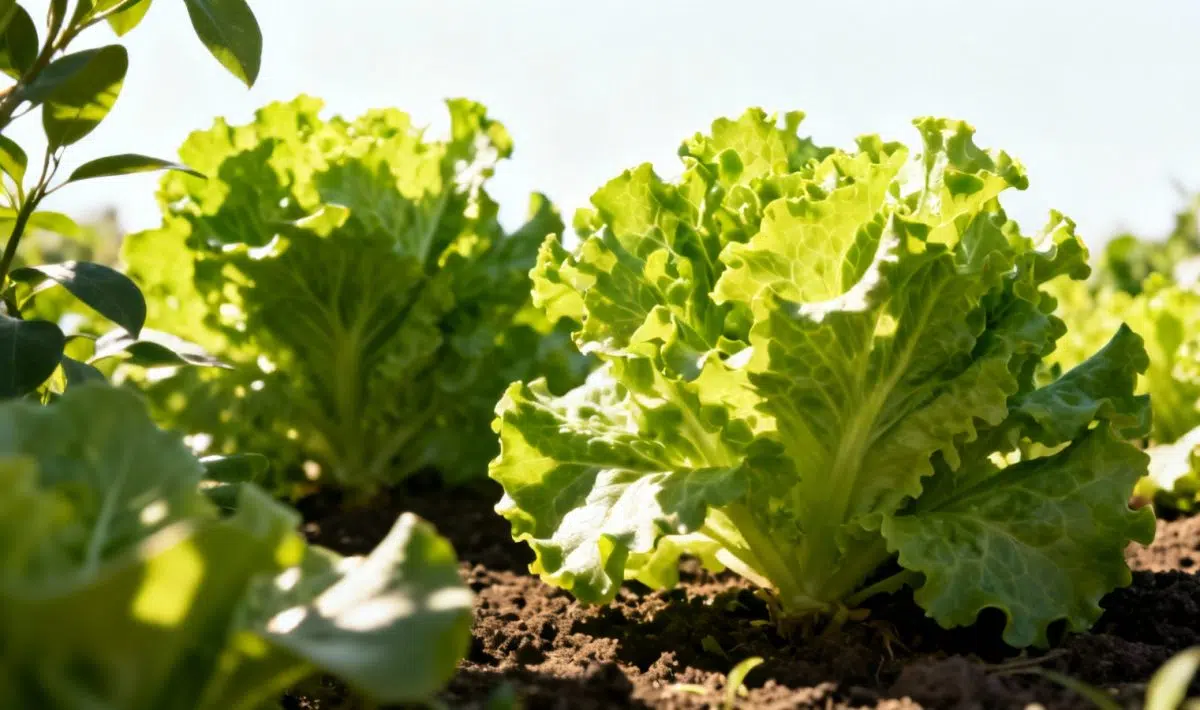
How much sunlight does garden lettuce need for optimal growth
Growing crisp, tender lettuce in your home garden is one of life’s simple pleasures. However, understanding how much sunlight does garden lettuce need can make the difference between a thriving crop and disappointing results. The key lies in finding that sweet spot between adequate light and protection from harsh conditions.
Understanding sunlight requirements for garden lettuce
Garden lettuce thrives best with 6 to 8 hours of gentle sunlight daily. This doesn’t mean scorching midday sun, but rather bright, filtered light that promotes healthy growth without causing stress. Most varieties of lettuce are classified as partial shade plants, meaning they can flourish with 4 to 5 hours of direct morning sun followed by afternoon protection.
The organic approach to growing lettuce emphasizes working with natural light patterns. Spring and fall provide ideal conditions, when the sun is less intense but still abundant. During these seasons, your lettuce plants can tolerate full sun exposure without the risk of bolting or developing bitter leaves.
Understanding these patterns becomes especially important when considering companion planting. For instance, while researching various garden plants’ needs, you might find that sunlight requirements for garden dahlia differ significantly from lettuce, requiring careful garden planning.
Varieties and their specific sunlight needs
Different types of lettuce have varying tolerance levels for sun exposure. Iceberg lettuce, with its tight, crunchy heads, can handle more direct sunlight than loose-leaf varieties. However, even this hardy type benefits from some afternoon shade during peak summer months.
Loose-leaf varieties like Lollo Rossa and other tender, colorful lettuces prefer gentler conditions. These delicate plants develop their best flavor and texture when grown in morning sun with filtered afternoon light. Their leaves remain more tender and less bitter under these conditions.
When selecting seeds for your garden, consider organically grown varieties that have been developed for better heat tolerance. These plants often show improved resilience to varying light conditions while maintaining excellent flavor profiles.
Managing summer heat challenges
Summer presents unique challenges for lettuce cultivation. When temperatures exceed 75°F in full sun, lettuce plants often experience stress, leading to premature bolting and bitter-tasting leaves. This is why many experienced gardeners shift to partial shade locations during the hottest months.
Creating natural shade structures or using companion plants can help moderate the growing environment. Taller plants can provide necessary protection while still allowing sufficient light penetration. This technique works well alongside understanding how other shade-tolerant plants like optimal sunlight for ground elder manage in similar conditions.
Soil preparation and its relationship to sunlight
The quality of your soil directly impacts how well your lettuce handles sun exposure. Well-draining, fertile soil helps plants cope with varying light conditions more effectively. Organic soil amendments improve water retention, which becomes crucial during sunny periods.
Rich, organic soil provides the nutrients necessary for robust growth, enabling plants to better withstand periods of intense sunlight. Adding compost or well-rotted manure creates an ideal growing medium that supports healthy root development and overall plant resilience.
Proper drainage prevents waterlogged conditions that can stress plants, particularly when combined with direct sunlight. This balance becomes especially important when growing lettuce alongside sun-loving plants that might have different watering needs, similar to how ideal sunlight conditions for avocados require specific soil drainage considerations.
Planting techniques for optimal light exposure
When sowing lettuce seeds, proper spacing ensures each plant receives adequate sunlight without overcrowding. Plant seeds approximately one inch apart initially, then thin seedlings to provide 4-6 inches between mature plants. This spacing allows light to penetrate the canopy effectively.
The timing of your planting also influences sunlight utilization. Early spring and late summer plantings take advantage of moderate sun conditions, while succession planting every two weeks ensures continuous harvests throughout the growing season.
Seasonal adjustments and garden management
Successful lettuce growing requires adapting to seasonal changes in sunlight intensity and duration. Spring lettuce benefits from gradually increasing sun exposure as plants establish themselves. Summer crops often perform better in locations that receive morning sun but afternoon shade.
Fall planting offers excellent opportunities for lettuce cultivation, as the decreasing sun angle provides ideal growing conditions. During this season, plants can handle more direct sunlight without stress, often producing some of the best-quality leaves of the year.
Winter growing in mild climates or protected environments requires maximizing available sunlight. Even limited winter sun can support lettuce growth when plants are properly positioned and protected from harsh weather.
Garden planning should consider how different plants interact with sunlight throughout the seasons. Understanding the needs of various crops, such as sunlight needs for mulberry trees, helps create effective garden layouts that optimize light distribution.
Signs of proper sunlight balance
Healthy lettuce plants receiving appropriate sunlight display vibrant green colors and steady growth patterns. Leaves should be tender yet substantial, without signs of wilting during normal daylight hours. Proper sunlight balance results in compact, well-formed heads for heading varieties and full, lush growth for leaf types.
Conversely, too much sun causes leaves to become bitter, bolt prematurely, or show signs of burning. Insufficient light leads to weak, elongated growth and pale coloration. Finding the right balance often requires observation and adjustment based on your specific growing conditions.
Maximizing your lettuce harvest
Understanding sunlight requirements enables you to make informed decisions about garden placement and timing. Consider the mature size of surrounding plants when positioning lettuce beds, ensuring they won’t be overshadowed as the season progresses.
Regular harvesting encourages continued production, particularly when plants receive optimal sunlight. Cut outer leaves regularly to promote new growth from the center, extending your harvest period significantly.
Successful lettuce cultivation often involves learning from experience with various garden plants. The principles that apply to lettuce sunlight management can inform growing decisions for other crops, whether you’re considering sunlight levels for healthy eggplants or planning your entire garden layout.
With proper attention to sunlight requirements, organic soil preparation, and seasonal adjustments, your garden lettuce can provide fresh, flavorful harvests throughout the growing season. The key lies in understanding that lettuce appreciates bright conditions without excessive heat, making it a rewarding crop for gardeners who master this balance.
Allan is a lifelong gardening enthusiast who still gets excited when the first seedlings pop up in spring. With a deep love for nature and a hands-in-the-soil approach, he shares practical tips, plant discoveries, and clever tricks picked up over years of digging, planting, and observing. Whether you’re a new gardener or have a shed full of tools, Allan writes like a neighbor who’s always happy to swap cuttings and stories over the fence.
You can find more about Allan’s work on Malt or connect with him on LinkedIn.