
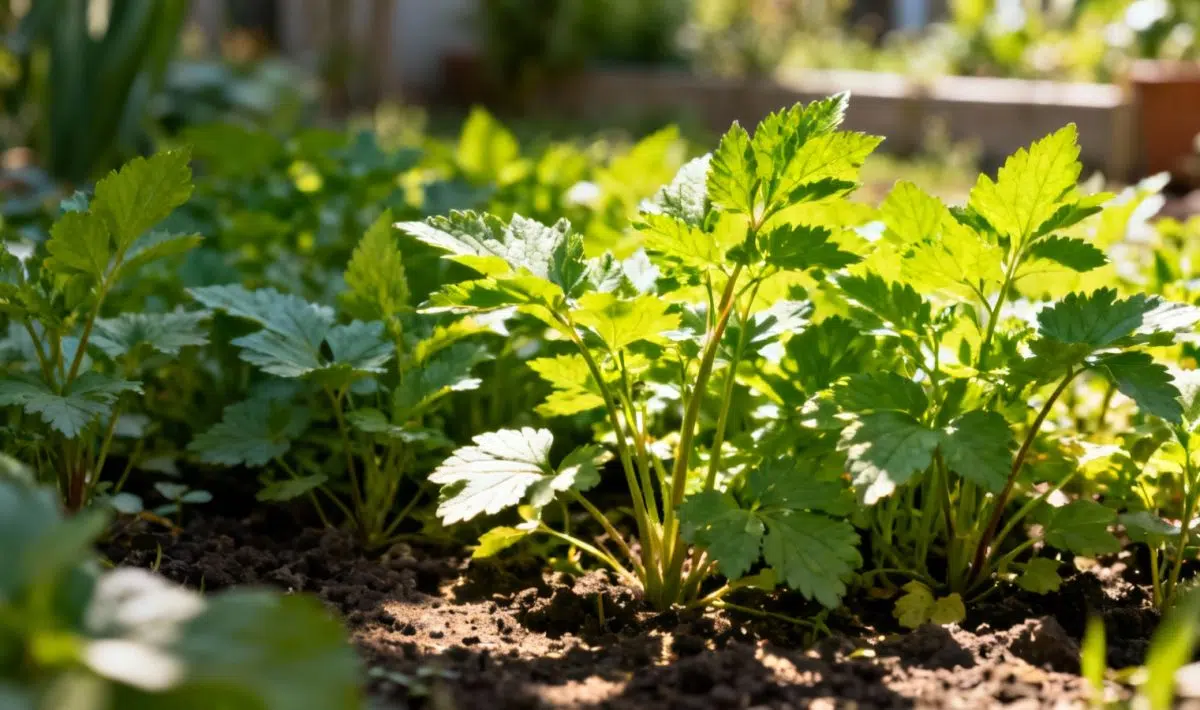
Ground elder, also known as goutweed, is a fascinating plant that many gardeners encounter but don’t fully understand. When it comes to how much sunlight does ground elder need, the answer might surprise you. This hardy perennial thrives in conditions that would challenge many other plants, making it both a blessing and sometimes a curse for garden enthusiasts.
Understanding ground elder’s natural habitat
Ground elder naturally grows in woodland areas where dappled sunlight filters through tree canopies. This plant has evolved to make the most of limited light conditions, requiring only 3 to 6 hours of gentle sunlight daily. Unlike many garden plants that crave full sun, ground elder actually prefers filtered light or partial shade conditions.
The plant’s green foliage can suffer damage when exposed to intense, direct sunlight for extended periods. You’ll notice that wild ground elder populations thrive under trees and in shaded garden corners where other plants struggle. This adaptation makes it incredibly valuable for gardeners dealing with challenging low-light areas.
Optimal growing conditions for ground elder
Creating the right environment for ground elder involves more than just managing sunlight exposure. The soil quality plays an equally important role in the plant’s success. Ground elder prefers well-draining soil that’s rich in organic matter, though it’s remarkably adaptable to various soil types.
For best results, choose locations that receive morning sunlight followed by afternoon shade. This pattern provides the energy the plant needs for photosynthesis while protecting it from harsh midday heat. When planting ground elder seeds, ensure the soil stays consistently moist but not waterlogged, as this can lead to root rot.
Just as different plants have varying needs, you’ll find that sunlight requirements for elder plants can differ based on the specific variety and growing conditions in your garden.
Signs of proper light exposure
Healthy ground elder displays vibrant green leaves with good density and structure. When the plant receives adequate light, you’ll see steady growth throughout the growing season and attractive white flower clusters in early summer. The leaves should maintain their characteristic three-part shape without yellowing or browning at the edges.
If your ground elder isn’t getting enough light, the stems may become elongated and weak as the plant stretches toward available sunlight. Conversely, too much direct sun causes leaf scorching, wilting, and overall stress to the plant. Finding that sweet spot of filtered sunlight is key to success.
Planting strategies for different garden areas
When planning where to grow ground elder, consider the varying light conditions throughout your garden space. Areas under deciduous trees work exceptionally well, as they provide dappled sunlight that changes with the seasons. North-facing slopes or areas beside tall structures also offer ideal conditions.
For gardeners working with seed starting, sow ground elder seeds in spring when soil temperatures reach about 50°F. The seeds germinate well in partially shaded conditions, making them perfect for areas where traditional grass struggles to establish. This is particularly useful when you’re trying to cover difficult terrain naturally.
Different plants require different approaches to sunlight management. For instance, avocado sunlight needs for growth are quite different from ground elder, demonstrating how plant selection should match your garden’s specific light conditions.
Soil preparation and maintenance
Preparing the right soil foundation ensures your ground elder thrives regardless of light conditions. Start by testing your soil pH, as ground elder prefers slightly alkaline to neutral conditions between 6.0 and 7.5. Adding organic matter like compost or well-aged manure improves both drainage and nutrient content.
Good soil preparation involves loosening the earth to about 6 inches deep and incorporating organic material. This creates the ideal growing environment where roots can establish quickly and access necessary nutrients. Water the area thoroughly after planting but avoid overwatering, which can be more harmful than beneficial.
Seasonal care considerations
Ground elder’s sunlight needs change slightly throughout the year, and understanding these variations helps you provide optimal care. During spring emergence, the plant benefits from gentle morning sunlight that warms the soil and encourages new growth. Summer requires protection from intense afternoon heat, while fall sunlight helps the plant prepare for winter dormancy.
Regular monitoring throughout the growing season helps you identify any issues early. Look for signs of stress such as yellowing leaves or poor growth, which might indicate lighting problems or other environmental factors. Adjusting nearby plantings or adding temporary shade can help optimize conditions.
Tree crops have their own specific requirements that gardeners should understand. For example, optimal sunlight for mulberry trees differs significantly from ground elder, showing how proper plant selection matches your available growing conditions.
Managing ground elder growth
Once established, ground elder can spread quite vigorously, especially in ideal conditions. This natural tendency makes it excellent for ground cover but requires some management to prevent it from overwhelming other plants. Regular trimming and boundary maintenance keep the plant within desired areas.
The plant’s ability to thrive in challenging conditions makes it valuable for erosion control and difficult garden spots. However, this same hardiness means you should plant it thoughtfully, considering its long-term growth patterns. Creating physical barriers or regular maintenance schedules helps control its spread.
Troubleshooting common issues
When ground elder isn’t performing well, light exposure is often the first factor to examine. Plants growing in too much shade may become spindly and weak, while those in excessive sun show leaf burning and stress. Adjusting the surrounding environment or relocating the plant often solves these problems.
Soil drainage issues can also mimic light problems, so check that water isn’t pooling around the roots. Poor drainage combined with deep shade creates conditions where fungal problems can develop. Improving soil structure and ensuring adequate air circulation helps prevent these issues.
Understanding how various edible plants respond to light helps gardeners make better planting decisions. The needs of eggplant light requirements for healthy growth illustrate how different species have evolved for specific light conditions.
Benefits of growing ground elder
Despite its reputation as an invasive plant in some areas, ground elder offers several benefits when grown thoughtfully. Its ability to thrive in low-light conditions makes it perfect for challenging garden areas where other plants fail. The young leaves are edible and nutritious, adding value beyond mere ground cover.
From an ecological perspective, ground elder provides habitat and food sources for various insects and small wildlife. Its dense growth pattern helps suppress weeds naturally, reducing the need for chemical interventions or constant maintenance in shaded garden areas.
The plant’s hardiness means it requires minimal care once established, making it ideal for low-maintenance gardening approaches. This characteristic proves especially valuable for gardeners dealing with time constraints or physical limitations that make intensive garden care challenging.

Allan is a lifelong gardening enthusiast who still gets excited when the first seedlings pop up in spring. With a deep love for nature and a hands-in-the-soil approach, he shares practical tips, plant discoveries, and clever tricks picked up over years of digging, planting, and observing. Whether you’re a new gardener or have a shed full of tools, Allan writes like a neighbor who’s always happy to swap cuttings and stories over the fence.
You can find more about Allan’s work on Malt or connect with him on LinkedIn.


