
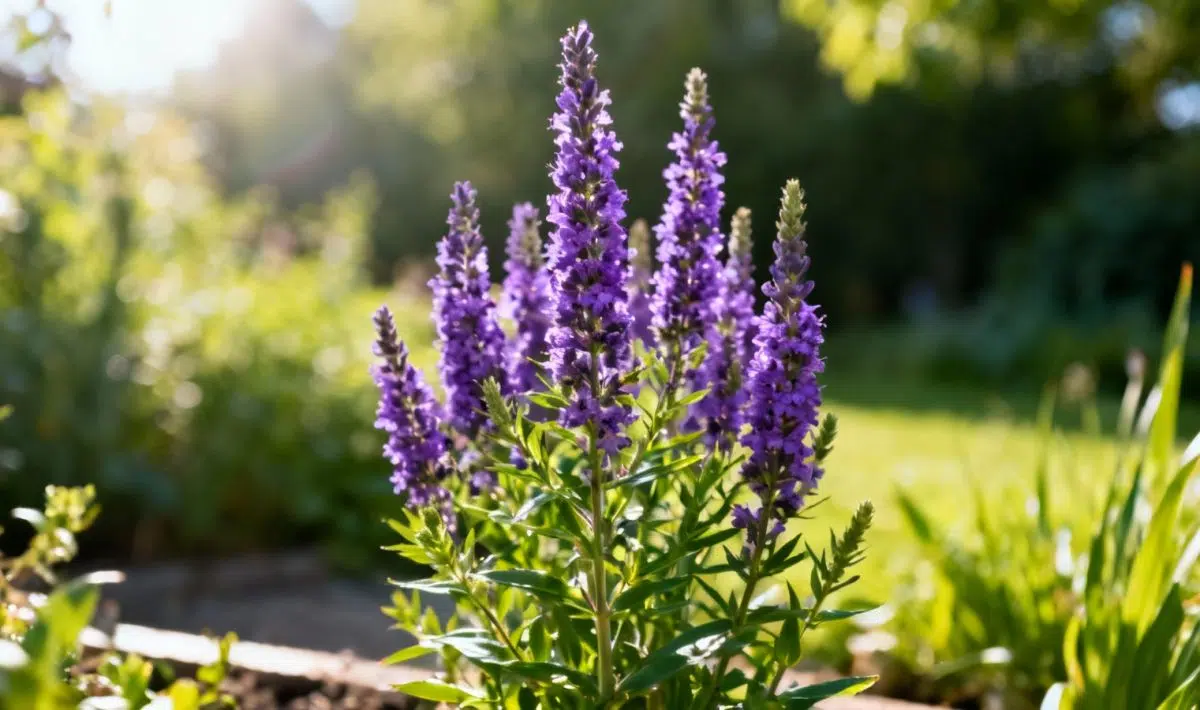
Purple loosestrife (Lythrum salicaria) is a stunning flower that brings vibrant color to wet areas and garden landscapes. Understanding how much sunlight this remarkable plant needs is crucial for successful cultivation. This beautiful flower thrives in specific light conditions that directly impact its growth, flowering, and overall health.
Optimal sunlight requirements for purple loosestrife
Purple loosestrife performs best with full sun exposure, receiving approximately 6 to 8 hours of direct sunlight daily. This type of light exposure ensures maximum growth potential and abundant flowering. The plant can tolerate partial shade conditions, accepting up to 50% reduction in light without completely failing to grow.
However, you’ll notice a significant difference in plant vigor when comparing full sun versus partial shade conditions. Plants grown in optimal sunlight develop stronger stems, more vibrant purple flowers, and better overall resistance to environmental stresses.
Understanding light tolerance and growth patterns
While purple loosestrife can survive in partially shaded areas, germination and early plant development require high light levels for best results. Seeds planted in well-lit, moist soil conditions show superior establishment rates compared to those in heavily shaded locations. The first year of growth is particularly sensitive to light availability.
Young plants demonstrate remarkable adaptability once established. They can gradually adjust to varying light conditions, though growth rates slow considerably in areas receiving less than 4 hours of direct sun. Many gardeners find that plants in partial shade produce fewer flowers and may require additional soil amendments for optimal performance.
Like other sun-loving plants, understanding proper light requirements helps maximize success. For instance, when considering sunlight requirements for purple coneflower, you’ll notice similar preferences for full sun exposure among purple-flowering species.
The best results come from combining proper sunlight with suitable soil conditions. Purple loosestrife naturally grows in humides (wet) environments, making it perfect for garden areas with consistent moisture. Premium soil preparation includes ensuring good drainage while maintaining adequate water retention.
Plants establish most successfully in sol (soil) that remains consistently moist but not waterlogged. The description of ideal growing conditions includes full sun exposure paired with organically rich, slightly acidic to neutral pH soil. This combination promotes vigorous root development and supports the plant’s natural tendency to spread.
For gardeners working with different plant types, understanding varied sunlight needs helps create successful mixed plantings. Just as avocado sunlight needs for healthy growth differ from flowering perennials, each species has specific requirements for optimal development.
Practical planting and cultivation tips
When planning your garden layout, position purple loosestrife in the sunniest available locations. Morning sun exposure is particularly beneficial for plant health and helps prevent fungal issues that can develop in humid conditions. The common practice of grouping similar light-requirement plants together simplifies maintenance.
Seeds require specific conditions for successful germination. Plant them in spring when soil temperatures consistently reach 60°F or higher. The germination process works best with consistent moisture and full sun exposure. First-time growers often achieve better results by starting with established plants rather than seeds.
Consider companion planting with other sun-loving species that share similar moisture requirements. Tree fruits also have specific light needs, and understanding optimal sunlight for mulberry trees can help create diverse, well-planned garden spaces.
Managing light conditions in different garden settings
Garden design flexibility allows for creative placement solutions when full sun isn’t available throughout your property. Purple loosestrife adapts reasonably well to morning sun with afternoon shade, particularly in warmer climates where intense afternoon heat might stress the plants.
Partial shade tolerance makes this flower suitable for transition areas between full sun and heavily shaded garden zones. Multiple plantings can create stunning visual effects when positioned to take advantage of changing light patterns throughout the day.
Vegetable gardeners often ask about light requirements for different crops. Similar to how eggplant sunlight requirements for growth influence placement decisions, flower positioning affects both aesthetic appeal and plant health.
Seasonal light considerations and plant performance
Seasonal changes affect light availability and plant response throughout the growing season. Purple loosestrife shows excellent adaptation to varying day length, maintaining vigorous growth from late spring through early fall. Summer months with longer daylight hours support peak flowering periods.
During shorter autumn days, plants begin preparing for dormancy regardless of continued warm temperatures. This natural cycle doesn’t require light supplementation, as the plant responds to photoperiod changes rather than just light intensity.
Understanding light needs extends beyond just flowering plants. Houseplant enthusiasts often research requirements for decorative foliage, such as learning about sunlight needs for angel’s wings plant, which helps create comprehensive plant care knowledge.
Maximizing flowering potential with proper light exposure
Achieving the most impressive fleurs (flowers) requires consistent attention to light requirements throughout the growing season. Premium flower production depends heavily on adequate sunlight, with plants in full sun producing significantly more blooms than those in partial shade.
The vibrant purple color that gives this plant its name develops most intensely under optimal light conditions. Insufficient light often results in paler flowers and reduced bloom quantity. Regular monitoring helps identify when light conditions may need adjustment through pruning nearby vegetation or relocating plants.
Successful cultivation combines proper siting with appropriate care practices. This approach ensures your purple loosestrife investment provides maximum visual impact and supports local pollinator populations with abundant nectar sources.

Allan is a lifelong gardening enthusiast who still gets excited when the first seedlings pop up in spring. With a deep love for nature and a hands-in-the-soil approach, he shares practical tips, plant discoveries, and clever tricks picked up over years of digging, planting, and observing. Whether you’re a new gardener or have a shed full of tools, Allan writes like a neighbor who’s always happy to swap cuttings and stories over the fence.
You can find more about Allan’s work on Malt or connect with him on LinkedIn.


