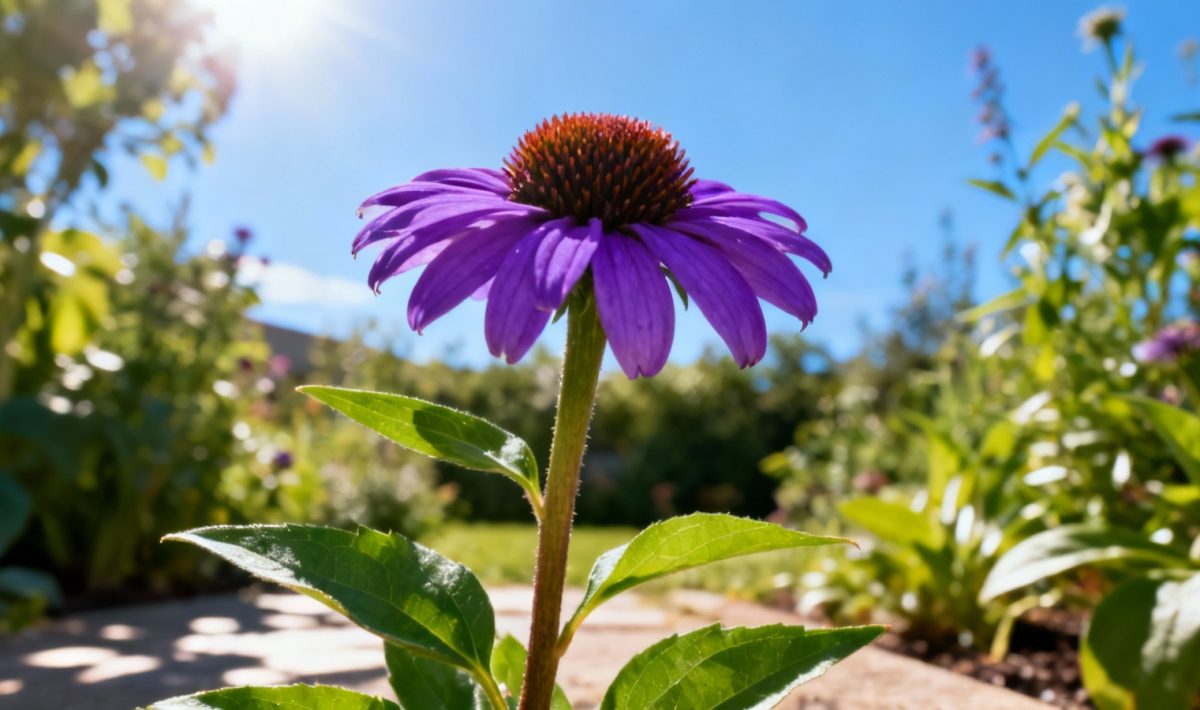
How much sunlight does purple coneflower need for optimal growth
Growing purple coneflower successfully starts with understanding exactly how much sunlight does purple coneflower need for healthy development. This stunning perennial, scientifically known as Echinacea purpurea, has captured gardeners’ hearts with its vibrant blooms and ability to attract pollinisateurs. However, getting the light requirements right makes all the difference between a thriving garden display and disappointing results.
Purple coneflower thrives best with full sun exposure, which means at least 6 to 8 hours of direct sunlight daily. This native wildflower evolved in open prairies where bright, unfiltered sunlight was abundant throughout the growing season. When you provide adequate sun exposure, your plants reward you with robust growth, abundant floraison, and the characteristic bright purple petals that make this variety so popular.
The plant can tolerate partial shade, particularly during the hottest afternoon hours in extremely warm climates. However, insufficient sunlight typically results in weaker stems, fewer flowers, and a tendency for the plant to become leggy as it stretches toward available light sources. For optimal results with your echinacea purpurea, choose the sunniest spot available in your garden.
Full sun versus partial shade growing conditions
Full sun conditions deliver the best performance for purple coneflower cultivation. Plants grown in full sun develop stronger root systems, produce more flowers per plant, and maintain their compact, upright growth habit naturally. The intense sunlight also enhances the production of the compounds that make echinacea valuable for attracting beneficial insects to your garden.
In partial shade conditions, while plants can still survive, you’ll notice reduced flowering and potentially taller, less sturdy stems. This becomes particularly evident when comparing plants grown in different areas of the same garden. Those receiving full sun consistently outperform their partially shaded counterparts.
Optimal growing conditions for purple coneflower seeds
When starting from seeds, proper sunlight becomes even more critical for successful germination and early growth. Purple coneflower graines need consistent warmth and light to germinate effectively. Place seed trays in locations receiving at least 6 hours of morning sun, which provides gentle warmth without the harsh intensity of afternoon heat.
Young seedlings are particularly sensitive to light conditions during their first few months. Gradually acclimate them to full sun exposure over several weeks rather than placing them directly in the most intense sunlight. This process, called hardening off, prevents shock and ensures strong establishment in your garden.
For gardeners interested in growing other sun-loving plants, you might also want to learn about sunlight requirements for oregano plants which shares similar preferences for bright conditions.
Soil preparation and sunlight interaction
The relationship between soil quality and sunlight exposure significantly impacts purple coneflower success. Well-draining soil becomes especially important in full sun locations, as intense sunlight can quickly dry out heavy, clay-based soils. Conversely, proper drainage prevents root rot in areas receiving consistent moisture from morning dew or irrigation.
Amend your soil with organic matter to improve both drainage and water retention. This creates an ideal balance where roots can access moisture during hot, sunny periods while avoiding waterlogged conditions during cooler, cloudier weather.
Seasonal sunlight considerations and plant care
Understanding how seasonal changes affect sunlight availability helps optimize purple coneflower care throughout the year. During spring and early summer, when days are longest, your plants receive maximum benefit from extended sun exposure. This period typically coincides with their most vigorous growth and initial flowering phases.
As autumn approaches and daylight hours decrease, purple coneflower naturally begins preparing for dormancy. The reduced sunlight signals the plant to slow growth and focus energy on root development and seed production. This natural cycle demonstrates why consistent full sun exposure during the growing season is so important.
The connection between sunlight and flowering intensity cannot be overstated with purple coneflower. Plants receiving optimal sun exposure typically begin blooming in early summer and continue producing flowers well into fall. Each flower head can last several weeks when plants receive adequate sunlight and water.
Deadheading spent blooms encourages continued flowering, but this practice works best when plants receive full sun. In shadier conditions, the energy reserves needed for repeat blooming may be insufficient, resulting in a shorter overall flowering season.
Creating the perfect garden environment
Successful purple coneflower cultivation involves more than just sunlight considerations. These hardy perennials prefer slightly alkaline soil with good drainage and moderate fertility. Avoid over-fertilizing, as this can lead to excessive foliage growth at the expense of flower production.
Companion planting works wonderfully with purple coneflower, especially when you select other full-sun perennials with similar water requirements. Consider herbs like sunlight needs for spearmint growth which can provide aromatic diversity while sharing similar growing conditions.
Water deeply but infrequently once plants are established. This encourages deep root development that helps plants better tolerate periods of intense sunlight and heat. Morning watering is preferred as it allows foliage to dry quickly in the sun, reducing disease potential.
Common mistakes with sunlight and purple coneflower
One frequent error involves planting purple coneflower in locations that receive morning shade and afternoon sun. While the total hours might seem adequate, the intense afternoon heat combined with direct sunlight can stress plants unnecessarily. Morning sun with some afternoon protection often works better than the reverse situation.
Another mistake involves gradually moving established plants to shadier locations thinking they’ll adapt. Purple coneflower performs best when given consistent light conditions from planting through maturity. Sudden changes in light availability can shock plants and reduce their overall vigor.
Establishing purple coneflower in the right sunlight conditions sets the foundation for years of reliable performance. These long-lived perennials can thrive for decades when their basic needs are met, with mature clumps becoming increasingly spectacular as they age.
Monitor your garden’s changing light conditions over time. Growing trees, new construction, or seasonal variations in sun angle can all affect the amount of sunlight your purple coneflower receives. Be prepared to relocate plants if their light requirements are no longer being met in their current location.
Regular division every three to four years helps maintain plant vigor and provides opportunities to expand your purple coneflower display or share plants with fellow gardeners. This practice works best when performed in spring, giving divisions a full growing season to establish in their new locations with proper sunlight exposure.
With the right sunlight conditions and basic care, purple coneflower becomes a reliable garden stalwart that attracts pollinisateurs, provides cut flowers, and creates stunning seasonal displays year after year. The investment in understanding and providing proper light requirements pays dividends in both plant health and garden beauty.
Allan is a lifelong gardening enthusiast who still gets excited when the first seedlings pop up in spring. With a deep love for nature and a hands-in-the-soil approach, he shares practical tips, plant discoveries, and clever tricks picked up over years of digging, planting, and observing. Whether you’re a new gardener or have a shed full of tools, Allan writes like a neighbor who’s always happy to swap cuttings and stories over the fence.
You can find more about Allan’s work on Malt or connect with him on LinkedIn.