
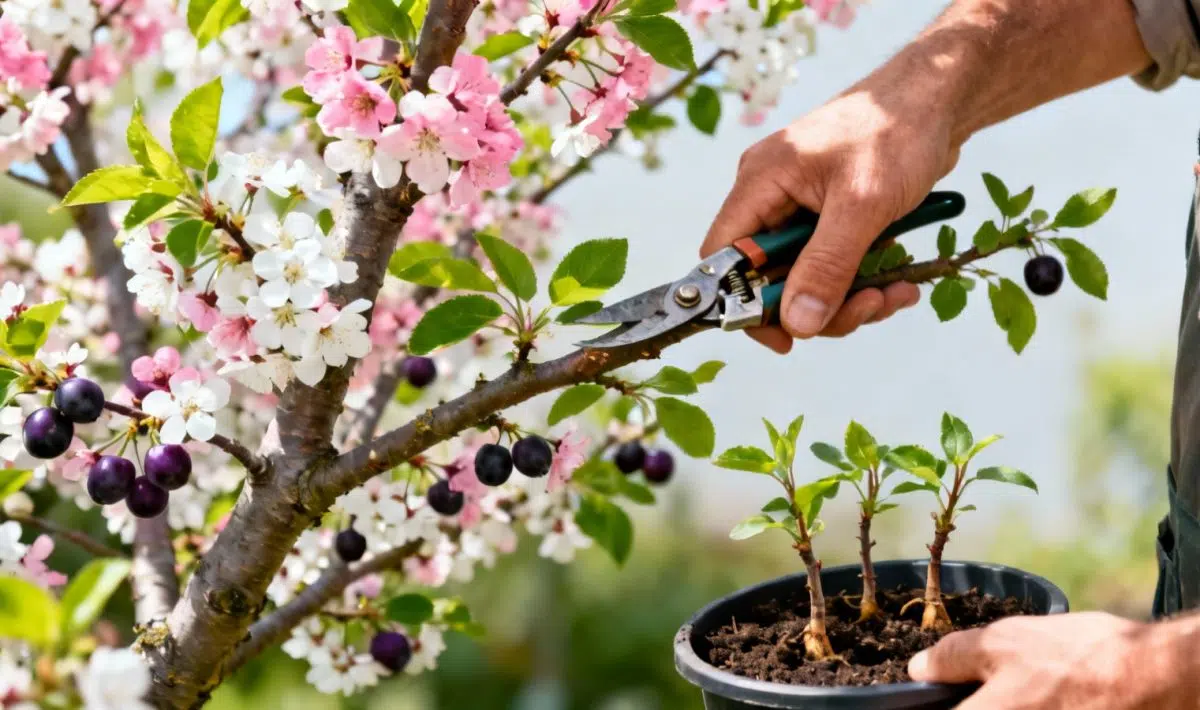
The cherry plum, scientifically known as Prunus cerasifera, stands out as one of the most rewarding fruit trees you can grow from seeds. This fast-growing tree offers beautiful early spring blossoms, attractive foliage, and delicious small fruits that are perfect for both ornamental and culinary purposes. Whether you’re looking to buy seeds for your garden or wanting to understand the complete cultivation process, this comprehensive overview will guide you through everything you need to know about growing cherry plum trees.
Understanding Cherry Plum Characteristics
Prunus cerasifera typically reaches 4 to 8 meters in height with a naturally rounded canopy. The tree displays remarkable adaptability, thriving in various soil types and climatic conditions. Its rapid growth rate makes it an excellent choice for gardeners who want quick results from their planting efforts.
The cherry plum produces small, round fruits that range from yellow to deep red in color. These fruits ripen in mid to late summer and offer a sweet-tart flavor that’s perfect for fresh eating, jams, or preserves. The tree’s ornamental value is equally impressive, featuring abundant white to pale pink flowers that appear before the leaves emerge in spring.
Many gardeners choose this species for its low maintenance requirements. Once established, cherry plum trees demonstrate excellent drought tolerance and disease resistance, making them ideal for both novice and experienced growers.
Optimal Growing Conditions for Cherry Plum
Success with Prunus cerasifera begins with understanding its preferred growing conditions. The tree thrives in well-draining soil with a pH between 6.0 and 7.5. While it adapts to various soil types, it performs best in loamy soil enriched with organic matter.
Full sun exposure is essential for optimal fruit production and tree health. Cherry plum trees require at least 6 to 8 hours of direct sunlight daily. This exposure promotes vigorous growth, abundant flowering, and better fruit quality. In partially shaded locations, you may notice reduced flowering and slower growth rates.
Climate considerations are equally important when planning your planting strategy. Cherry plum trees are remarkably hardy and can withstand cold temperatures down to -20°C. They perform well in USDA zones 4 through 8, making them suitable for a wide range of geographic locations.
Planting Cherry Plum from Seeds
Growing cherry plum from seeds offers several advantages, including genetic diversity and the satisfaction of nurturing a tree from its earliest stage. However, it’s important to note that seed-grown trees may not produce fruits identical to the parent plant, and they typically take longer to bear fruit compared to grafted specimens.
When you buy cherry plum seeds, ensure they come from a reputable store that guarantees fresh, viable seeds. Quality seeds will have higher germination rates and produce healthier seedlings. Most online stores offer free shipping on seed orders, making it convenient to acquire quality planting material.
Seeds require cold stratification before planting. Place the seeds in slightly moist peat moss or sand, store them in the refrigerator for 90 to 120 days at temperatures between 1°C and 4°C. This process mimics natural winter conditions and breaks seed dormancy.
After stratification, plant seeds in well-draining potting mix at a depth of 2-3 times their diameter. Maintain consistent moisture without waterlogging. Germination typically occurs within 2 to 4 weeks under optimal conditions. Just as you would learn about caring for American elder, cherry plum seedlings need consistent attention during their early development phases.
Care and Maintenance Requirements
Young cherry plum trees benefit from regular watering during their first two growing seasons. Water deeply but infrequently, allowing the soil to dry slightly between waterings. This encourages deep root development and improves drought tolerance once the tree matures.
Fertilization needs are generally modest. Apply a balanced fertilizer in early spring before bud break. Organic compost or well-aged manure provides excellent nutrition while improving soil structure. Avoid over-fertilizing, as this can promote excessive vegetative growth at the expense of fruit production.
Pruning plays a crucial role in maintaining tree health and productivity. Remove dead, damaged, or crossing branches during the dormant season. Light pruning helps maintain the tree’s natural shape while improving air circulation through the canopy. When considering other ornamental plants for your garden, you might discover tips for common zinnia care as complementary plantings.
Pest and disease management typically involves monitoring for common issues like aphids, scale insects, and fungal diseases. Good garden hygiene, proper spacing, and adequate air circulation help prevent most problems naturally.
Propagation Methods and Techniques
While growing from seeds is rewarding, cherry plum trees can also be propagated through grafting, cuttings, and suckers. Grafting onto compatible rootstock is the preferred commercial method as it ensures fruit quality consistency and earlier production.
For home gardeners, softwood cuttings taken in early summer offer another propagation option. Take 10-15 cm cuttings from healthy, current-year growth. Treat with rooting hormone and place in a well-draining rooting medium. Maintain high humidity and consistent moisture until roots develop.
Root suckers, which naturally develop around the base of mature trees, can be carefully separated and transplanted. This method produces trees genetically identical to the parent plant and often establishes more quickly than seed-grown specimens.
Where to Buy Quality Seeds and Supplies
Selecting a reliable source for your cherry plum seeds is crucial for successful cultivation. Reputable online stores typically offer detailed product descriptions, germination rates, and storage instructions. Look for suppliers who provide fresh seeds with clear harvest dates and proper packaging.
When browsing store pages, pay attention to customer reviews and ratings. These provide valuable insights into seed quality and supplier reliability. Many stores offer bulk pricing for larger quantities, which can be economical if you’re planning multiple plantings or sharing with fellow gardeners.
Consider purchasing related items during your seed order to take advantage of combined shipping offers. Essential supplies might include seed starting trays, quality potting mix, rooting hormone, and plant labels. Some stores provide detailed care instructions as a free bonus item with seed purchases.
Many suppliers offer fast shipping options, ensuring your seeds arrive quickly and remain viable. Check the store’s shipping policies and note any temperature restrictions for seed shipments during extreme weather periods.
Frequently Asked Questions
Common questions about cherry plum cultivation often focus on timing and expectations. Seeds planted in spring after proper stratification will germinate within a few weeks. However, expect to wait 3 to 5 years before the tree begins producing fruit, similar to how you would get tips on common blue violet care for perennial plantings.
Another frequent inquiry concerns space requirements. Cherry plum trees need adequate space for their mature size, typically requiring 4 to 6 meters between trees for optimal growth and air circulation. This spacing allows each tree to develop its natural form without competition.
Gardeners also ask about companion planting options. Cherry plum trees pair well with many garden plants, though it’s important to consider sunlight requirements for understory plantings. When planning your landscape design, you might want to understand sunlight needs for arborvitae if considering evergreen elements near your fruit trees.
Conclusion
Growing cherry plum trees from seeds offers gardeners a rewarding experience that combines beautiful ornamental features with practical fruit production. With proper care, quality seeds from a reputable store, and attention to basic cultivation requirements, you can successfully establish these fast-growing trees in your landscape.
The investment in quality seeds and proper planting techniques will provide decades of enjoyment through spectacular spring blooms, attractive foliage, and delicious homegrown fruit. Whether you’re adding your first fruit tree or expanding an existing orchard, Prunus cerasifera deserves serious consideration for its adaptability, beauty, and productivity.

Allan is a lifelong gardening enthusiast who still gets excited when the first seedlings pop up in spring. With a deep love for nature and a hands-in-the-soil approach, he shares practical tips, plant discoveries, and clever tricks picked up over years of digging, planting, and observing. Whether you’re a new gardener or have a shed full of tools, Allan writes like a neighbor who’s always happy to swap cuttings and stories over the fence.
You can find more about Allan’s work on Malt or connect with him on LinkedIn.


