How much sunlight does woodland strawberry need – growing requirements and care tips
Today, I’m sharing everything you need to know about growing woodland strawberry (Fragaria vesca) successfully. This charming wild strawberry variety has captured the hearts of gardeners worldwide with its delicate fruits and hardy nature. Understanding how much sunlight does woodland strawberry need is crucial for anyone wanting to cultivate these delightful plants in their garden.
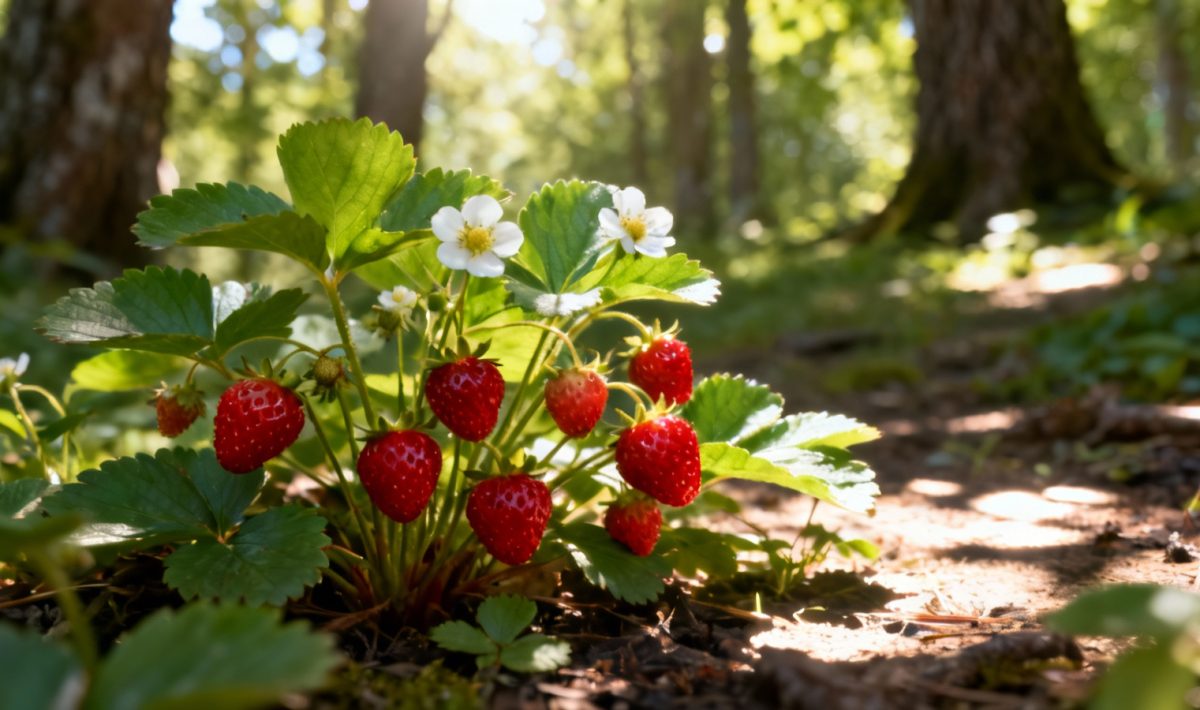
The woodland strawberry thrives in conditions that mirror its natural forest habitat. Unlike its commercial cousins, this plant has adapted to grow in dappled sunlight and partial shade. However, finding the right balance of light exposure will determine whether your strawberry plants flourish or struggle to produce those sweet, tiny fruits we all love.
Woodland strawberries need approximately 4-6 hours of direct sunlight daily for optimal fruit production. This means they fall into the category of partial sun to partial shade plants, making them incredibly versatile for different garden locations. The key is providing enough light for photosynthesis while protecting them from harsh afternoon sun that can stress the delicate foliage.
These remarkable plants can tolerate more shade than regular strawberry varieties, which typically require 6-8 hours of full sun. This adaptation makes them perfect for woodland gardens, under fruit trees, or in spots where other strawberry types might struggle. The natural habitat of Fragaria vesca includes forest edges and clearings where filtered light creates ideal growing conditions.
Morning sunlight proves particularly beneficial for woodland strawberries. The gentle rays help with germination and early growth while avoiding the intense heat that can damage leaves and flowers. Many successful gardeners position their strawberry patches to receive morning sun followed by afternoon shade for best results.
How much sunlight does woodland strawberry need for fruit production
Fruit development requires a careful balance of light and protection. While woodland strawberries can survive in deeper shade, fruit production significantly decreases with less than 3-4 hours of direct sunlight. The plant will focus energy on foliage growth rather than developing those precious small fruits that make this variety so special.
Peak flowering and fruiting occur when plants receive consistent morning light followed by dappled afternoon shade. This pattern mimics their natural environment where canopy trees filter harsh midday sun while allowing sufficient light for photosynthesis. Gardeners who provide these conditions often report abundant harvests of flavorful alpine strawberries throughout the growing season.
Comparing light needs across different plant types can help with garden planning. For instance, understanding optimal sunlight for mock strawberries reveals how similar ground-covering plants adapt to various light conditions in woodland settings.
Maximizing light exposure for healthy plants
Strategic placement makes all the difference when growing woodland strawberries from seeds or established plants. Choose locations that receive gentle morning light but avoid spots with intense afternoon sun, especially in warmer climates. East-facing slopes or areas beneath deciduous trees work exceptionally well for this type of strawberry cultivation.
Soil preparation plays a crucial role in light utilization. Rich, well-draining soil helps plants make the most of available light for healthy growth. Adding organic matter like peat or compost improves soil structure and provides nutrients that support vigorous plant development even in partial shade conditions.
Consider companion planting to create optimal growing environments. Plants like woodland sage share similar light requirements and can help create beneficial microclimates. These partnerships often result in healthier gardens where all plants thrive together.
Recognizing light-related problems
Too little light causes woodland strawberry plants to become leggy and produce fewer flowers. You’ll notice stretched stems, pale green leaves, and reduced fruit set when plants don’t receive adequate sunlight. Conversely, excessive direct sun can scorch leaves and stress plants, particularly during hot summer months.
Monitoring your plants throughout the growing season helps identify light-related issues early. Healthy woodland strawberries display compact growth, deep green foliage, and regular flowering patterns. If problems arise, consider relocating plants or adjusting shade structures to optimize light exposure.
Seasonal light considerations
Light requirements change throughout the year as sun angles shift and deciduous trees leaf out or drop their foliage. Spring provides ideal conditions when trees are just budding and sunlight penetrates easily to ground level. Summer brings the challenge of managing increased light intensity while maintaining adequate moisture levels.
Fall and winter present unique opportunities for woodland strawberry cultivation. Reduced canopy cover allows more light to reach plants during shorter days, while cooler temperatures prevent heat stress. Many experienced gardeners time their planting and care activities around these seasonal light variations for maximum success.
Growing tips for different light conditions
Adapting your growing approach based on available light ensures healthy strawberry plants regardless of garden conditions. In shadier locations, focus on soil improvement and regular feeding to support plant vigor. Well-fed plants utilize available light more efficiently and produce better yields even with reduced sun exposure.
Gardeners dealing with varying light conditions might benefit from understanding how different crops respond to similar challenges. Learning about successful growth of rutabagas or cultivation tips for oregano growth provides valuable insights for managing diverse garden spaces effectively.
Container growing offers excellent control over light exposure for woodland strawberries. You can move pots to optimize sunlight throughout the day or season, ensuring plants receive ideal conditions year-round. This flexibility proves especially valuable for gardeners with limited suitable planting areas.
Tools for measuring light levels
Understanding actual light conditions in your garden helps make informed planting decisions. Simple observations work well for most gardeners – note which areas receive morning sun, afternoon shade, and how light patterns change seasonally. More precise gardeners might invest in light meters to measure exact exposure levels.
Smartphone apps can provide basic light measurements, though professional photometers offer greater accuracy for serious gardeners. However, observing plant response often proves more valuable than exact measurements. Healthy, productive strawberry plants indicate optimal light conditions better than any instrument.
Troubleshooting common light-related issues
Poor fruit production often stems from inadequate light rather than other growing problems. Before adjusting watering, fertilizing, or pest management, evaluate whether your woodland strawberries receive sufficient daily sunlight. Simple changes like pruning overhead branches can dramatically improve growing conditions.
Yellowing leaves might indicate either too much or too little light, making careful observation essential for proper diagnosis. Gradual yellowing from the bottom up suggests natural aging, while sudden yellow patches often indicate sun scorch or other stress factors requiring immediate attention.
Creating the perfect environment for woodland strawberries involves balancing multiple factors including light, moisture, nutrients, and temperature. With proper attention to sunlight requirements, these delightful plants will reward gardeners with years of sweet, fragrant fruits and attractive ground cover that enhances any garden space.
Allan is a lifelong gardening enthusiast who still gets excited when the first seedlings pop up in spring. With a deep love for nature and a hands-in-the-soil approach, he shares practical tips, plant discoveries, and clever tricks picked up over years of digging, planting, and observing. Whether you’re a new gardener or have a shed full of tools, Allan writes like a neighbor who’s always happy to swap cuttings and stories over the fence.
You can find more about Allan’s work on Malt or connect with him on LinkedIn.