How much sunlight does woodland strawberry need for optimal growth
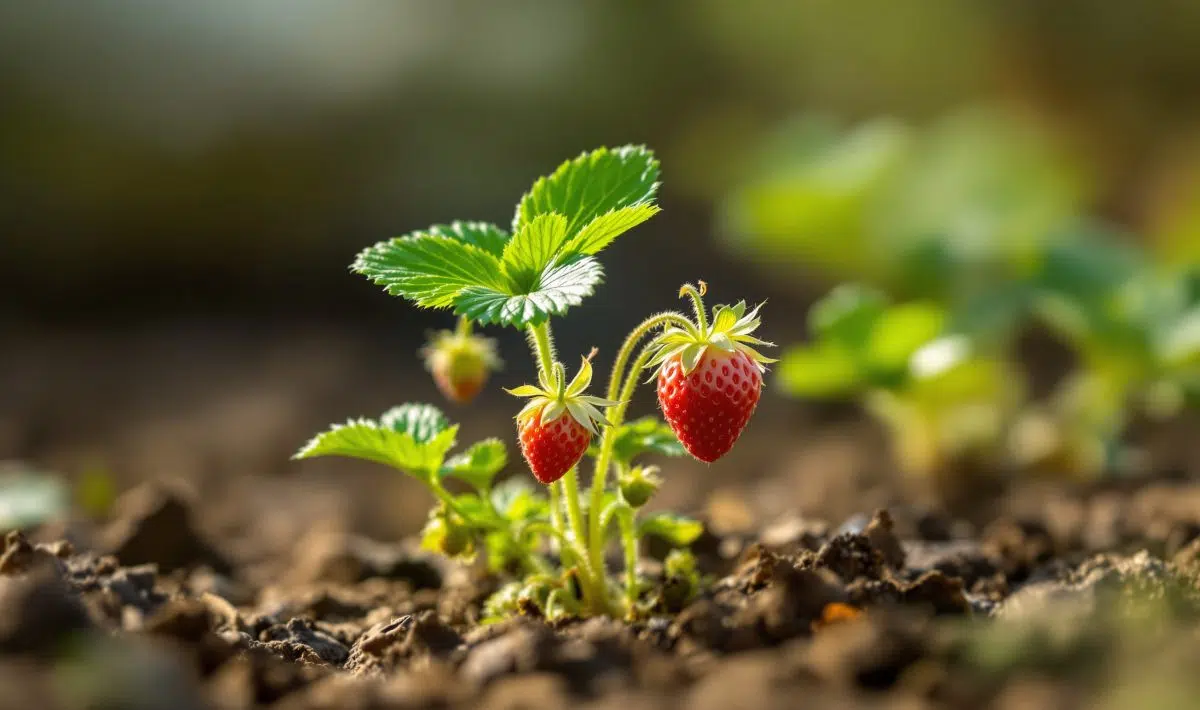
Woodland strawberry plants have captured the hearts of gardeners everywhere with their delicate white flowers and intensely flavored small fruits. These charming alpine strawberries, scientifically known as Fragaria vesca, offer a delightful alternative to their larger commercial cousins. Understanding their sunlight needs is crucial for anyone hoping to enjoy a successful harvest of these sweet, aromatic berries.
Woodland strawberries thrive best with at least 6 hours of direct sunlight daily, though they’ll reward you with even better fruit production when given 8 hours or more. Unlike some plants that struggle with intense light, these hardy perennials actually benefit from generous sun exposure. The more sunlight they receive, the sweeter and more abundant their fruits will be.
These plants show remarkable adaptability when it comes to light conditions. While they can tolerate partial shade and will still grow in areas receiving only 3-4 hours of direct sun, their fruit production significantly decreases in such conditions. For gardeners aiming for the best possible harvest, full sun exposure remains the gold standard.
Comparing sunlight needs with other garden plants
When planning your garden layout, it’s helpful to understand how woodland strawberries compare to other crops. Much like sunlight requirements for healthy catnip growth, these berries prefer abundant light for optimal development. Similarly, optimal sunlight for growing thyme shares comparable requirements, making these plants excellent companions in sunny garden spots.
The intensity of sunlight directly affects fruit quality in woodland strawberries. Plants grown in full sun develop fruits with higher sugar content, more intense flavor, and better nutritional density. This principle applies to many fruiting plants, including ideal sunlight for cantaloupe production, where adequate light exposure determines both yield and taste quality.
Seasonal considerations for woodland strawberry cultivation
Throughout the growing season, woodland strawberries maintain their appetite for sunlight. Spring emergence benefits from warm, direct rays that encourage rapid growth and early flowering. Summer sunshine powers the photosynthesis needed for continuous fruit production, while autumn light helps plants store energy for winter survival.
During peak growing months, aim to provide your strawberry plants with morning sun exposure, which helps dry dew from leaves and prevents fungal diseases. Afternoon sun, while beneficial for fruit development, can be intense during summer heat waves. In such cases, light afternoon shade won’t significantly harm production if morning light is abundant.
Optimizing garden placement for maximum light
Choose your planting location carefully to maximize sunlight exposure. South-facing slopes or garden beds typically receive the most consistent light throughout the day. Avoid areas near large trees, buildings, or structures that cast shadows during peak daylight hours. Even plants with modest light needs, such as sunlight needs for healthy onion plants, compete for the same prime real estate in your garden.
Container growing offers excellent flexibility for light optimization. You can move pots throughout the season to follow the sun’s path or relocate them if nearby vegetation grows and creates unwanted shade. This mobility proves particularly valuable for apartment dwellers or those with limited garden space.
Signs of inadequate sunlight exposure
Woodland strawberries clearly communicate their light satisfaction through their growth patterns. Plants receiving insufficient sunlight develop elongated stems, pale green foliage, and sparse flowering. Fruit production drops noticeably, and any berries that do develop often lack the characteristic intense sweetness.
Healthy, well-lit plants display compact growth habits with deep green leaves and abundant white flowers. The contrast becomes even more apparent when comparing them to shade-loving ornamentals like light conditions for vibrant petunia flowers, which have entirely different light preferences and growth characteristics.
Practical tips for light management
Regular monitoring helps ensure your strawberry plants receive adequate light throughout the growing season. Walk through your garden at different times of day to identify potential shading issues. Nearby vegetation grows and changes throughout the season, potentially blocking light that was previously available.
Pruning surrounding plants can dramatically improve light access for your strawberries. Remove lower branches from nearby shrubs or thin overcrowded perennials that might compete for sunlight. This simple maintenance often makes the difference between mediocre and exceptional fruit production.
Reflective mulches, such as light-colored stone or specialized garden films, can boost light levels around your plants. These materials reflect additional light upward onto the lower leaves and developing fruits, effectively increasing the total light energy available for photosynthesis and fruit development.
Troubleshooting common light-related problems
If your woodland strawberries aren’t producing well despite adequate watering and soil conditions, insufficient light is often the culprit. Before adding fertilizers or changing other growing conditions, evaluate whether your plants truly receive 6-8 hours of direct sunlight daily.
Plants that receive adequate morning light but are shaded during afternoon hours typically perform better than those with the reverse pattern. Morning sun helps dry foliage and provides energy for the day’s photosynthesis, while some afternoon shade can actually protect plants during extreme heat periods.
Remember that light quality matters as much as quantity. Filtered light through thin tree canopies may seem bright but often lacks the intensity needed for optimal fruit production. When in doubt, choose the brightest available location for your woodland strawberry plants, and they’ll reward you with abundant, flavorful harvests season after season.
Allan is a lifelong gardening enthusiast who still gets excited when the first seedlings pop up in spring. With a deep love for nature and a hands-in-the-soil approach, he shares practical tips, plant discoveries, and clever tricks picked up over years of digging, planting, and observing. Whether you’re a new gardener or have a shed full of tools, Allan writes like a neighbor who’s always happy to swap cuttings and stories over the fence.
You can find more about Allan’s work on Malt or connect with him on LinkedIn.