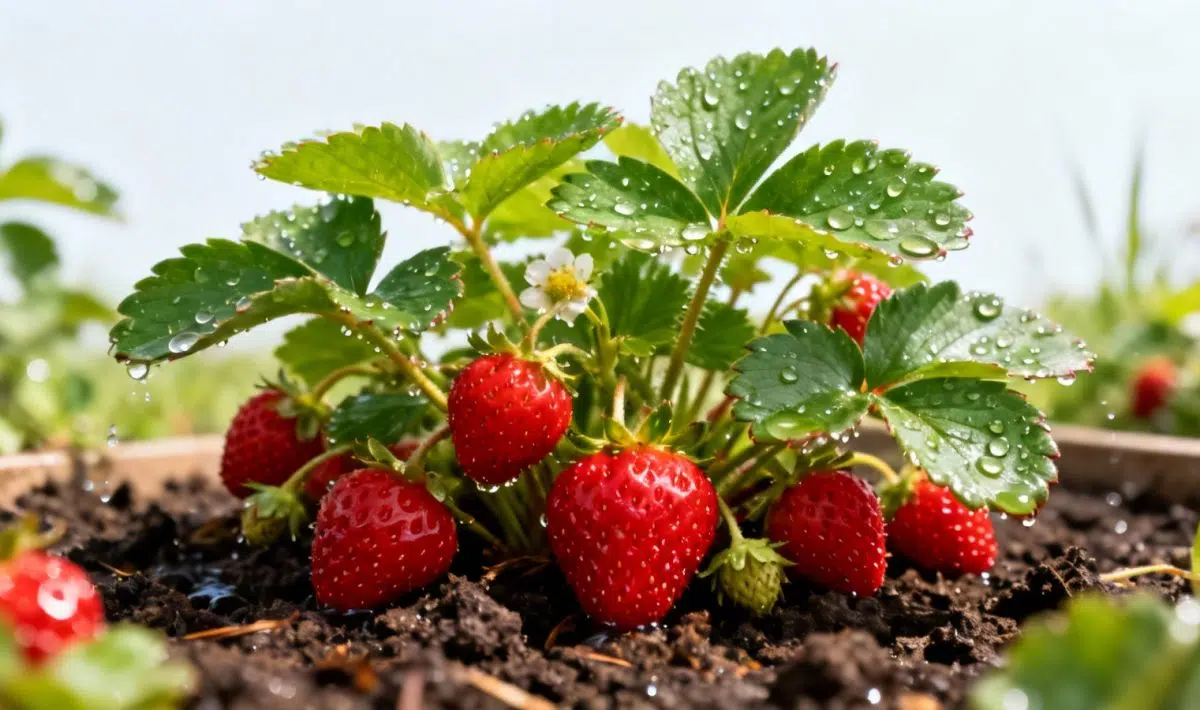
How often should you water your woodland strawberry plants for optimal growth
Growing woodland strawberries brings the delightful taste of wild berries right to your garden. These compact, hardy plants produce small but intensely flavored fruits that make them a favorite among gardeners who appreciate authentic flavors. Understanding how often should you water your woodland strawberry plants is crucial for their success, as these plants have specific hydration needs that differ from their cultivated cousins.
Understanding woodland strawberry water requirements
Woodland strawberries, scientifically known as Fragaria vesca, are naturally adapted to forest environments where they receive consistent but gentle moisture from dew and filtered rainfall. They develop shallow root systems that typically extend only 10-30 cm deep into the soil surface. This characteristic makes them particularly sensitive to both drought and waterlogging conditions.
The plant’s water needs vary significantly throughout its growing season. During active growth phases from May through June, these strawberries require more frequent watering to support leaf development and flower formation. However, they also need well-draining soil to prevent root rot and fungal diseases that commonly affect berry plants.
Wild strawberry varieties have evolved to thrive with moderate moisture levels rather than constant saturation. When planning your watering schedule, consider that these plants prefer soil that feels slightly moist to the touch but never soggy or completely dry.
How often should you water your woodland strawberry throughout the seasons
Spring watering begins when new growth appears, typically requiring attention every 2-3 days if natural rainfall is insufficient. As temperatures rise and daylight hours increase, your plants will show more vigorous growth and may need daily watering during particularly warm spells. The key is maintaining consistent soil moisture without creating waterlogged conditions.
Summer months demand the most careful attention to watering schedules. During peak growing season, woodland strawberries may need water every day or every other day, depending on your local climate and soil type. However, this doesn’t mean flooding them with water – gentle, thorough soaking works better than frequent light sprinklings.
Much like other fruit plants, including those requiring different care such as pomegranate watering recommendations, woodland strawberries benefit from consistent moisture rather than erratic watering patterns. Fall watering should gradually decrease as plants prepare for dormancy, while winter typically requires minimal intervention in most climates.
Signs your woodland strawberries need more water
Learning to read your plants prevents both under-watering and over-watering problems. Leaves that appear wilted during the heat of the day but recover in cooler evening hours indicate normal plant behavior. However, leaves that remain droopy throughout cooler periods suggest insufficient moisture.
Examine the soil around your plants regularly by inserting your finger about an inch deep. If the soil feels dry at this depth, it’s time to water. The surface may appear dry while deeper layers retain adequate moisture, so checking beneath the surface prevents unnecessary watering.
Fruit quality also indicates hydration levels. Well-watered woodland strawberries produce plump, juicy berries with intense flavor. Stressed plants often develop smaller, harder fruits that may have concentrated but less appealing taste profiles.
Effective watering techniques for wild strawberries
Morning watering proves most beneficial for woodland strawberries, allowing plants to absorb moisture before daily heat stress begins. Watering early also ensures leaves dry quickly, reducing fungal disease risks that thrive in persistently moist conditions.
Direct water toward the soil rather than spraying leaves and fruits. Drip irrigation or soaker hoses work exceptionally well for berry patches, providing steady moisture delivery without wetting foliage. Hand watering with a watering can also works effectively when you can control water placement precisely.
The amount of water matters as much as frequency. Deep, thorough watering encourages root development and drought tolerance. Light, frequent watering creates shallow root systems that make plants more vulnerable during dry periods.
Soil considerations for optimal watering
Soil composition dramatically affects watering frequency requirements. Sandy soils drain quickly and may require daily watering during warm weather, while clay soils retain moisture longer and might need water only every few days. Testing your soil’s drainage helps determine appropriate watering schedules.
Adding organic matter like compost or aged manure improves soil structure for better moisture retention and drainage balance. Well-amended soil holds adequate water for plant roots while allowing excess to drain away, preventing root rot problems.
Mulching around strawberry plants conserves soil moisture and reduces watering frequency. Organic mulches like straw, leaves, or wood chips also suppress weeds and gradually improve soil quality as they decompose. Just as with other garden plants that have specific moisture needs, such as cabbage watering guidelines for health, proper mulching makes maintenance easier.
Common watering mistakes to avoid
Over-watering ranks among the most frequent problems affecting woodland strawberry cultivation. These plants prefer slightly dry conditions over constantly wet soil, which can lead to root rot and reduced fruit production. If water pools on the soil surface after watering, you’ve likely applied too much.
Inconsistent watering creates plant stress that reduces fruit quality and yield. Alternating between drought and flood conditions confuses plant root systems and may cause fruits to crack or develop poor texture. Establishing regular watering routines benefits both plant health and gardener convenience.
Watering during midday heat wastes water through rapid evaporation and may shock plant roots with sudden temperature changes. Evening watering can promote fungal diseases by keeping plants wet overnight, so morning applications remain the preferred timing.
Seasonal adjustments and special circumstances
New transplants require extra attention during their establishment period, typically needing daily watering for the first week or two until roots develop properly. Once established, they can follow normal watering schedules based on weather and soil conditions.
Container-grown woodland strawberries need more frequent watering than ground-planted specimens because pots dry out faster. Check container plants daily during warm weather, as they may need water twice daily in extreme heat. This principle applies to many potted plants, similar to watering schedule for mock strawberries and other container-grown varieties.
During fruiting periods, maintain consistent moisture to prevent fruit cracking and ensure proper berry development. However, reduce watering slightly as fruits near ripeness to concentrate flavors and prevent diluted taste. This balance requires careful observation and adjustment based on weather conditions.
Troubleshooting water-related problems
Yellow or brown leaf edges often indicate either too much or too little water, making diagnosis challenging. Check soil moisture levels and adjust accordingly, remembering that woodland strawberries prefer moderate, consistent moisture rather than extremes.
Poor fruit set or small berry size may result from water stress during flowering and early fruit development. Ensuring adequate moisture during these critical periods supports better harvests. However, excessive water during ripening can dilute flavors and increase disease susceptibility.
Fungal diseases like gray mold or leaf spot often develop when plants remain wet for extended periods. Improving air circulation around plants and avoiding overhead watering helps prevent these problems while maintaining adequate soil moisture.
Remember that different plants in your garden may have varying water needs, much like optimal watering for scarlet-star plants, so observe each variety carefully to develop appropriate care routines.
Successfully growing woodland strawberries requires understanding their natural preferences for consistent but moderate moisture levels. By monitoring soil conditions, adjusting for seasonal changes, and avoiding common watering mistakes, you can enjoy abundant harvests of these flavorful wild berries. Remember that observation and consistency matter more than rigid schedules when determining how often to water these delightful plants.
Allan is a lifelong gardening enthusiast who still gets excited when the first seedlings pop up in spring. With a deep love for nature and a hands-in-the-soil approach, he shares practical tips, plant discoveries, and clever tricks picked up over years of digging, planting, and observing. Whether you’re a new gardener or have a shed full of tools, Allan writes like a neighbor who’s always happy to swap cuttings and stories over the fence.
You can find more about Allan’s work on Malt or connect with him on LinkedIn.