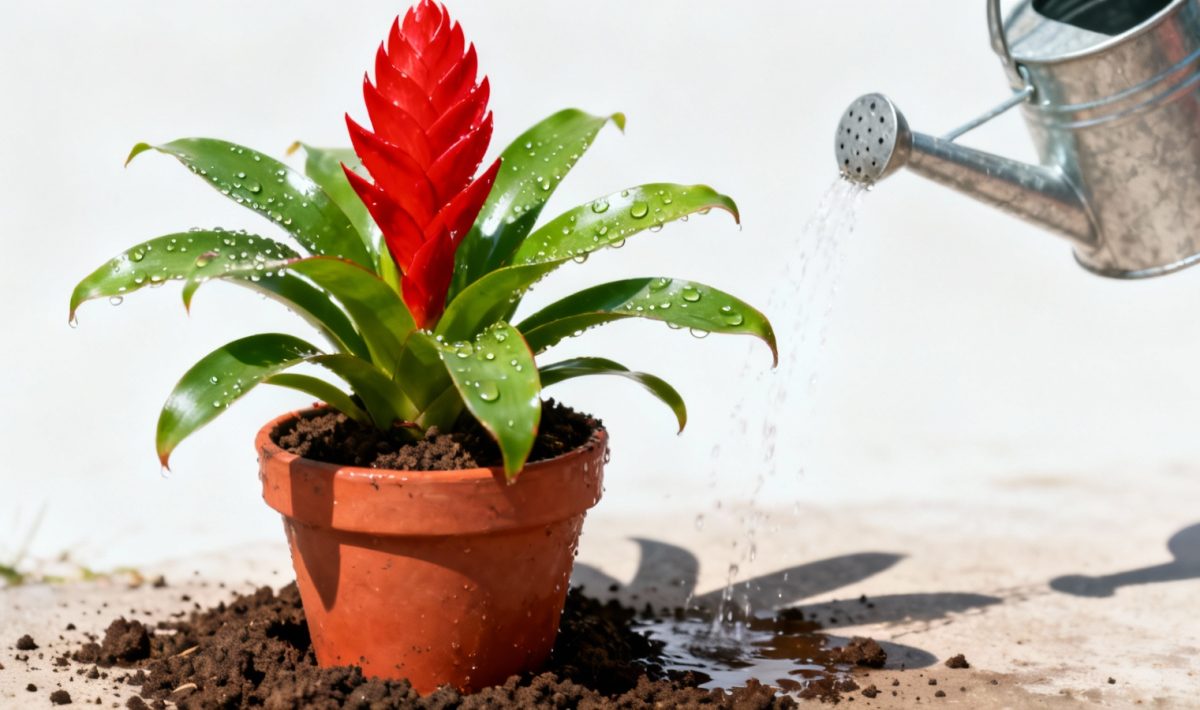
How often should you water your scarlet-star for optimal growth
Your Scarlet-star (Guzmania lingulata) is more than just a houseplant – it’s a tropical dream that can transform any space with its vibrant red blooms. However, getting the watering routine right is crucial for keeping this stunning bromeliad healthy and thriving. Understanding how often should you water your Scarlet-star will make the difference between a flourishing plant and one that struggles to survive.
Understanding your Scarlet-star’s unique watering needs
Unlike traditional houseplants, your Scarlet-star has evolved to live in the humid rainforests where it naturally collects water in its central cup. This tropical beauty requires a completely different approach to watering that mimics its natural habitat. The key is maintaining consistent moisture without creating waterlogged conditions that can lead to root rot.
Several factors influence how often you should water your Scarlet-star. The humidity levels in your home, the season, and the temperature all play important roles in determining your watering schedule. During warmer months, you may need to water more frequently, while cooler periods require less attention. Just as different plants have varying needs – much like understanding the watering frequency for healthy cabbage – your Scarlet-star has its own specific requirements.
How to determine when your Scarlet-star needs water
The best way to know when it’s time to water is by checking the soil moisture and observing your plant’s appearance. Insert your finger about three centimeters into the soil around the base – if it feels dry at this depth, it’s time for watering. This typically occurs every 30 days, but environmental factors may require adjustments to this schedule.
Watch for visual cues that your plant needs attention. The leaves may appear slightly less vibrant, or the central cup may look empty. However, never let your Scarlet-star reach the point where leaves begin to droop, as this indicates severe dehydration that can stress the plant significantly.
Temperature and humidity also affect watering frequency. In dry indoor environments during winter when heating systems are running, you may need to water more often. Conversely, during humid summer months, your plant may require less frequent watering but benefit from increased ambient humidity.
Best practices for watering your Scarlet-star
When you water your Scarlet-star, pour the water directly into the central cup formed by the leaves. This mimics how the plant naturally collects rainwater in its native environment. Use room temperature water that has been allowed to sit for 24 hours to eliminate chlorine, or better yet, use rainwater if available.
Fill the central cup with about an inch of water, allowing any excess to drain into the surrounding soil. Empty the cup every few weeks and refill with fresh water to prevent stagnation and bacterial growth. This process is quite different from other watering routines, similar to how optimal water schedule for corn plants requires specific timing and techniques.
Avoid getting water on the colorful bracts (the red “flower” part) as this can cause them to fade or develop brown spots. Instead, focus your watering efforts on the green leaves and central reservoir. The soil around the base should remain slightly moist but never soggy.
Creating the right environment
Maintaining proper humidity is just as important as correct watering frequency. Your Scarlet-star thrives in humidity levels between 50-80%, with an ideal range around 65%. You can increase humidity by placing a water-filled pebble tray beneath the pot or using a humidifier nearby.
Good drainage is essential for preventing root rot. Ensure your pot has drainage holes and use a well-draining potting mix designed for bromeliads or orchids. The soil should retain some moisture while allowing excess water to escape freely.
Seasonal adjustments and troubleshooting
During spring and summer, your Scarlet-star enters its active growing phase and may require more frequent attention. Check the soil moisture weekly and maintain consistent humidity levels. The warmer temperatures and longer daylight hours encourage growth, which increases the plant’s water needs.
In fall and winter, reduce watering frequency as growth slows down. The plant enters a semi-dormant period where overwatering becomes a greater risk than underwatering. Monitor the central cup and soil moisture, but allow longer intervals between waterings – sometimes up to 6 weeks in cooler months.
Common watering mistakes include filling the central cup too frequently without allowing it to dry out, watering the soil directly instead of the cup, and using cold or heavily chlorinated water. Each plant variety has its preferences, much like understanding watering tips for mock strawberries helps with that specific plant’s care.
Signs of watering problems
Overwatering symptoms include yellowing leaves, soft or mushy base, and a foul smell from the soil. If you notice these signs, immediately stop watering and allow the soil to dry out. You may need to repot if root rot has developed.
Underwatering presents as brown leaf tips, shriveled leaves, and an empty central cup that doesn’t hold water properly. Gradually increase your watering frequency and ensure adequate humidity levels to help your plant recover.
Long-term care for a thriving Scarlet-star
Establishing a consistent routine is key to success with your Scarlet-star. Mark your calendar to check the plant every week, even if you don’t water that often. This regular attention helps you catch problems early and adjust your care as seasons change.
Remember that each Scarlet-star is unique, and environmental factors in your home will influence its needs. What works perfectly in one location may require adjustments in another. Pay attention to how your plant responds and be willing to modify your approach accordingly, just as you would when learning best watering practices for tansy ragwort or any specialized plant care.
With proper watering techniques and attention to your plant’s signals, your Scarlet-star will reward you with its stunning display for months to come. The vibrant red bracts and healthy green foliage will be a constant reminder that you’ve mastered the art of caring for this tropical beauty. Trust in the process, observe your plant carefully, and enjoy the satisfaction of nurturing one of nature’s most spectacular houseplants.
Allan is a lifelong gardening enthusiast who still gets excited when the first seedlings pop up in spring. With a deep love for nature and a hands-in-the-soil approach, he shares practical tips, plant discoveries, and clever tricks picked up over years of digging, planting, and observing. Whether you’re a new gardener or have a shed full of tools, Allan writes like a neighbor who’s always happy to swap cuttings and stories over the fence.
You can find more about Allan’s work on Malt or connect with him on LinkedIn.