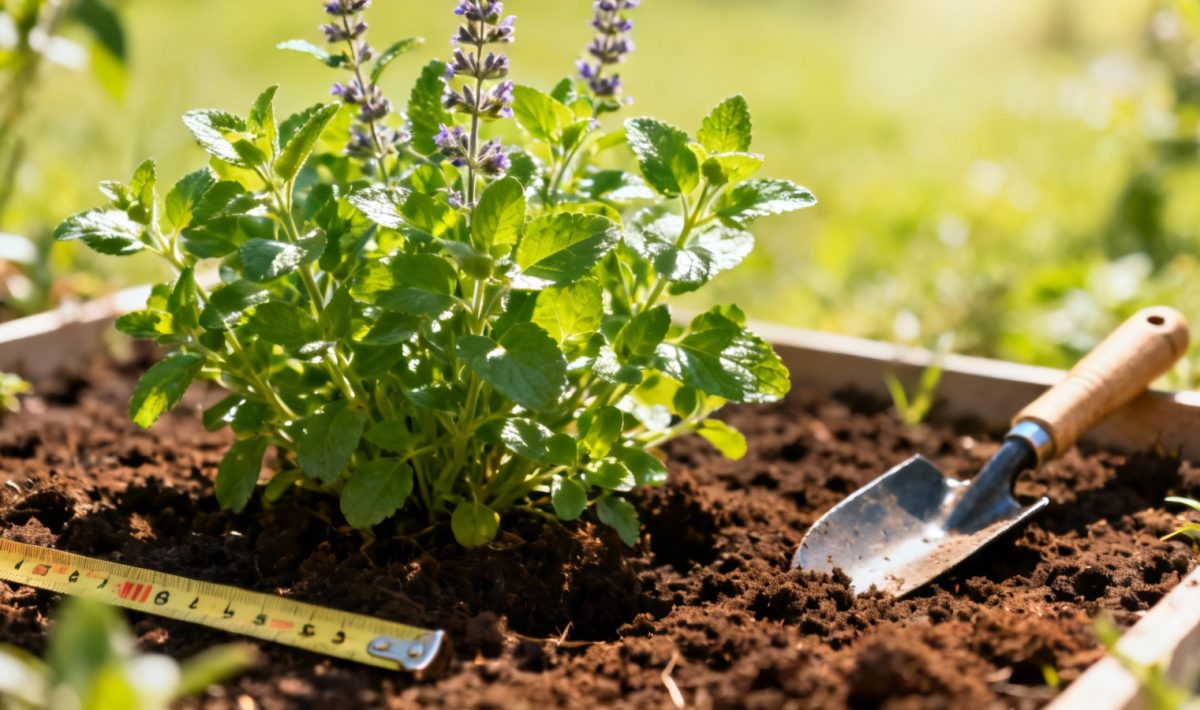
Catmint, scientifically known as Nepeta, is a delightful perennial herb that captures gardeners’ hearts with its aromatic foliage and charming blooms. Understanding how much sunlight does catmint need is crucial for achieving the lush, healthy plants you desire. This versatile herb belongs to the mint family and offers numerous varieties, each with slightly different characteristics but similar growing needs.
Most catmint varieties thrive in full sun conditions, requiring at least six hours of direct sunlight daily for optimal growth. However, these adaptable plants can tolerate partial shade, making them excellent choices for various garden locations. The plant produces stunning purple, blue, or white flowers that attract beneficial pollinators while naturally repelling unwanted pests.
When selecting seeds for your garden, you’ll find that quality graines from reputable sellers make a significant difference in germination success. The plant’s robust nature means it performs well in USDA zones 4-8, adapting to different climate conditions with proper care.
Optimal Sunlight Conditions for Healthy Growth
For catmint to flourish, providing the right amount of sunlight is essential. Most Nepeta varieties perform best with six to eight hours of direct sunlight each day. This generous sun exposure promotes vigorous flowering, compact growth, and the development of those wonderfully aromatic oils that make catmint so appealing to cats and gardeners alike.
Full sun exposure helps catmint develop strong stems and prevents the leggy growth often seen in shaded conditions. The intense light also enhances the production of essential oils, resulting in more fragrant foliage. However, in extremely hot climates, afternoon shade can actually benefit the plant by preventing stress during peak heat hours.
When they receive adequate sunlight, catmint plants develop dense, bushy growth with abundant flower production. The blooms typically last from late spring through early fall, providing continuous color in your garden. You can ensure consistent performance by choosing varieties suited to your specific growing conditions and climate.
Managing Partial Shade Conditions
While catmint prefers full sun, it demonstrates remarkable adaptability to partial shade environments. Plants receiving four to six hours of sunlight daily can still thrive, though with some adjustments to growth patterns. In partial shade, expect slightly less dense flowering and potentially more open growth habits.
The key to success in partial shade lies in choosing the right varieties and providing optimal growing conditions. Some cultivars, such as ‘Walker’s Low’ and certain Nepeta mussinii selections, tolerate shade better than others. These adaptable plants maintain their essential characteristics even with reduced light exposure.
When growing catmint in partial shade, ensure good air circulation around plants to prevent moisture-related issues. The soil should drain well, as plants in shadier locations are more susceptible to root problems from excess moisture. Similar growing principles apply to other sun-loving plants like those discussed in guides about sunlight requirements for trumpet creeper, which also benefits from proper light management.
Signs of Inadequate Sunlight
Recognizing when your catmint isn’t receiving enough sunlight helps you make necessary adjustments for better plant health. Insufficient light typically manifests as leggy, weak growth with elongated stems reaching toward available light sources. The distinctive compact, bushy form of healthy catmint becomes lost when plants struggle for adequate illumination.
Reduced flowering is another clear indicator of light deficiency. Plants may produce fewer blooms or flowers that appear smaller and less vibrant than expected. The aromatic foliage may also lose some of its characteristic fragrance when grown in too much shade.
Additionally, plants receiving insufficient light often appear pale or yellowish compared to those grown in proper conditions. This chlorosis indicates the plant’s struggle to photosynthesize effectively. If you notice these symptoms, consider relocating your catmint to a sunnier spot or removing nearby obstacles blocking light access.
Seasonal Light Considerations
Catmint’s light requirements remain fairly consistent throughout the growing season, but understanding seasonal variations helps optimize plant performance. During spring emergence, plants benefit from strong morning sunlight to encourage vigorous new growth. As temperatures rise in summer, some protection from intense afternoon sun can prevent stress, particularly in hot climate zones.
Fall sunlight helps plants prepare for dormancy by encouraging strong root development and energy storage. Even during this period, maintaining adequate light exposure supports the plant’s natural cycle. Winter dormancy doesn’t require active light management, as most varieties naturally die back to ground level.
Many gardeners find success growing complementary plants alongside catmint, creating diverse garden spaces. Understanding light needs helps when planning combinations, much like learning about healthy growth of common yarrow, which shares similar growing preferences.
Variety-Specific Light Preferences
Different catmint varieties exhibit slight variations in their sunlight preferences, allowing you to select cultivars best suited for your specific garden conditions. ‘Walker’s Low’, one of the most popular selections, tolerates both full sun and partial shade while maintaining excellent performance. This award-winning variety reaches 18-24 inches in height with a spreading habit.
Nepeta grandiflora varieties typically prefer full sun conditions and reward gardeners with larger flowers and more robust growth. These taller selections, reaching 30-36 inches, create impressive garden displays when provided with adequate light. Their substantial size makes them excellent background plants in mixed borders.
For gardeners dealing with challenging growing conditions, understanding plant requirements becomes even more important. This applies whether you’re growing catmint or planning for larger specimens like those covered in discussions about optimal sunlight for american sycamore. Each plant species has evolved specific needs that gardeners must respect for success.
Soil and Drainage Interactions
The relationship between sunlight and soil conditions significantly impacts catmint success. Well-draining soil becomes even more critical in full sun locations, where intense heat can stress plants if roots remain waterlogged. Sandy or loamy soils work exceptionally well, allowing excess moisture to escape while retaining enough nutrients for healthy growth.
In sunny locations, organic matter additions help retain some moisture during hot periods without creating drainage problems. Compost or well-aged manure improves soil structure while providing slow-release nutrients. This balanced approach supports vigorous growth without encouraging the soft, weak growth associated with over-fertilization.
Poor drainage combined with full sun exposure creates particularly challenging conditions. Plants may wilt during hot days even when soil appears moist, as root problems prevent proper water uptake. Addressing drainage issues before planting ensures your catmint investment thrives for years to come.
Practical Growing Tips for Success
Successful catmint cultivation starts with proper site preparation and continues with attentive care throughout the growing season. Choose locations receiving morning sun, as this early light helps dry dew from foliage and reduces disease pressure. Morning sun also provides essential energy for photosynthesis without the intense heat of afternoon exposure.
Spacing plants appropriately ensures each individual receives adequate light and air circulation. Overcrowded plantings create shade and increase humidity around lower foliage, potentially leading to fungal problems. Most catmint varieties need 18-24 inches between plants for optimal development.
Regular maintenance, including deadheading spent flowers and annual pruning, helps maintain plant vigor and appearance. These practices also encourage continued flowering and prevent self-seeding in areas where you don’t want additional plants. Even common garden plants benefit from understanding their specific needs, similar to how gardeners approach healthy sunlight for common dandelion management in their landscapes.
Maximizing Garden Performance
Creating the ideal environment for catmint involves balancing sunlight with other growing factors for exceptional results. Proper plant placement considers not only current light conditions but also how nearby trees or structures might change shade patterns as they grow or seasons progress. Planning ahead prevents future problems and ensures long-term garden success.
Companion planting works wonderfully with catmint, as its sunlight requirements align well with many popular garden plants. Roses, lavender, and ornamental grasses create beautiful combinations while sharing similar cultural needs. These partnerships maximize garden space while creating visually appealing displays.
Understanding that quality seeds and proper growing conditions work together helps gardeners achieve their goals more effectively. When you provide catmint with its preferred six to eight hours of daily sunlight, combined with well-draining soil and appropriate spacing, you create conditions for exceptional garden performance that will bring joy for many seasons to come.
Allan is a lifelong gardening enthusiast who still gets excited when the first seedlings pop up in spring. With a deep love for nature and a hands-in-the-soil approach, he shares practical tips, plant discoveries, and clever tricks picked up over years of digging, planting, and observing. Whether you’re a new gardener or have a shed full of tools, Allan writes like a neighbor who’s always happy to swap cuttings and stories over the fence.
You can find more about Allan’s work on Malt or connect with him on LinkedIn.