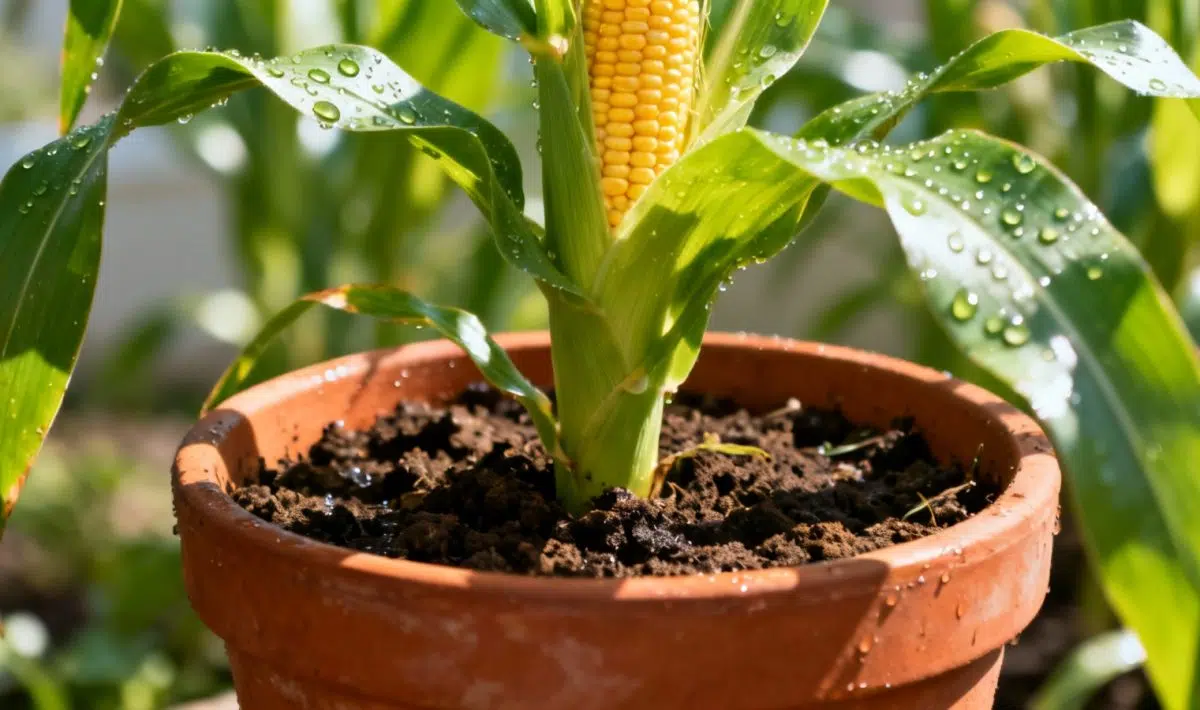
Understanding your corn plant’s watering needs
When it comes to growing corn successfully, understanding how often should you water your corn plant is absolutely crucial for achieving healthy growth and good yields. The watering frequency depends on several factors including plant stage, weather conditions, and soil type. Generally speaking, corn requires consistent moisture throughout its growing season, but the amount and frequency will vary significantly as your plants develop.
Young corn seedlings need more frequent but lighter watering sessions compared to mature plants. During the germination phase, seeds require steady moisture to sprout properly – typically every 2-3 days if rainfall is insufficient. Once your corn plants establish themselves, you can adjust to deeper, less frequent watering sessions that encourage strong root development.
The key is maintaining consistent soil moisture without creating waterlogged conditions. Corn plants hate wet feet, so good drainage is essential. You should aim for soil that feels like a wrung-out sponge – moist but not soggy. This balance helps prevent common issues like root rot while ensuring your plants get the hydration they need.
Climate factors that affect watering frequency
Weather conditions play a huge role in determining your watering schedule. During hot, dry spells, your corn will need water more frequently – sometimes daily for young plants. Conversely, during cooler periods or rainy weeks, you might not need to water at all for several days.
Wind also affects how quickly soil dries out. Windy conditions can dramatically increase water loss through evaporation, requiring more frequent watering sessions. Similarly, if you’re growing corn in containers or raised beds, these tend to dry out faster than ground-planted corn and will need more attention.
Temperature fluctuations throughout the day also impact watering needs. Just like caring for other garden vegetables such as watering guidelines for cabbage plants, corn requires adjustment based on seasonal changes and daily weather patterns.
Different corn varieties and their water requirements
Not all corn varieties have identical watering needs. Sweet corn tends to be more demanding than field corn when it comes to consistent moisture. The reason is simple – sweet corn is harvested earlier and needs steady growth to develop those tender, juicy kernels we all love.
Some heritage varieties are naturally more drought-tolerant than modern hybrids. These older types often have deeper root systems that can access moisture from lower soil levels. However, they typically take longer to mature and may produce smaller ears.
Dwarf corn varieties, perfect for container gardening, need more frequent watering due to their confined root space. These compact plants can dry out quickly, especially during warm weather, requiring daily attention during peak growing season.
Proper watering techniques for corn plants
The best time to water your corn is early morning, ideally between 6 and 10 AM. This timing allows plants to absorb moisture before the heat of the day while giving leaves time to dry off, reducing disease risk. Evening watering can work too, but avoid watering late at night when leaves might stay wet for extended periods.
Water deeply rather than frequently with shallow applications. A good soaking that penetrates 6-8 inches into the soil encourages roots to grow downward, making plants more resilient during dry spells. Light, frequent watering creates shallow root systems that are vulnerable to drought stress.
Apply water directly to the soil around the base of plants rather than overhead spraying. This method reduces water loss through evaporation and keeps foliage dry, preventing fungal diseases. A soaker hose or drip irrigation system works excellently for corn rows.
Recognizing signs of proper hydration
Well-watered corn plants display vibrant green foliage that stands upright during the day. The leaves should feel firm and turgid when gently squeezed. Properly hydrated soil will feel moist 2-3 inches below the surface when you stick your finger into it.
Watch for these positive indicators: steady growth, leaves that don’t wilt during hot afternoons, and good color throughout the plant. These signs tell you your watering schedule is working well and your corn is thriving.
Interestingly, proper watering techniques can be adapted from other plant care practices. For instance, learning about watering needs of variegated snake plants can teach you valuable lessons about checking soil moisture levels that apply to corn as well.
Common watering mistakes to avoid
One of the biggest mistakes gardeners make is inconsistent watering. Corn plants suffer when they experience dramatic wet-dry cycles. This stress can cause poor pollination, reduced kernel development, and increased susceptibility to pests and diseases.
Overwatering is just as problematic as underwatering. Soggy soil suffocates roots and creates perfect conditions for root rot and fungal infections. If you notice yellowing leaves, stunted growth, or a sour smell coming from the soil, you’re likely watering too much.
Another common error is watering too late in the growing season. Once corn enters its final ripening phase, excessive water can actually dilute the sugars in sweet corn and delay maturity. Reduce watering frequency as harvest approaches, but don’t let plants become severely stressed.
Seasonal watering adjustments for optimal growth
Spring watering focuses on encouraging germination and early growth. Seeds need consistent moisture but not waterlogged conditions. Water every 2-3 days if natural rainfall is insufficient, applying about half an inch of water each time.
Summer brings the most intensive watering period. Mature corn plants can consume up to an inch of water per week during peak growing season. This is especially critical during tasseling and silk development when water stress can dramatically reduce yields. Monitor soil moisture daily and adjust accordingly.
Fall watering requirements decrease as corn approaches maturity. Focus on maintaining adequate moisture without overdoing it. As with other seasonal crops like care tips for Eve’s pin plant, adjusting your watering routine based on plant development stages is crucial for success.
Tools and techniques for efficient watering
A moisture meter takes the guesswork out of watering decisions. These inexpensive tools provide accurate readings of soil moisture levels at root depth, helping you water only when necessary. Insert the probe 4-6 inches into the soil near your corn plants for the most reliable readings.
Mulching around corn plants helps retain soil moisture and reduces watering frequency. Apply 2-3 inches of organic mulch like straw, grass clippings, or shredded leaves around plants, keeping mulch a few inches away from stalks to prevent pest problems.
Drip irrigation systems offer the most efficient watering method for corn. These systems deliver water directly to root zones with minimal evaporation loss. You can set them on timers for consistent, automated watering that adapts to your plants’ needs throughout the growing season.
Troubleshooting watering problems
If your corn leaves are wilting during hot afternoons but recovering by evening, this is normal behavior and doesn’t necessarily indicate water stress. However, if plants remain wilted in the morning or evening, increase watering immediately.
Brown leaf tips often indicate inconsistent watering or salt buildup in the soil. Ensure you’re providing steady moisture and consider testing your soil if problems persist. Sometimes switching to rainwater instead of tap water can resolve mineral-related issues.
Poor kernel development despite adequate water might indicate timing problems. Corn is particularly sensitive to water stress during pollination. Much like understanding best watering practices for mock strawberries requires attention to fruiting stages, corn demands extra attention during reproductive phases.
Advanced watering strategies for maximum yields
Consider implementing a deep watering schedule that mimics natural rainfall patterns. Instead of light daily watering, provide thorough soakings every 3-4 days during normal weather. This approach encourages deeper root development and better drought tolerance.
Monitor your local weather forecast to optimize watering timing. If rain is expected within 24-48 hours, you can often skip a scheduled watering session. This prevents overwatering and saves water resources while maintaining plant health.
For gardeners in arid regions, consider morning and evening watering sessions during extreme heat. Split your daily water allocation between these cooler periods to maximize absorption and minimize evaporation losses. This technique works particularly well for container-grown corn.
Understanding proper watering extends beyond corn to other garden plants as well. Learning about watering tips for tansy ragworts can provide additional insights into reading plant signals and adjusting care accordingly.
Creating a sustainable watering routine
Develop a weekly watering schedule based on your local climate patterns and soil type. Keep a garden journal noting rainfall amounts, temperatures, and plant responses to different watering frequencies. This information becomes invaluable for improving your technique each growing season.
Install rain gauges to track natural precipitation accurately. Many gardeners underestimate how much water their plants receive from rainfall, leading to unnecessary supplemental watering. A simple gauge helps you make informed decisions about when additional water is truly needed.
Consider collecting rainwater for your corn plants. Rainwater is naturally soft and free of chlorine and other chemicals found in municipal water supplies. Your corn plants will often respond better to rainwater, showing improved growth and fewer stress symptoms.
Remember that successful corn growing depends on consistent care and attention to your plants’ changing needs. With proper watering techniques, quality seeds, and good soil preparation, you’ll be well on your way to growing healthy, productive corn plants that provide abundant harvests throughout the growing season.

Allan is a lifelong gardening enthusiast who still gets excited when the first seedlings pop up in spring. With a deep love for nature and a hands-in-the-soil approach, he shares practical tips, plant discoveries, and clever tricks picked up over years of digging, planting, and observing. Whether you’re a new gardener or have a shed full of tools, Allan writes like a neighbor who’s always happy to swap cuttings and stories over the fence.
You can find more about Allan’s work on Malt or connect with him on LinkedIn.