
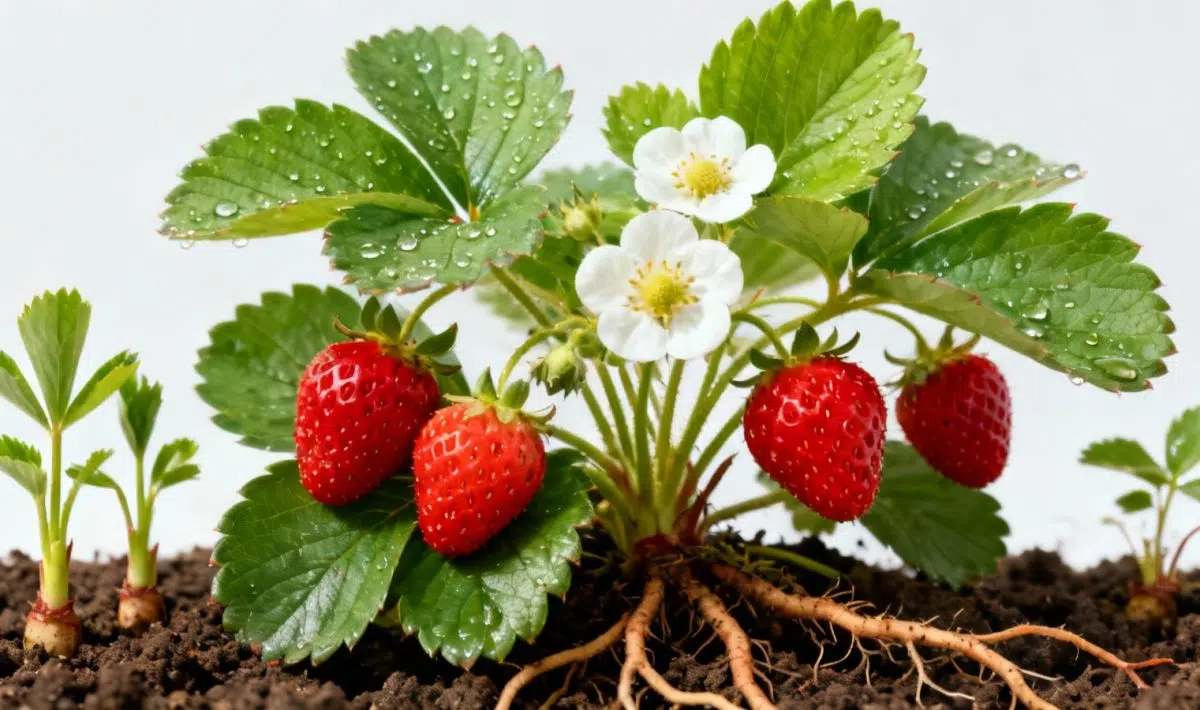
Today, let me share with you everything about the wonderful woodland strawberry, known scientifically as Fragaria vesca. This delightful little plant has been captivating gardeners and foragers for centuries with its intensely aromatic fruits and charming woodland appeal. Unlike commercial strawberry varieties, the woodland strawberry offers a completely different experience – one that’s both rewarding and surprisingly easy to achieve in your own garden.
What makes this plant truly special is its incredible fragrance and flavor profile. The small baies pack an intense, musty-sweet taste that commercial strawberries simply can’t match. Whether you’re looking to add ground cover to a shaded area or want to cultivate something truly unique, Fragaria vesca deserves a spot in every garden enthusiast’s collection.
Understanding the woodland strawberry plant
The woodland strawberry belongs to the rose famille and stands out as a remarkable specimen among wild plantes. This perennial herb typically reaches heights of 5 to 30 centimeters, but what’s fascinating is its ability to spread indefinitely through long aerial runners called stolons. The plante creates a natural carpet effect that makes it perfect for ground cover applications.
The distinctive three-leaflet leaves are serrated and bright green, creating an attractive foliage display even when the plant isn’t fruiting. Small white fleurs appear from spring through early autumn, each featuring five delicate petals surrounding a yellow center. These blooms eventually develop into the prized fruits that make this species so beloved by gardeners worldwide.
One interesting botanical fact is that what we consider the “fruit” isn’t technically the true fruit at all. The tiny seeds visible on the surface are actually the real fruits, while the fleshy, red portion is an enlarged receptacle. This unique structure contributes to the distinctive taste and texture that sets woodland strawberries apart from their commercial cousins.
Optimal growing conditions and culture techniques
Creating the right environment for Fragaria vesca requires understanding its natural habitat preferences. In the wild, these plantes thrive in woodland edges, clearings, and partially shaded areas where dappled sunlight filters through tree canopies. Your jardin can easily replicate these conditions with some thoughtful planning.
The ideal soil composition should be well-draining yet moisture-retentive, with a slightly acidic to neutral pH between 6.0 and 7.0. Rich, humus-filled soil works best, similar to what you’d find on a forest floor. If your garden soil is heavy clay or sandy, amending it with compost or leaf mold will create the perfect growing medium for these delicate plantes.
When it comes to light requirements, woodland strawberries perform beautifully in partial shade to dappled sunlight. While they can tolerate full sun in cooler climates, they prefer protection from intense afternoon heat. This makes them excellent companions for taller plantes or perfect for growing under deciduous trees where they’ll receive spring sunlight before the canopy fills in.
Watering needs are moderate but consistent. The soil should remain evenly moist but never waterlogged, as excessive moisture can lead to root rot and other issues. During dry spells, a deep watering once or twice per week typically suffices, though newly planted specimens may need more frequent attention until established.
Propagation methods for expanding your collection
One of the most exciting aspects of growing Fragaria vesca is how easily it propagates itself. The plant naturally produces runners (stolons) that extend outward from the mother plant and develop new plantlets at their tips. This process creates an ever-expanding carpet of strawberry plantes that can fill large areas over time.
To encourage stolon development, simply allow the runners to make contact with moist soil. Within a few weeks, you’ll notice small roots forming at the nodes where the runner touches the ground. Once these new plantlets are well-established with their own root systems, you can carefully separate them from the mother plant and transplant them to new locations.
Seed propagation offers another reliable method for starting new plantes, though it requires more patience than runner propagation. Collect ripe fruits and extract the seeds by rubbing the berries through a fine mesh strainer. After cleaning the seeds thoroughly, they can be sown directly in seed trays filled with a quality seed-starting mix.
Seeds require a cold stratification period of about 2-3 months to break dormancy. You can achieve this by placing the seeds in slightly moist sand or peat moss inside a sealed container in your refrigerator. After stratification, sow the seeds on the surface of your growing medium and keep them consistently moist until germination occurs, typically within 2-3 weeks.
Seasonal care and maintenance requirements
Spring marks the beginning of active growth for woodland strawberries, making it the perfect time for major maintenance tasks. Remove any dead or damaged foliage from the previous season and apply a thin layer of compost around the plantes. This organic matter will slowly break down throughout the growing season, providing steady nutrition.
During the growing season, maintain consistent moisture levels and watch for common maladies such as powdery mildew or leaf spot. Good air circulation helps prevent these issues, so avoid overcrowding your plantes. If problems do arise, organic fungicides or simple removal of affected foliage usually resolves the situation quickly.
Summer brings the reward of récolte, typically beginning in June and continuing through October with proper care. The small, intensely flavored baies should be picked when fully red and slightly soft to the touch. Unlike commercial strawberries, these fruits are best enjoyed fresh as they don’t store well for extended periods.
As autumn approaches, the plante begins preparing for winter dormancy. Reduce watering frequency and allow the foliage to naturally die back. In colder regions, a light mulch of leaves or straw provides protection from harsh winter conditions, though established plantes generally show good résistance to cold temperatures.
Companion planting and garden integration
Woodland strawberries make excellent companions for shade-loving plantes and can be integrated into various garden styles with beautiful results. They pair wonderfully with hostas, ferns, and other woodland perennials, creating naturalistic plantings that mimic forest floor communities. The low-growing habit makes them perfect for edging pathways or filling spaces between larger specimen plantes.
In terms of spacing, plan for 8-15 plantes per square meter to achieve good coverage without overcrowding. This density allows for natural expansion through runners while maintaining healthy air circulation. Just as oleander care and propagation tips require specific spacing considerations, woodland strawberries benefit from thoughtful placement planning.
Consider incorporating these charming plantes into mixed containers or raised beds where you can better control soil conditions and drainage. They work particularly well in combination with other small-scale edibles like alpine herbs or miniature lettuce varieties, creating productive yet ornamental displays.
Harvesting and culinary applications
The récolte period for Fragaria vesca extends much longer than commercial strawberry varieties, offering continuous picking opportunities from early summer through fall. The key to optimal flavor lies in timing – fruits should be completely red and give slightly to gentle pressure when ready for harvest.
These intensely aromatic baies excel in applications where their concentrated flavor can shine. They make exceptional jams and preserves, requiring less sugar than commercial varieties due to their natural sweetness and complex flavor profile. The intense fragrance also makes them perfect for infusing vinegars, creating flavored waters, or adding to homemade liqueurs.
Fresh consumption remains the most rewarding way to enjoy woodland strawberries. Their concentrated flavor means a small handful provides satisfaction that much larger quantities of commercial fruits might not achieve. They’re particularly delightful when combined with cream, incorporated into fruit salads, or used as garnishes for desserts where their visual appeal matches their exceptional taste.
Similar to how care tips for Philodendron ‘Birkin’ focus on maximizing plant potential, successful woodland strawberry cultivation rewards attention to detail with exceptional produits that commercial varieties simply cannot match.
Troubleshooting common challenges
While generally resilient, woodland strawberries can encounter several common issues that responsive gardeners can easily address. Poor fruit production often indicates insufficient light or nutrition, both easily remedied by adjusting growing conditions or adding organic amendments to the soil.
Slug and snail damage presents another frequent challenge, particularly in moist conditions that these pests favor. Creating barriers using copper tape, diatomaceous earth, or encouraging natural predators like birds and beneficial insects helps maintain healthy fruit production without resorting to harmful chemicals.
Root rot can develop in poorly draining soils, making proper site selection and soil preparation crucial for long-term success. If drainage issues exist, consider raised beds or adding organic matter to improve soil structure. Just as Monstera obliqua care and culture requires attention to moisture management, woodland strawberries thrive with proper water balance.
Overcrowding can lead to reduced air circulation and increased disease pressure. Regular thinning of runners and maintaining appropriate spacing helps prevent most common maladies while encouraging vigorous growth and fruit production.
Seasonal rhythm and long-term garden planning
Understanding the natural rhythm of Fragaria vesca helps create realistic expectations and planning strategies for your garden. These perennial plantes establish slowly in their first year, focusing energy on root development and vegetative growth rather than heavy fruit production.
By the second and third années, expect significantly increased yields as the plantes mature and develop extensive root systems. The self-propagating nature through stolons means your initial investment continues paying dividends as new plantes establish themselves throughout your designated growing area.
Long-term success depends on maintaining soil quality through regular organic matter additions and preventing overcrowding through selective thinning. Unlike high-maintenance garden features, established woodland strawberry patches require minimal intervention once properly established, making them ideal for low-maintenance landscape schemes.
Consider rotation strategies if growing in containers or dedicated beds, as soil renewal every 3-4 years helps maintain optimal growing conditions. This practice, similar to principles used in Southern magnolia care and propagation, ensures continued health and productivity over many années of cultivation.
The woodland strawberry represents one of gardening’s most rewarding experiences – a plante that offers both ornamental value and delicious produits while requiring minimal maintenance once established. Whether you’re creating naturalistic garden spaces or simply want to experience the incredible flavor of truly wild fraises, Fragaria vesca delivers satisfaction that extends far beyond typical garden expectations.

Allan is a lifelong gardening enthusiast who still gets excited when the first seedlings pop up in spring. With a deep love for nature and a hands-in-the-soil approach, he shares practical tips, plant discoveries, and clever tricks picked up over years of digging, planting, and observing. Whether you’re a new gardener or have a shed full of tools, Allan writes like a neighbor who’s always happy to swap cuttings and stories over the fence.
You can find more about Allan’s work on Malt or connect with him on LinkedIn.


