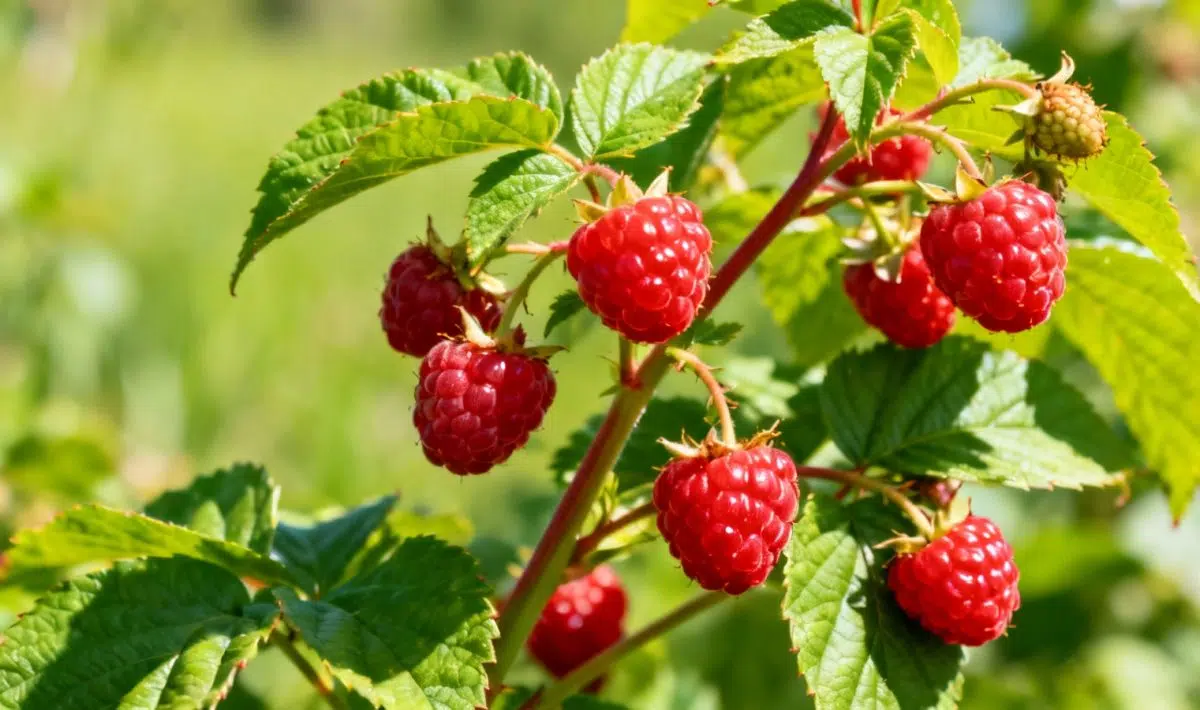
How much sunlight does red raspberry need for optimal growth and sweet fruits
Growing red raspberries can be incredibly rewarding, but understanding how much sunlight does red raspberry need is crucial for a successful harvest. These delicious fruits require specific conditions to thrive and produce those sweet, juicy berries we all love. Whether you’re considering purchasing high-quality raspberry seeds or already have established plants, proper sunlight exposure will make all the difference in your garden’s success.
Essential sunlight requirements for red raspberry plants
Red raspberry plants (Rubus idaeus) need a minimum of 6 hours of direct sunlight daily for optimal growth and fruit production. However, the ideal range falls between 6 to 8 hours of full sun exposure. This amount of sunlight ensures efficient photosynthesis, which directly impacts the sweetness and quality of your raspberry fruit harvest.
When raspberry plants receive adequate sunlight, they develop stronger root systems and produce more robust canes. The enhanced photosynthesis process allows plants to create the sugars necessary for those incredibly flavorful berries that make growing your own raspberries so worthwhile.
Interestingly, just as understanding sunlight requirements for growing catnip helps gardeners succeed with herbs, knowing raspberry light needs ensures better fruit production and plant health.
Impact of sunlight on raspberry fruit quality and production
The relationship between sunlight exposure and fruit quality in red raspberries is remarkable. Plants grown in full sun typically produce larger, sweeter berries with better texture and enhanced flavor profiles. This occurs because adequate sunlight allows the plant to produce more natural sugars through photosynthesis.
Studies show that raspberry plants receiving optimal sunlight can achieve approximately 80% bud break rates on 1.6-meter canes. This impressive statistic translates to more flowers, which ultimately means more delicious fruit for your table or potential vente opportunities if you’re growing commercially.
Additionally, proper sunlight exposure helps reduce disease pressure on raspberry plants. Good air circulation around sun-exposed plants prevents moisture buildup that often leads to fungal issues, ensuring your organic raspberry crop remains healthy throughout the growing season.
Soil and growing conditions for maximum sunlight efficiency
While sunlight is crucial, the type of soil your raspberry plants grow in also affects how efficiently they use that solar energy. Red raspberries prefer well-draining, slightly acidic soil with a pH between 5.5 and 6.5. This soil type allows roots to access nutrients efficiently, supporting the plant’s ability to convert sunlight into energy.
Good drainage prevents waterlogged conditions that can stress plants even when they receive adequate sunlight. When selecting graines for planting, choose varieties suited to your climate zone to ensure they can make the most of available solar exposure throughout the growing season.
Similar to how optimal light for woodland strawberries affects berry production, raspberry plants need consistent moisture without waterlogged conditions to maximize their sunlight utilization.
Planting techniques for optimal sun exposure
When establishing new raspberry plants, strategic placement is essential for maximizing sunlight exposure. Plant your raspberry canes in north-to-south rows to ensure even sun distribution throughout the day. This orientation prevents larger plants from shading smaller ones and promotes uniform growth across your raspberry patch.
Space plants approximately 2-3 feet apart within rows, with 6-8 feet between rows. This spacing allows adequate air circulation while ensuring each plant receives its fair share of direct sunlight. Proper spacing also makes harvesting easier and reduces competition for both sunlight and soil nutrients.
Consider the mature size of your raspberry variety when planning your garden layout. Just as growing garden thyme in sunlight requires thoughtful placement, positioning raspberry plants where they won’t be shaded by buildings, fences, or larger plants ensures consistent light exposure.
Managing partial shade conditions
While full sun is ideal, raspberry plants can tolerate partial shade conditions, though this will impact fruit production and quality. In areas receiving 4-6 hours of direct sunlight, you can still grow raspberries successfully, but expect reduced yields and potentially less sweet fruit.
If your garden has limited full-sun areas, choose the brightest available spot and consider pruning nearby trees or shrubs to increase light penetration. Morning sun is particularly important for raspberry plants as it helps dry dew from leaves, reducing disease risks while providing energy for the day’s growth.
In hot climates, some afternoon shade can actually benefit raspberry plants by protecting them from excessive heat stress. However, ensure they still receive that crucial 6-hour minimum of direct sunlight during cooler morning and late afternoon hours.
Pruning practices to maximize sunlight penetration
Regular pruning is essential for maintaining proper sunlight exposure throughout your raspberry patch. Remove old, unproductive canes each winter to allow new growth access to maximum sunlight. This practice also improves air circulation, which complements the benefits of good solar exposure.
During the growing season, thin overcrowded areas to ensure sunlight reaches all parts of the plant. Remove weak or damaged canes that might shade productive ones. This selective pruning approach helps concentrate the plant’s energy into producing high-quality fruit rather than supporting excess foliage.
Understanding how light requirements for cantaloupe plants influence fruit development can help you appreciate why similar attention to light exposure benefits raspberry cultivation.
Seasonal sunlight considerations
Sunlight availability changes throughout the growing season, and successful raspberry cultivation requires understanding these variations. Spring sunlight is crucial for early growth and flower bud development. As trees leaf out, previously sunny areas might become partially shaded, affecting your plants’ performance.
Summer provides the most intense sunlight, which is excellent for fruit development and ripening. However, in extremely hot regions, providing some afternoon protection while maintaining morning sun exposure can prevent heat stress and maintain fruit quality.
Fall sunlight helps plants prepare for winter dormancy and develop next year’s flower buds. Maintaining good light exposure during autumn ensures strong plant health heading into the dormant season.
Choosing the right raspberry varieties for your sunlight conditions
Different raspberry varieties have slightly varying sunlight needs and heat tolerance. Some cultivars perform better in intense sun, while others tolerate partial shade conditions more successfully. When purchasing seeds or plants, research varieties suited to your specific growing conditions and available sunlight hours.
Everbearing varieties often benefit from consistent sunlight throughout their extended growing season, while summer-bearing types concentrate their energy into one productive period. Consider your garden’s sun exposure patterns when selecting which type fits your situation best.
Just as gardeners learn about sunlight needs for growing onions to choose appropriate varieties, understanding your raspberry options ensures better success with the sunlight conditions you can provide.
Companion planting and sunlight management
Strategic companion planting can help maximize sunlight efficiency in your raspberry patch. Plant shorter crops like herbs or lettuce nearby that won’t compete for overhead sunlight while potentially providing beneficial ground cover. These companions can help retain soil moisture without blocking precious solar exposure.
Avoid planting tall vegetables or flowers directly adjacent to raspberry rows where they might create unwanted shade. Instead, position taller companion plants on the north side of raspberry patches where they won’t interfere with sun exposure.
Similar to how light conditions for garden petunias influence flower garden design, considering light requirements helps create harmonious garden layouts that benefit all plants.
Harvesting and maintaining productive plants
Proper sunlight exposure directly correlates with harvest quality and timing. Well-lit raspberry plants typically produce fruit earlier in the season and continue producing longer than shade-stressed plants. The enhanced photosynthesis from adequate sun exposure creates the sugars that give ripe raspberries their incredible saveur and makes them so valuable for fresh consumption or processing.
Regular monitoring of your plants’ health helps ensure they’re making the most of available sunlight. Look for signs of adequate light exposure such as sturdy cane growth, abundant flowering, and consistent fruit development throughout the productive season.
When harvesting, you’ll notice that berries from well-lit areas often have superior texture, deeper color, and enhanced sweetness compared to those from shadier locations. This difference in quality makes proper sunlight management essential for anyone serious about growing premium raspberries.
Allan is a lifelong gardening enthusiast who still gets excited when the first seedlings pop up in spring. With a deep love for nature and a hands-in-the-soil approach, he shares practical tips, plant discoveries, and clever tricks picked up over years of digging, planting, and observing. Whether you’re a new gardener or have a shed full of tools, Allan writes like a neighbor who’s always happy to swap cuttings and stories over the fence.
You can find more about Allan’s work on Malt or connect with him on LinkedIn.