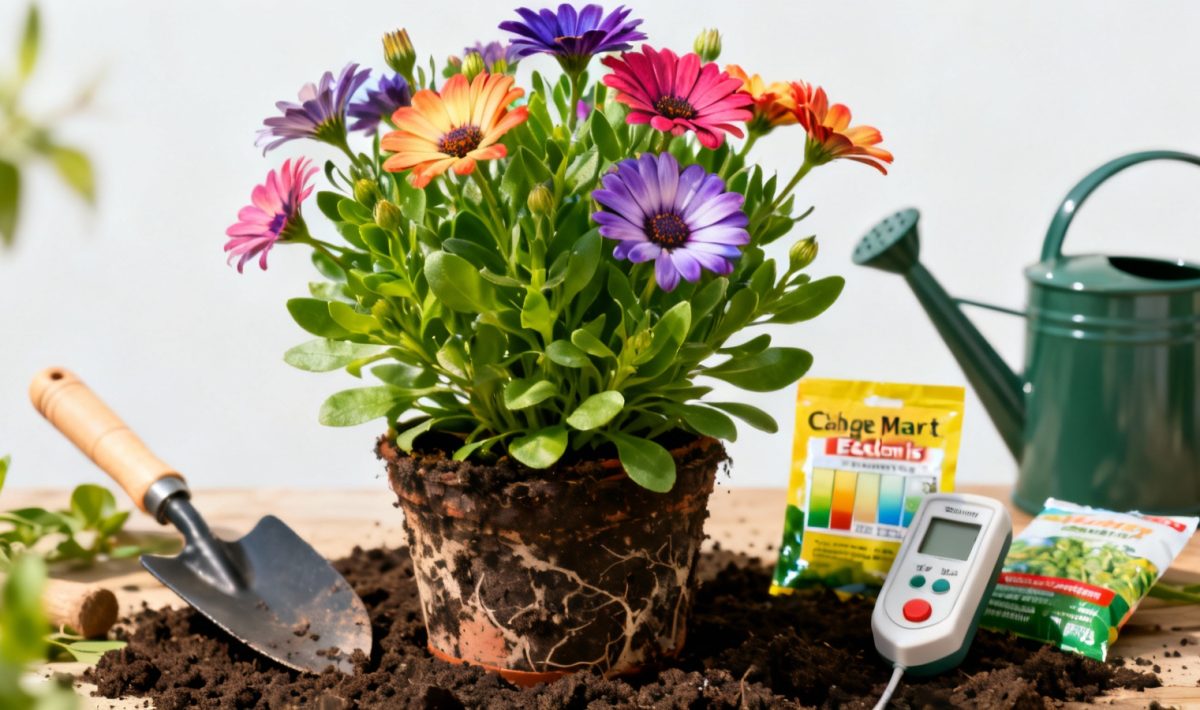
Cape marguerite – Osteospermum ecklonis care and growing tips
Today I’m excited to share everything you need to know about growing Cape marguerite, one of the most rewarding flowering plants you can add to your garden. These South African beauties, scientifically known as Osteospermum ecklonis, have captured gardeners’ hearts with their daisy-like blooms and surprisingly easy care requirements.
What makes these plantes truly special is their ability to produce masses of colorful fleurs from spring through fall. Whether you’re planning to grow them in pots on your patio or as vibrant additions to your jardin borders, understanding their basic needs will ensure spectacular results season after season.
Cape marguerites belong to the Asteraceae famille, the same botanical family that includes sunflowers and traditional daisies. These versatile plantes can function as either annuelle varieties in colder climates or vivace perennials in warmer regions where frost rarely threatens their survival.
The feuillage presents itself as narrow, spoon-shaped leaves that create an attractive backdrop for the abundant flowers. The blooms themselves come in an impressive array of colors, from classic white and yellow to vibrant orange, rose, violet, and purple variations. Each flower typically measures 2-3 inches across and displays the characteristic daisy formation with prominent centers.
During floraison periods, which can extend from late printemps through early winter in favorable climates, these plants produce dozens of flowers simultaneously. The blooms have an interesting habit of opening with sunrise and closing at dusk, creating a daily rhythm that adds charm to any garden space.
Optimal sol and exposition requirements
Success with osteospermum begins with choosing the right location and preparing appropriate growing conditions. These plants absolutely require full sun exposition, meaning at least six hours of direct sunlight daily for optimal performance and abundant bloraison.
The sol composition plays a crucial role in plant health and flowering success. Cape marguerites thrive in well-draining terre that doesn’t retain excessive moisture around the roots. A mixture of garden soil amended with compost or aged manure provides excellent growing conditions, though they’ll also perform well in sandy soils that drain freely.
For pot culture, choose containers with adequate drainage holes and use high-quality potting mix designed for flowering plantes. When growing these beauties in containers, you’ll have more control over soil conditions, making it easier to provide optimal growing environments regardless of your native terre quality.
Essential care and entretien practices
Regular entretien keeps Cape marguerites looking their best throughout the growing season. The most important task involves deadheading spent flowers, which encourages continuous blooming and prevents the plants from putting energy into seed production instead of flower development.
Watering requires a balanced approach – these plants appreciate consistent moisture but can’t tolerate waterlogged conditions. During active growth periods, water when the top inch of soil feels dry to the touch. In hot summer weather, this might mean daily watering for pot-grown specimens, while garden-planted osteospermum may need watering every 2-3 days.
Fertilizing supports vigorous growth and extended blooming periods. Apply a balanced liquid engrais every 2-3 weeks during the growing season, or incorporate slow-release granules into the soil at plantation time. Just like when you care for Nerium oleander plants, consistent nutrition makes a noticeable difference in flowering performance.
Taille isn’t typically necessary, but pinching back leggy stems encourages bushier growth patterns. Remove any damaged or diseased portions promptly to maintain plant health and appearance.
Seasonal care considerations
During hiver months in colder regions, treat Cape marguerites as annuelle plants or bring potted specimens indoors to protect them from freezing temperatures. In mild winter areas, reduce watering frequency and avoid fertilizing until new growth appears in early spring.
Spring preparation involves refreshing mulch around garden plants and resuming regular feeding schedules. This is also an excellent time for propagation activities and plantation of new specimens in your massif areas.
Propagation and plantation techniques
Propagating Cape marguerites offers several options for expanding your collection or sharing plants with fellow gardeners. The most reliable method involves taking stem cuttings from healthy, mature plants during active growing periods.
Cut 4-6 inch stem sections from non-flowering shoots, remove lower leaves, and dip the cut ends in rooting hormone before placing them in moist potting mix. Keep the cuttings in bright, indirect light and maintain consistent moisture until roots develop, typically within 2-3 weeks.
Seeds provide another propagation option, though results may vary from parent plants if you’re working with hybrid varieties. Start seeds indoors 6-8 weeks before your last expected frost date, maintaining temperatures around 65-70°F for optimal germination rates.
When selecting locations for plantation, consider both immediate impact and long-term growth patterns. These plants work beautifully in mixed borders alongside other sun-loving varieties, and their care requirements often complement those needed for tips for caring for Philodendron Birkin in indoor settings.
Container growing advantages
Growing Cape marguerites in pots offers flexibility and control that garden plantation sometimes can’t provide. Container culture allows you to move plants to protected locations during severe weather, adjust soil conditions precisely, and create stunning displays on patios, decks, or balconies.
Choose containers at least 12 inches in diameter for individual plants, or select larger planters for multiple specimens. Ensure adequate drainage and use quality potting mix rather than garden terre, which may not drain properly in containers.
Popular varieties and selection conseils
The world of osteospermum offers numerous cultivars, each bringing unique characteristics to garden designs. ‘Purple Sun’ produces vibrant violet blooms with contrasting dark centers, while ‘Orange Symphony’ delivers warm orange petals that practically glow in sunlight.
For those preferring softer colors, ‘Passion Mix’ includes rose, lavender, and white varieties that create gentle, romantic garden themes. ‘Spider White’ features unusual spoon-shaped petals that add textural interest to plantings, and its pure white couleur complements virtually any garden color scheme.
When making selections, consider your local climate conditions and intended use. Some varieties perform better in extreme heat, while others tolerate cooler conditions more successfully. Reading avis from other gardeners in your area can provide valuable insights into which cultivars perform best in your specific region.
Understanding cultural requirements helps ensure success, much like when researching Monstera obliqua care and culture for indoor plant success. Each variety may have slightly different needs, but the basic care principles remain consistent across the osteospermum family.
Troubleshooting common challenges
Most problems with Cape marguerites stem from environmental issues rather than pest or disease concerns. Poor flowering often indicates insufficient sunlight, so relocating plants to sunnier positions usually resolves this issue quickly.
Leggy growth patterns typically result from inadequate light or overfertilizing with nitrogen-heavy products. Pinching back stems and ensuring proper light conditions encourages more compact, bushy growth habits that produce more flowers.
Root rot becomes a concern in poorly draining soils or with excessive watering practices. Prevention involves using well-draining terre mixtures and monitoring soil moisture levels carefully. If root rot occurs, removing affected plants and improving drainage prevents spread to healthy specimens.
Just as growing Southern magnolia successfully requires attention to environmental factors, Cape marguerites respond best when their basic cultural needs are consistently met throughout the growing season.
These remarkable plantes reward minimal effort with maximum visual impact, making them perfect choices for both beginning and experienced gardeners. With proper care and suitable growing conditions, your Cape marguerites will provide months of spectacular blooms and years of gardening satisfaction.
Allan is a lifelong gardening enthusiast who still gets excited when the first seedlings pop up in spring. With a deep love for nature and a hands-in-the-soil approach, he shares practical tips, plant discoveries, and clever tricks picked up over years of digging, planting, and observing. Whether you’re a new gardener or have a shed full of tools, Allan writes like a neighbor who’s always happy to swap cuttings and stories over the fence.
You can find more about Allan’s work on Malt or connect with him on LinkedIn.