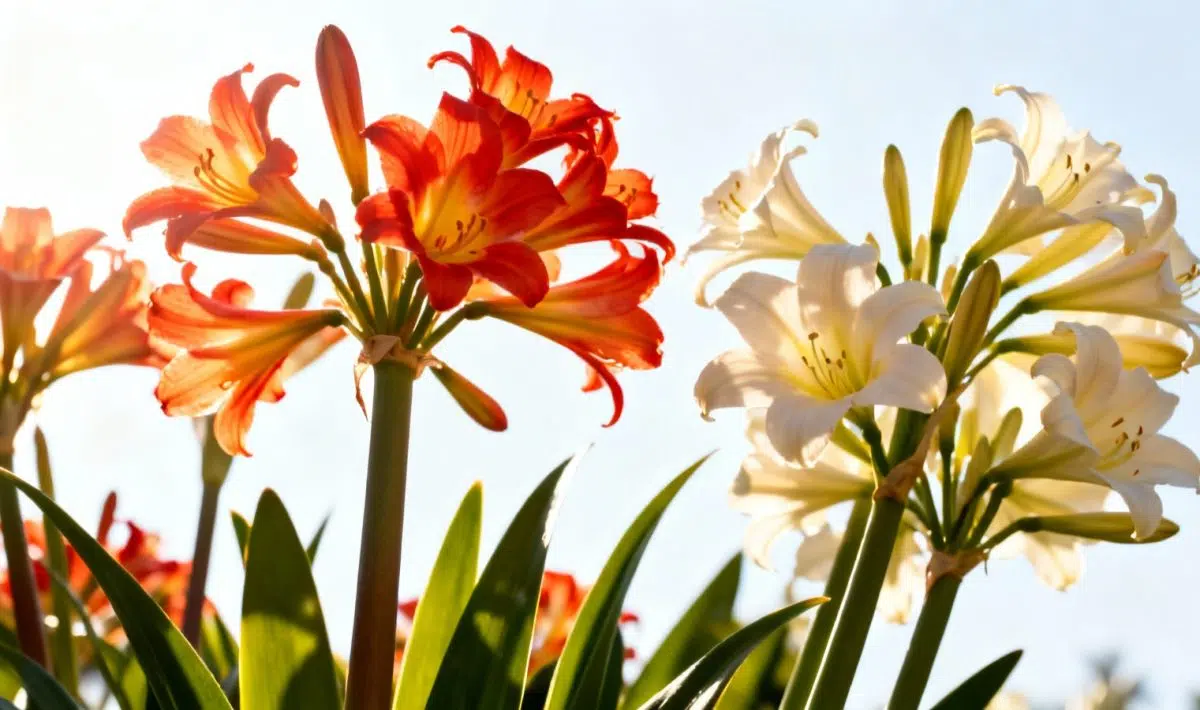
How much sunlight does African lily need for optimal growth and blooming
Understanding how much sunlight does African lily need is crucial for any gardener who wants to see these stunning plants flourish in their outdoor space. African lilies, scientifically known as Agapanthus, are magnificent flowering plants that can transform your garden with their striking blue or white blooms when given proper care and lighting conditions.
African lilies thrive best with at least 6 hours of direct sunlight daily, making them perfect for sunny garden spots. These plants are naturally adapted to bright conditions, which explains why they produce such vibrant flower clusters when positioned correctly. Full sun exposure encourages robust growth and abundant blooming, though they can tolerate partial shade in certain circumstances.
The lighting requirements for African lilies are quite specific compared to other popular garden plants. While some houseplants can grow well in lower light conditions, African lilies truly need substantial sunlight to reach their full potential. This makes them ideal candidates for south-facing garden beds where they can receive maximum exposure throughout the day.
Optimal sunlight conditions for healthy African lily plants
When planning your garden layout, consider that African lilies perform best in locations that receive morning and afternoon sun. These plants can handle intense midday heat, making them suitable for regions with hot summers. The key is ensuring consistent light exposure rather than sporadic periods of brightness followed by extended shade.
During their growing season, African lilies use sunlight to fuel their impressive flower production. Each bloom cluster can contain dozens of individual flowers, and this energy-intensive process requires ample light. Just as sunlight requirements for growing cucumbers are specific for optimal harvests, African lilies have their own precise needs for spectacular displays.
Partial shade conditions, defined as 2-6 hours of direct sunlight, can work for African lilies but may result in reduced flowering. You’ll notice that plants grown in these conditions often produce fewer flower stalks and may have a more open, less compact growth habit.
Signs your African lily needs more or less light
Recognizing the signs of improper lighting can help you adjust your plant’s location before problems become serious. African lilies that receive insufficient sunlight typically display elongated, weak stems that may bend or break easily. The foliage often appears pale green rather than the rich, deep green color of healthy plants.
Flowering is usually the first casualty when African lilies don’t get enough sun. You might notice fewer flower stalks developing, or the blooms may be smaller and less vibrant than expected. This is similar to how optimal sunlight for sycamore health affects their overall vigor and growth patterns.
On the opposite end, excessive sun exposure in extremely hot climates can cause leaf scorch, particularly during the hottest part of summer afternoons. Look for brown, crispy edges on leaves as a sign that your plants might benefit from some afternoon protection in peak summer.
Best placement strategies for your African lilies
The perfect spot for African lilies combines full sun exposure with good air circulation and well-draining soil. South-facing borders or garden beds typically provide ideal conditions, especially when protected from strong winds that can damage the tall flower stalks during blooming periods.
Container gardening offers excellent flexibility for African lily care. You can position pots in the sunniest areas of your patio or deck, then move them if conditions change seasonally. This approach works particularly well in regions where winter protection is necessary, as you can relocate plants to sheltered areas when temperatures drop.
When planning companion plantings, consider that African lilies work well with other sun-loving perennials. Just as gardeners must consider ideal sunlight for potato growth when planning vegetable gardens, flower gardens benefit from grouping plants with similar light requirements together.
Watering considerations based on sun exposure
The amount of sunlight your African lilies receive directly impacts their watering needs. Plants in full sun locations will require more frequent watering, especially during hot summer months when soil moisture evaporates quickly. However, the soil should never remain waterlogged, as this can lead to root rot regardless of lighting conditions.
During the growing season, check soil moisture regularly and water deeply when the top inch feels dry. African lilies in partial shade locations typically need less frequent watering since the soil retains moisture longer in these conditions. This balance between sun and water is crucial for plant health.
Morning watering is generally preferred, as it allows plants to absorb moisture before the heat of the day while ensuring leaves dry quickly to prevent fungal issues. This timing works particularly well for sun-loving plants that will spend the day in bright conditions.
Seasonal adjustments for optimal growth
As seasons change, you may need to adjust care routines based on varying sunlight availability. Spring emergence requires gradually increasing sun exposure as new growth appears, while fall preparation involves reducing watering as daylight hours decrease and temperatures cool.
Summer care focuses on maintaining consistent moisture levels while ensuring plants receive their full daily sun requirement. This is when African lilies produce their spectacular flower displays, making proper lighting absolutely critical. The intense summer sun that benefits these plants is quite different from the gentler light requirements that fig trees and their sunlight needs demand for fruit production.
Winter dormancy periods require reduced care, but even during this time, choosing the right location for overwintering can impact next season’s performance. In colder regions, container plants can be moved to protected areas that still receive available winter sunlight.
Common lighting mistakes to avoid
One frequent error is assuming that any bright location will suffice for African lilies. While these plants appreciate light, they specifically need direct sunlight rather than just bright, filtered light through windows or under trees. The difference in light intensity can significantly impact flowering potential.
Another common mistake involves planting African lilies in spots that receive morning sun but afternoon shade, thinking this provides adequate light. While better than full shade, this partial exposure often results in disappointing flower production compared to full-sun locations.
Overcrowding can also create lighting problems, as African lilies planted too close together may shade each other. Each plant needs space to receive full sun exposure on all sides for optimal growth. This spacing consideration is as important for flower production as understanding sunlight for optimal corn plant growth is for successful harvests.
Enhancing growth with proper care techniques
Beyond meeting basic lighting requirements, several additional care practices can help your African lilies thrive in their sunny locations. Regular fertilization during the growing season supports the energy demands of flowering, especially important for plants working hard to bloom in full sun conditions.
Mulching around plants helps retain soil moisture in sunny locations while suppressing weeds that might compete for nutrients. Choose light-colored mulches in very hot climates to prevent excessive soil heating, or darker mulches in cooler regions to help warm the soil.
Deadheading spent flowers encourages continued blooming and prevents the plant from putting energy into seed production. This practice is particularly beneficial for sun-grown plants that have the energy reserves to produce multiple flower flushes throughout the season, similar to how proper care affects sunlight needs for garden lupine and their flowering cycles.
With proper attention to sunlight requirements and complementary care practices, African lilies can become stunning focal points in sunny garden areas. These remarkable plants reward gardeners who provide adequate light with months of spectacular blooms that add both height and color to outdoor spaces.
Allan is a lifelong gardening enthusiast who still gets excited when the first seedlings pop up in spring. With a deep love for nature and a hands-in-the-soil approach, he shares practical tips, plant discoveries, and clever tricks picked up over years of digging, planting, and observing. Whether you’re a new gardener or have a shed full of tools, Allan writes like a neighbor who’s always happy to swap cuttings and stories over the fence.
You can find more about Allan’s work on Malt or connect with him on LinkedIn.