
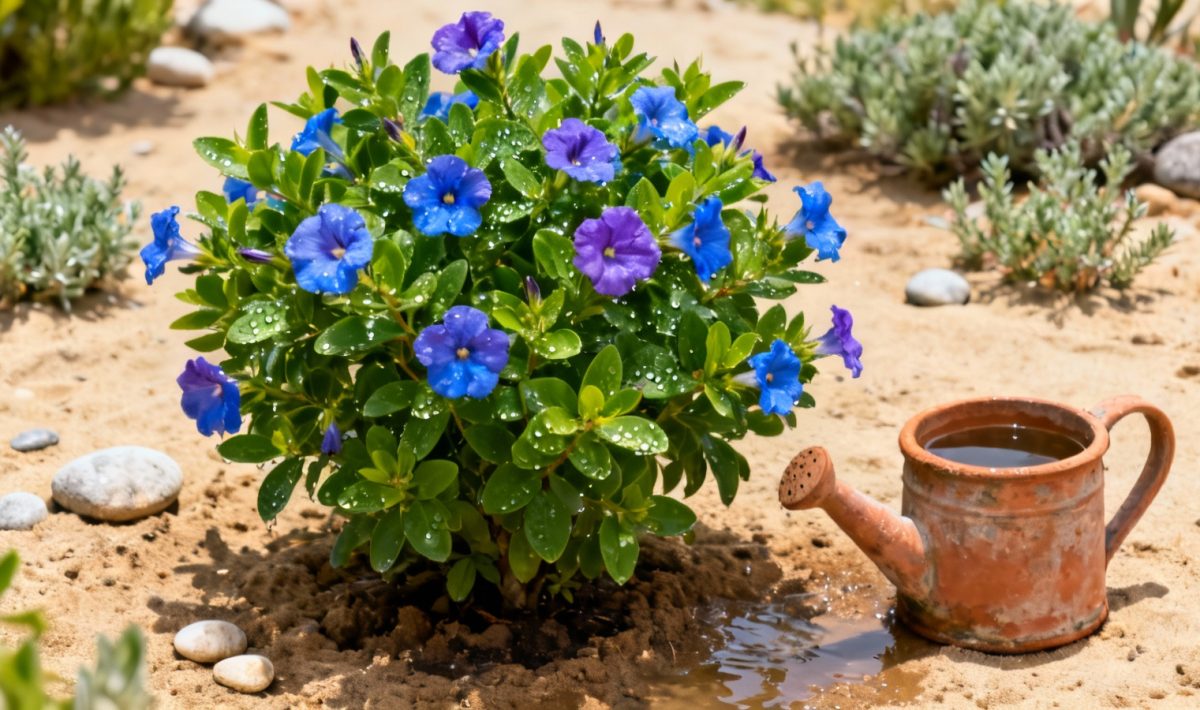
Understanding Cape leadwort in your garden
Cape leadwort, known scientifically as Plumbago auriculata, is a stunning flowering plant that brings joy to mediterranean gardens with its vibrant blue or white flowers. This versatile shrub adapts well to various garden conditions and offers an easy care option for both novice and experienced gardeners. When establishing how often to water your Cape leadwort, understanding its natural habitat and growth patterns becomes essential for successful cultivation.
The plant type originates from South Africa, where it thrives in well-draining soil with moderate water availability. In your garden, this beautiful flower can grow as a sprawling shrub or be trained as a climbing plant with proper support. The key to healthy plumbago lies in balancing moisture levels while avoiding waterlogged conditions that can damage the root system.
Why choose plumbago for mediterranean climates
Garden enthusiasts often select Cape leadwort for its remarkable drought tolerance once established. The plants require minimal maintenance while providing months of continuous blooms from spring through fall. This makes them an ideal choice for busy gardeners who want maximum visual impact with reasonable care requirements.
The flowers attract beneficial pollinators to your garden space, creating a thriving ecosystem that supports other plants as well. Additionally, the plant grows relatively quickly, offering fast results for those eager to see their garden transform. Price points for quality plants remain reasonable, making this an accessible option for most gardening budgets.
How often should you water your Cape leadwort: seasonal guidelines
Summer watering frequency
During the growing season, typically from late spring through early fall, Cape leadwort benefits from deep watering sessions once or twice per week. The exact frequency depends on your soil type, local climate conditions, and recent rainfall patterns. Sandy soils drain faster and may require more frequent watering, while clay soils hold moisture longer.
Monitor the top inch of soil around your plants – when it feels dry to the touch, it’s time to provide water. Deep watering encourages strong root development, which ultimately creates more resilient plants that can better withstand dry periods. Each watering session should thoroughly saturate the root zone without creating standing water.
Winter care adjustments
As temperatures cool and growth slows, reduce watering frequency to approximately once every 10-14 days. The plants enter a semi-dormant state during winter months, requiring significantly less moisture than during active growing periods. Overwatering during this time can lead to root rot and other fungal issues.
Indoor plants or those in containers need special attention during winter months. They dry out more quickly than ground-planted specimens but still require less water than summer conditions. Check soil moisture regularly and adjust accordingly, as heating systems can create unexpectedly dry conditions indoors.
Soil and environmental factors affecting watering needs
Soil drainage requirements
Well-draining soil forms the foundation of successful Cape leadwort cultivation. These plants cannot tolerate soggy conditions, which quickly leads to root problems and plant decline. If your garden soil retains too much water, consider amending it with compost, sand, or perlite to improve drainage characteristics.
Container-grown plants need particular attention to drainage holes and soil composition. Use a quality potting mix designed for mediterranean plants, which typically includes ingredients that promote proper water flow while retaining adequate moisture for plant health.
Climate considerations
Hot, windy conditions increase water evaporation rates, requiring more frequent watering sessions. Conversely, humid environments may allow you to water less often while still maintaining healthy plant growth. Understanding your local microclimate helps fine-tune your watering schedule for optimal results.
Similar to watering your scarlet-star effectively, Cape leadwort benefits from consistent moisture management rather than erratic watering patterns. Establishing a routine helps both you and your plants maintain healthy growth cycles.
Practical watering techniques and care tips
Watering methods that work best
Soaker hoses and drip irrigation systems provide excellent water delivery for Cape leadwort plants. These methods deliver water slowly and directly to the root zone, minimizing waste and reducing the risk of foliar diseases that can occur with overhead watering.
When hand-watering, direct the water toward the base of the plant rather than wetting the leaves and flowers. This approach reduces evaporation losses and helps prevent fungal problems that thrive in moist leaf conditions. Water early in the morning when possible, allowing plants to absorb moisture before the heat of the day.
Signs of proper hydration
Healthy Cape leadwort displays vibrant green foliage and abundant flower production throughout the growing season. The leaves should appear plump and sturdy, not wilted or yellowing. Consistent blooming indicates that your watering schedule meets the plant’s needs effectively.
Watch for warning signs that suggest watering adjustments are needed. Drooping leaves during the hottest part of the day is normal, but persistent wilting indicates insufficient moisture. Conversely, yellowing leaves and mushy stems often signal overwatering problems.
Additional care considerations for healthy growth
Fertilization and soil nutrition
Cape leadwort plants benefit from light fertilization during the growing season, but they don’t require heavy feeding like some garden plants. A balanced, slow-release fertilizer applied in early spring provides adequate nutrition for the entire growing season. This easy care approach makes plumbago an excellent choice for low-maintenance gardens.
Organic compost worked into the soil around plants provides gentle nutrition while improving soil structure and water retention. This natural approach supports both plant health and beneficial soil organisms that contribute to overall garden vitality.
Pruning and maintenance
Regular pruning helps maintain plant size and encourages continued flower production. Remove spent blooms promptly to redirect energy into new flower development rather than seed production. Light pruning throughout the growing season keeps plants tidy and promotes bushier growth habits.
Understanding proper plant care extends beyond just watering frequency. Just as properly watering your cabbage plants requires attention to growth stages, Cape leadwort benefits from care that adapts to seasonal changes and plant maturity levels.
Container growing considerations
Plants grown in containers have different watering needs than those planted directly in garden soil. Container plants dry out more quickly and may require daily watering during hot weather, especially for smaller pots with limited soil volume.
Choose containers with adequate drainage holes and use quality potting soil that drains well while retaining some moisture. Larger containers provide more stable growing conditions and require less frequent watering than smaller ones. Consider self-watering containers for consistent moisture delivery when you travel or during busy periods.
Much like watering your African violet correctly, container-grown Cape leadwort requires careful attention to avoid both drought stress and waterlogged conditions that can quickly damage plant health.
Troubleshooting common watering problems
Addressing overwatering issues
Overwatered Cape leadwort typically shows yellowing leaves, reduced flowering, and potentially root rot symptoms. If you suspect overwatering, immediately reduce watering frequency and improve soil drainage around affected plants. Remove any damaged or yellowing foliage to prevent disease spread.
In severe cases, you may need to relocate plants to better-draining locations or amend heavy soils with organic matter and drainage materials. Prevention remains easier than treatment, so establishing proper watering habits from the beginning saves time and plant stress.
Dealing with drought stress
Underwatered plants show wilting, reduced growth, and diminished flower production. While Cape leadwort tolerates drought once established, consistent moisture stress reduces overall plant performance and flowering quality. Gradually increase watering frequency rather than providing massive amounts of water all at once.
Similar to adequate watering for corn plants, Cape leadwort responds better to consistent moisture management than to erratic watering patterns that stress the root system.
Mulching around plants helps retain soil moisture while moderating soil temperature fluctuations. Organic mulches like shredded bark or compost provide additional benefits as they decompose and improve soil structure over time. Apply mulch in a 2-3 inch layer, keeping it away from direct contact with plant stems.
Seasonal care summary and best practices
Creating a sustainable watering routine
Successful Cape leadwort cultivation depends on understanding your specific garden conditions and adapting watering practices accordingly. Keep a simple garden journal to track watering dates, weather patterns, and plant responses. This information helps you refine your approach and develop confidence in your care routine.
Technology can assist with consistent care through programmable irrigation systems or moisture meters that take guesswork out of watering decisions. However, developing your observational skills remains invaluable for long-term gardening success with any plant type.
Remember that best watering practices for mock strawberries and other garden plants often share common principles with Cape leadwort care, making your knowledge transferable across different species in your garden.
With proper attention to watering frequency and seasonal adjustments, your Cape leadwort will reward you with months of beautiful flowers and healthy growth. These reliable plants bring color and life to mediterranean gardens while requiring only moderate care from dedicated gardeners who understand their basic needs.

Allan is a lifelong gardening enthusiast who still gets excited when the first seedlings pop up in spring. With a deep love for nature and a hands-in-the-soil approach, he shares practical tips, plant discoveries, and clever tricks picked up over years of digging, planting, and observing. Whether you’re a new gardener or have a shed full of tools, Allan writes like a neighbor who’s always happy to swap cuttings and stories over the fence.
You can find more about Allan’s work on Malt or connect with him on LinkedIn.


