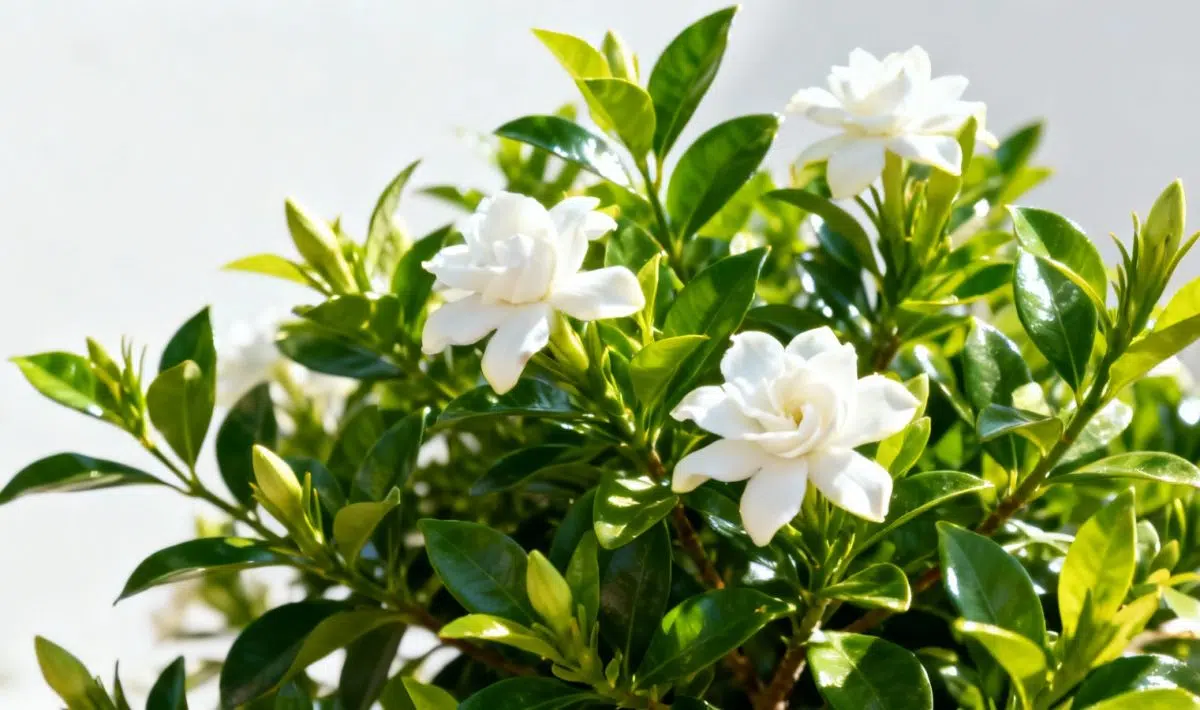
Cape jasmine, scientifically known as Gardenia jasminoides, is a stunning evergreen shrub that produces some of the most fragrant white flowers in the gardening world. This beautiful flowering plant has specific sunlight needs that directly impact its blooming potential and overall health. Understanding how much sunlight does cape jasmine need is essential for successful cultivation, whether you’re growing it in your garden or as a potted plant indoors.
These gorgeous plants are native to Asia and thrive in well-defined conditions. They require a careful balance of light exposure to produce their signature creamy white flowers that fill the air with an intoxicating fragrance during spring and summer months.
Optimal sunlight exposure for cape jasmine
Cape jasmine performs best with at least 6 hours of sunlight daily, but the type of exposure matters significantly. In cooler climates, this shrub can tolerate full sun exposure throughout the day. However, in warmer regions, morning sunlight with afternoon shade provides the ideal conditions for healthy growth and abundant flowering.
The key is finding that sweet spot where your gardenia receives enough light to fuel photosynthesis and flower production, without experiencing the stress that comes from excessive heat. Too much direct afternoon sun in hot climates can lead to leaf scorch and reduced flowering capacity.
Seasonal considerations for light exposure
During spring and summer months, your cape jasmine will appreciate bright, filtered light. The morning sun is particularly beneficial as it helps dry dew from the leaves, reducing the risk of fungal issues. As temperatures rise in summer, providing some protection from intense afternoon rays becomes crucial.
Winter brings different challenges, especially for indoor plants. If you’re growing your gardenia in a pot, positioning it near a south-facing window ensures adequate light during shorter days. The plant’s evergreen nature means it continues photosynthesis year-round, requiring consistent light access.
Signs your cape jasmine needs more sunlight
When cape jasmine doesn’t receive sufficient light, it sends clear signals that gardeners should recognize. Stretched, leggy growth with increased spacing between leaves indicates the plant is reaching for more light. You might also notice fewer flower buds forming, or existing buds dropping before they open.
Pale or yellowing leaves can also suggest inadequate light exposure, though this symptom can overlap with other issues like watering problems or nutrient deficiencies. Observing your plant’s overall vigor helps distinguish between light-related stress and other concerns.
Indoor growing and artificial lighting
For those growing cape jasmine indoors, supplemental lighting might be necessary, especially during winter months. LED grow lights positioned 12-18 inches above the plant can provide the additional illumination needed for healthy growth and flowering.
Choose full-spectrum lights that mimic natural sunlight for best results. Run them for 12-14 hours daily during darker months to compensate for reduced natural light. This approach works particularly well for gardeners who want to enjoy their gardenia’s beauty year-round indoors.
Comparing light needs with related plants
Understanding cape jasmine’s light requirements becomes clearer when comparing them to other popular garden plants. For instance, while researching sunlight requirements for cape leadwort, you’ll find that both plants prefer similar morning sun and afternoon shade conditions, making them excellent companion plants in many garden designs.
Citrus plants have somewhat different needs, and learning about lemon plant sunlight needs reveals they typically require more direct sunlight throughout the day compared to the more shade-tolerant gardenia.
Creating the perfect growing environment
Success with cape jasmine extends beyond just sunlight considerations. These plants thrive in well-draining, slightly acidic soil with consistent moisture levels. Good air circulation around the plant prevents fungal issues that can develop in humid conditions.
When selecting seeds or young plants, look for varieties suited to your specific climate zone. Cape jasmine is hardy in USDA zones 8-11, but some cultivars show better heat tolerance than others. Starting with quality genetic material gives you the best foundation for success.
Watering and soil considerations
Proper watering complements good light exposure for optimal plant health. Cape jasmine prefers consistently moist but not waterlogged soil. During hot summer months when the plant receives more direct sunlight, increased watering frequency may be necessary.
Using organic mulch around the base helps retain soil moisture and keeps roots cool during peak sun exposure. This practice is particularly valuable for plants growing in full sun locations where soil can dry out quickly.
Growing cape jasmine from seeds
Starting cape jasmine from seeds offers the satisfaction of nurturing plants from their earliest stages. Fresh seeds germinate more readily than older ones, so source your seeds from reputable suppliers who can guarantee freshness and viability.
Seedlings require especially careful light management during their first year. Too much direct sunlight can stress young plants, while insufficient light leads to weak, spindly growth. A bright location with filtered light provides ideal conditions for establishing healthy root systems and sturdy stems.
Transplanting and establishment
When moving young plants outdoors, gradual acclimatization prevents shock and ensures successful establishment. Start by placing plants in a partially shaded location for a week before moving them to their permanent growing spot.
This process, known as hardening off, helps plants adjust to outdoor light intensity, temperature fluctuations, and air movement. Rushing this process often results in stunted growth or even plant loss, particularly with sensitive species like gardenia.
Companion planting for optimal results
Strategic companion planting can help create the ideal light conditions for cape jasmine while building a diverse, attractive garden. Taller shrubs or small trees positioned to the west can provide afternoon shade without blocking morning sunlight.
Herbs like those discussed when exploring optimal sunlight for catnip can work well as understory plants, creating a layered garden design that meets each plant’s specific light requirements while maximizing space efficiency.
Consider plants with similar cultural requirements but different growth habits. For example, understanding sunlight needs of common purslane shows how ground-covering plants can complement the upright growth of cape jasmine while sharing similar care requirements.
Troubleshooting common light-related issues
Even experienced gardeners sometimes struggle with getting light conditions just right for cape jasmine. If your plant produces abundant foliage but few flowers, it might be receiving too much nitrogen fertilizer or insufficient light to trigger blooming cycles.
Conversely, if leaves appear scorched or develop brown edges, the plant might be receiving too much intense afternoon sun. Moving containers to a more protected location or installing shade cloth can quickly resolve these issues.
Seasonal adjustments and monitoring
Successful cape jasmine cultivation requires ongoing observation and adjustment. As trees and surrounding plants grow, they may gradually change light patterns in your garden. What worked perfectly last year might need modification this season.
Keep a simple garden journal noting flowering times, growth patterns, and any stress symptoms. This record helps identify trends and optimize care practices over time, leading to better blooming performance and overall plant health year after year.
Allan is a lifelong gardening enthusiast who still gets excited when the first seedlings pop up in spring. With a deep love for nature and a hands-in-the-soil approach, he shares practical tips, plant discoveries, and clever tricks picked up over years of digging, planting, and observing. Whether you’re a new gardener or have a shed full of tools, Allan writes like a neighbor who’s always happy to swap cuttings and stories over the fence.
You can find more about Allan’s work on Malt or connect with him on LinkedIn.