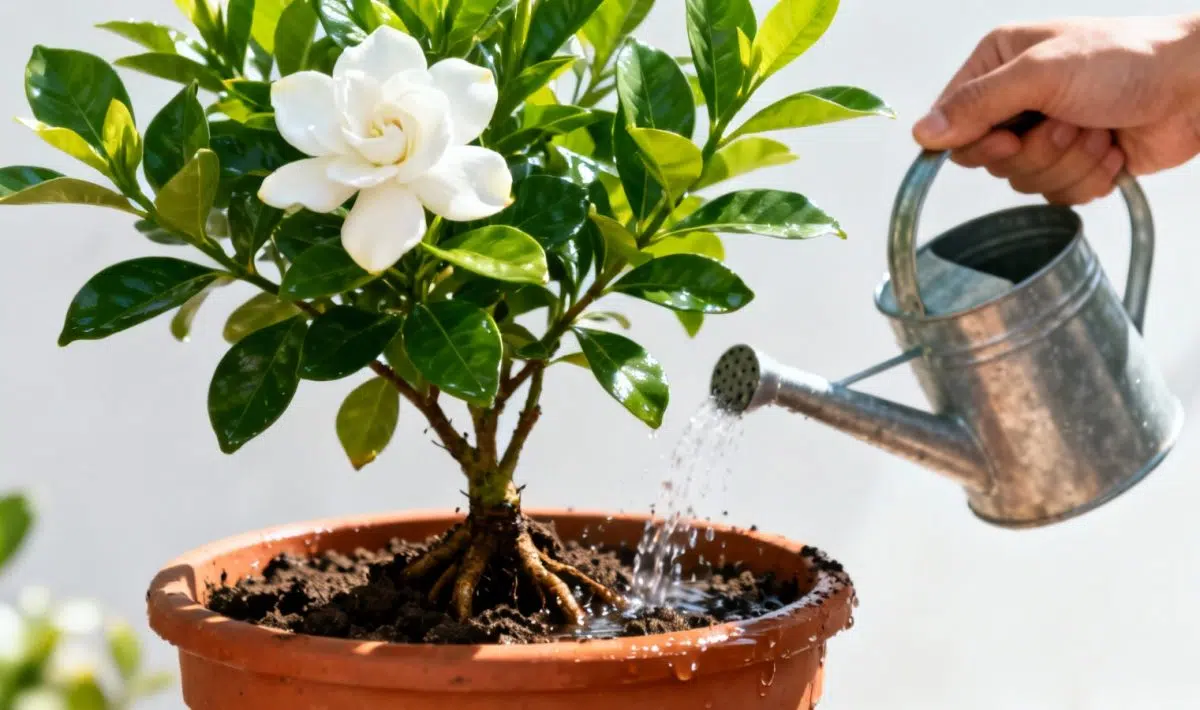
Cape jasmine care: planting, watering and growing tips for gardenia jasminoides
There’s something truly magical about the Cape jasmine that makes gardeners fall head over heels for this stunning shrub. With its glossy green foliage and intensely fragrant white flowers, Gardenia jasminoides transforms any garden space into a fragrant paradise. Whether you’re a seasoned gardener or just starting your plant journey, understanding how to care for this beautiful jasmin will reward you with breathtaking blooms and that distinctive parfum that makes evenings in the jardin absolutely unforgettable.
The gardénia jasminoides is native to subtropical regions and typically grows 1-2 meters in height, forming a compact, rounded silhouette. This evergreen shrub thrives in hardiness zones 8-11, tolerating minimum temperatures down to 30°F (-1°C). The plante features persistent, lustrous green feuillage that can be sensitive to yellowing when soil conditions aren’t quite right.
What truly sets this jasmin apart are its spectacular fleurs. These double, creamy blanc blooms appear abundantly during spring and summer, filling your garden with an intoxicating fragrance. However, like many finicky plantes, the gardénia can be particular about its growing conditions, often dropping flower buds if humidity levels or watering schedules aren’t maintained properly.
It’s worth noting that while beautiful, this plante is toxic to pets and can cause gastric irritation if consumed. Despite this consideration, many gardeners find the Cape jasmine surprisingly manageable once you understand its basic needs.
Essential care requirements for healthy growth
Creating the perfect environment for your Cape jasmine starts with understanding its light preferences. This shrub performs best with morning sun followed by afternoon shade, particularly in warmer climates. In cooler regions, full sun exposure throughout the day works wonderfully. The key is providing bright light while protecting the plante from harsh afternoon heat that can stress the feuillage.
Soil quality makes all the difference for successful gardénia cultivation. These plantes absolutely require acidic sol with a pH between 5-6, rich in organic matter and well-draining. Clay-heavy terre that retains too much eau will quickly lead to root problems, while sandy soil may not retain enough moisture. Just as you might find detailed care tips for coleus plants helpful for other garden varieties, understanding soil preparation is crucial for gardenias.
When it comes to watering, consistency is your best friend. Arrosez deeply but allow the sol to dry slightly between waterings. During the growing season, maintain steady humidité levels without creating waterlogged conditions. Yellow feuilles often indicate either overwatering or poor drainage, so monitoring your watering schedule closely pays off.
Proper plantation and pot cultivation techniques
Whether you’re planning for outdoor plantation or pot culture, timing matters significantly. Spring offers the ideal window for planting, giving your gardénia an entire growing season to establish strong roots before winter arrives. In colder régions, pot cultivation allows you to bring these tender plantes intérieur during harsh weather.
For garden plantation, prepare the site by amending your terre with organic compost and ensuring excellent drainage. Dig a hole twice as wide as the root ball but no deeper – planting too deeply can stress the plante and inhibit healthy growth. Space multiple shrubs 4-6 feet apart to allow proper air circulation.
Container gardening requires special attention to pot size and terreau selection. Choose a pot with adequate drainage holes and use high-quality, acidic potting mix. Much like growing garlic mustard effectively requires specific soil conditions, gardenias need that perfect balance of moisture retention and drainage that only quality terreau can provide.
Fertilization and seasonal entretien
Regular feeding keeps your Cape jasmine blooming prolifically throughout the growing season. Use an acid-loving plant fertilizer monthly during spring and summer, reducing frequency in fall as the plante prepares for dormancy. Iron supplements can prevent the dreaded chlorosis that causes feuillage yellowing.
Taille plays a crucial role in maintaining shape and encouraging floraison. Prune immediately after flowering ends, typically in late summer, removing dead or crossing branches. Light trimming helps maintain the compact form while promoting air circulation throughout the feuillage.
During hiver months, reduce watering frequency but never allow the sol to completely dry out. Indoor plantes need extra humidité during heating season – placing pots on humidity trays filled with pebbles and eau creates the perfect microclimate.
Propagation methods and multiplication techniques
Creating new Cape jasmine plantes through propagation offers an economical way to expand your collection. Softwood cuttings taken in late spring or early summer root most successfully. Select healthy, non-flowering shoots about 4-6 inches long, removing lower leaves before dipping in rooting hormone.
Plant cuttings in a mixture of peat and perlite, maintaining consistent moisture and warmth. A humid environment encourages faster root development – covering with plastic creates a mini-greenhouse effect. Similar to techniques used in caring for Japanese pieris plants, patience during the rooting process yields the best results.
Layering offers another reliable propagation method, particularly for gardeners wanting guaranteed success. Bend a flexible branch to the ground, wound the bark slightly, and cover with sol while keeping the tip exposed. Roots typically develop within several months, creating a new plante ready for transplanting.
Troubleshooting common problems
Even experienced gardeners encounter challenges with Cape jasmine cultivation. Bud drop, perhaps the most frustrating issue, usually results from inconsistent watering, temperature fluctuations, or sudden changes in light conditions. Maintaining stable growing conditions prevents most floraison problems.
Yellow feuilles signal various potential issues – from overwatering to nutrient deficiencies. Check soil drainage first, then consider whether your plante needs iron supplementation. Proper pH testing helps identify whether your sol has become too alkaline for optimal nutrient uptake.
Pest management typically involves watching for cochenilles, aphids, and whiteflies. Regular inspection of feuillage allows early detection and treatment. Much like the specific requirements discussed in tips for Dieffenbachia care, maintaining plant health through proper culture prevents most pest issues naturally.
Creating the perfect growing environment
Success with Cape jasmine often comes down to understanding your local climate and adapting accordingly. In humid régions, focus on improving air circulation to prevent fungal issues. Dry climates require extra attention to humidité levels and consistent watering schedules.
Companion planting enhances both beauty and growing conditions. Acid-loving plantes like azaleas, camellias, and rhododendrons make excellent neighbors, creating a cohesive landscape design while sharing similar soil requirements. Just as how to care for persimmons involves understanding companion relationships, thoughtful garden planning benefits all your plantes.
With patience and consistent care, your Cape jasmine will reward you with years of spectacular blooms and that unforgettable fragrance. Remember that this plante appreciates routine – establishing regular watering, feeding, and maintenance schedules creates the stability these beautiful shrubs crave. Whether adorning your jardin borders or gracing your intérieur in elegant containers, Gardenia jasminoides brings timeless elegance to any gardening endeavor.
Allan is a lifelong gardening enthusiast who still gets excited when the first seedlings pop up in spring. With a deep love for nature and a hands-in-the-soil approach, he shares practical tips, plant discoveries, and clever tricks picked up over years of digging, planting, and observing. Whether you’re a new gardener or have a shed full of tools, Allan writes like a neighbor who’s always happy to swap cuttings and stories over the fence.
You can find more about Allan’s work on Malt or connect with him on LinkedIn.