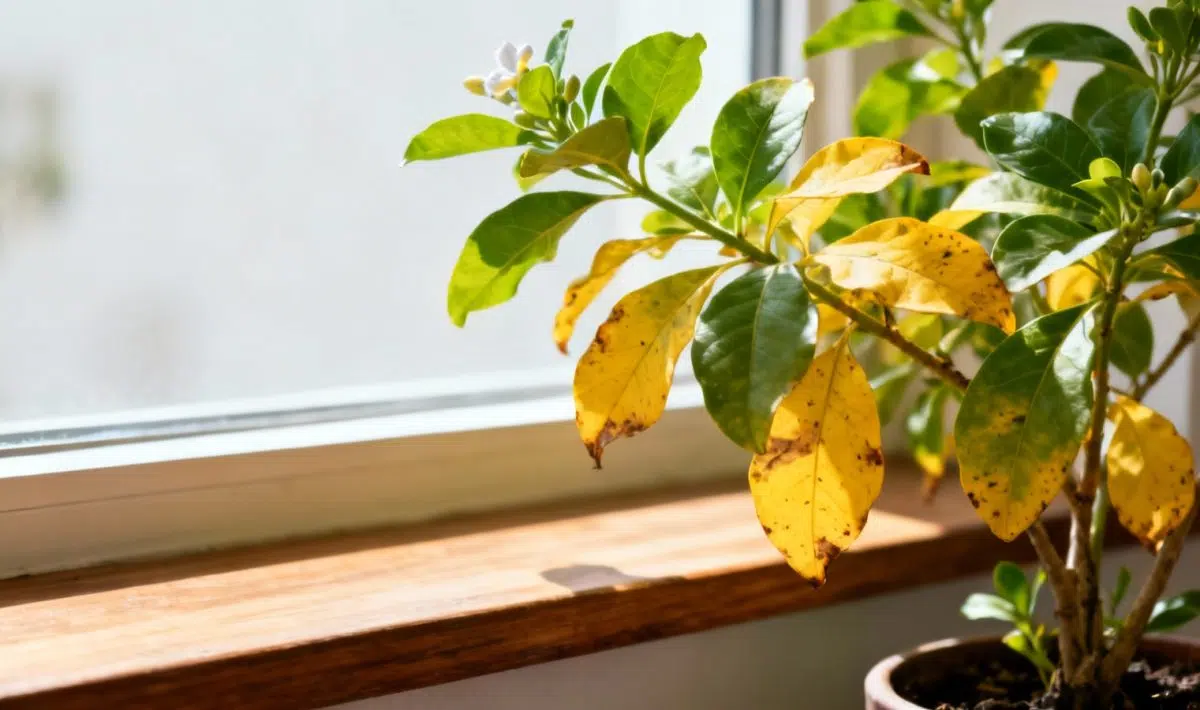
Why are my cape leadwort leaves turning yellow – causes and solutions
Today I’m sharing with you the most common reasons why your beautiful cape leadwort might be showing those worrying yellow leaves. Don’t worry though – this gorgeous flowering shrub is generally quite hardy, and with the right approach, you can bring it back to its full glory.
Cape leadwort, also known as plumbago, is a stunning plant that deserves all our passion and care. When those vibrant green leaves start turning yellow, it’s your plant’s way of telling you something isn’t quite right in its world.
Environmental factors affecting your cape leadwort
The first thing to consider when you notice yellow leaves is your plant’s environment. Cape leadwort thrives in specific conditions, and any deviation from its preferred setup can trigger leaf yellowing. This hardy plant originally comes from South Africa, so it has particular needs that we need to respect.
Light plays a crucial role in maintaining healthy foliage. Your cape leadwort needs at least six hours of bright, direct sunlight daily to maintain its vibrant green color. When plants don’t receive enough light, they may shed older leaves by turning them yellow first. However, in extremely hot climates, too much intense afternoon sun can also stress the plant and cause yellowing.
Temperature fluctuations can be another culprit. While cape leadwort is relatively hardy, sudden temperature changes or prolonged exposure to temperatures below 50°F (10°C) will cause leaf yellowing. The plant may drop its leaves entirely if exposed to frost, but don’t worry – it’s usually not fatal and new growth will appear in spring.
✅ Quick Checklist
Is the soil too wet or too dry?
Is the plant getting 6+ hours of sunlight daily?
Have you fertilized in the last 2 months?
Are there visible pests under the leaves?
Does the pot have adequate drainage?
🔥 FREE
📱
Diagnose your plant in one click!
AI instant diagnosis • Personalized solutions • 50,000+ species
Let’s talk about something that might surprise you – cape leadwort actually prefers slightly dry conditions over constantly moist soil. Many gardeners kill their plants with kindness by overwatering, and this can definitely cause yellow leaves.
The ideal soil for cape leadwort is well-draining and slightly sandy. Heavy clay soils that retain too much moisture will cause root rot, which manifests as yellowing leaves that eventually turn brown and drop. If you’re growing your plant in a container, make sure it has drainage holes – this is absolutely critical for success.
On the flip side, while the plant is drought-tolerant once established, prolonged drought stress can also cause yellowing. The key is finding that sweet spot where the soil dries out between waterings but never becomes bone dry for extended periods. During the growing season, water deeply but infrequently.
Similar to how other flowering plants like pomegranates can show yellowing when stressed, cape leadwort responds to poor growing conditions by dropping leaves. For more insights into plant yellowing issues, you might find it helpful to learn about understanding yellow pomegranate leaves.
Nutrient deficiencies and fertilization
Your cape leadwort may be telling you it’s hungry when those leaves start turning yellow. Nitrogen deficiency is one of the most common causes of yellowing, typically starting with older leaves at the bottom of the plant. These leaves will gradually turn from green to pale yellow before dropping off completely.
Iron deficiency is another possibility, especially if you notice that the yellowing appears between the leaf veins while the veins themselves remain green. This condition, called chlorosis, often occurs in alkaline soils where iron becomes unavailable to the plant even if it’s present in the soil.
Here’s what I recommend for feeding your cape leadwort:
Use a balanced fertilizer (10-10-10 or similar) monthly during the growing season
Apply a slow-release fertilizer in early spring for consistent feeding
For iron deficiency, use an iron chelate or acidify the soil slightly
Always water thoroughly after fertilizing to prevent root burn
Remember that too much fertilizer can be just as problematic as too little. Over-fertilized plants may show rapid, weak growth that’s more susceptible to diseases and pests.
Common diseases and pest problems
Sometimes yellow leaves indicate that your plant is fighting off unwanted visitors. Spider mites are particularly fond of cape leadwort, especially during hot, dry weather. These tiny pests suck plant juices, causing leaves to develop a yellowish, stippled appearance before eventually turning brown.
Aphids can also cause yellowing by weakening the plant and potentially transmitting viral diseases. Check the undersides of leaves regularly for these soft-bodied insects, which often cluster on new growth. Much like with other houseplants such as arrowhead plants, early detection is key to preventing serious damage. If you’re dealing with similar issues with indoor plants, check out this resource about causes of arrowhead plant yellowing.
Fungal diseases can also cause leaf yellowing, particularly in humid conditions or when plants are overcrowded. Root rot, caused by various soil-borne fungi, will cause yellowing that starts at the bottom of the plant and works its way up. If you suspect fungal issues, improve air circulation and reduce watering frequency.
✅ Quick Checklist
Is the soil too wet or too dry?
Is the plant getting 6+ hours of sunlight daily?
Have you fertilized in the last 2 months?
Are there visible pests under the leaves?
Does the pot have adequate drainage?
🔥 FREE
📱
Diagnose your plant in one click!
AI instant diagnosis • Personalized solutions • 50,000+ species
Before you panic about yellow leaves, consider that some yellowing may be completely natural. Older leaves naturally age and drop off as the plant puts its energy into new growth. This is particularly common in late summer and early fall as the plant prepares for winter dormancy.
In colder regions, cape leadwort may go completely dormant, dropping all its leaves as temperatures drop. This is perfectly normal behavior for this plant, which will regrow beautifully from its roots when warm weather returns. Don’t be tempted to dig it up if it appears dead – wait until late spring to see new growth emerging from the base.
Quick solutions to restore your plant’s health
Now that we’ve covered the main causes, let me share some practical solutions that have worked well for me and many other gardeners. First, assess your watering routine – this is often the quickest fix. Allow the soil to dry out slightly between waterings, but don’t let it become completely parched.
If you suspect nutrient deficiency, start with a balanced fertilizer application. I prefer liquid fertilizers during the growing season because they’re quickly available to the plant. For container plants, feeding every two weeks with a diluted fertilizer solution works well.
For pest issues, start with the gentlest approach first. A strong spray of water can dislodge many soft-bodied pests like aphids. For persistent problems, insecticidal soap or neem oil are effective and relatively safe options.
Remember that patience is key when nursing a plant back to health. It may take several weeks to see improvement, but with consistent care and the right conditions, your cape leadwort should return to its full glory with those beautiful blue flowers that make all the effort worthwhile.
Allan is a lifelong gardening enthusiast who still gets excited when the first seedlings pop up in spring. With a deep love for nature and a hands-in-the-soil approach, he shares practical tips, plant discoveries, and clever tricks picked up over years of digging, planting, and observing. Whether you’re a new gardener or have a shed full of tools, Allan writes like a neighbor who’s always happy to swap cuttings and stories over the fence.
You can find more about Allan’s work on Malt or connect with him on LinkedIn.