
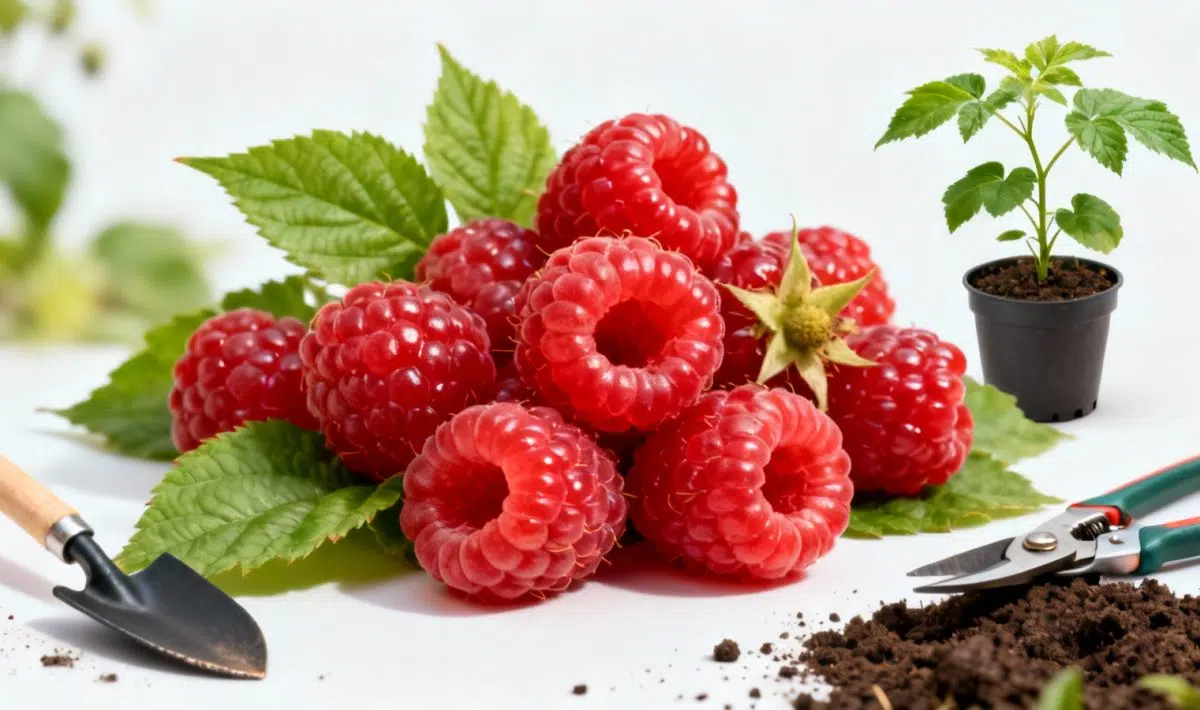
Red raspberry, known scientifically as Rubus idaeus, stands out as one of the most rewarding fruit plants you can grow in your garden. This vigorous perennial shrub from the Rosaceae family produces delicious, antioxidant-rich berries while requiring relatively straightforward care once established. Whether you’re a beginner gardener or experienced grower, understanding the basics of raspberry cultivation will help you enjoy abundant harvests for years to come.
Understanding red raspberry plant characteristics
The red raspberry develops as an upright or slightly arching shrub that typically reaches heights of 6 to 9 feet when mature. Its growth pattern involves producing new canes (stems) from underground roots, creating a spreading colony over time. The plant features compound leaves with three to five leaflets, small white flowers in spring, and of course, the coveted red fruits that ripen throughout summer and fall depending on the variety.
What makes raspberry cultivation particularly interesting is the biennial nature of the canes. Summer-bearing varieties produce fruit on second-year canes, while ever-bearing (also called fall-bearing) types fruit on first-year canes. This characteristic directly impacts how you’ll approach pruning and maintenance throughout the growing season.
The root system spreads horizontally, sending up new shoots called suckers. While this natural propagation method can be beneficial for expanding your raspberry patch, it also means you’ll need to manage growth to prevent the plants from taking over unwanted garden areas.
Optimal growing conditions for raspberry bushes
Soil requirements and preparation
Red raspberries thrive in well-draining soil with a pH between 6.0 and 7.0, though they tolerate a fairly wide range. The soil should be rich in organic matter, as these plants are heavy feeders that benefit from nutrient-dense growing mediums. Before planting, work compost or well-rotted manure into the soil to improve both drainage and fertility.
Good drainage proves absolutely critical for raspberry health. These plants cannot tolerate waterlogged conditions, which quickly lead to root rot and plant death. If your garden has heavy clay soil, consider creating raised beds or adding coarse sand and organic matter to improve drainage capacity.
Light and exposure preferences
Full sun exposure delivers the best fruit production, though raspberries can tolerate partial shade in hotter climates. Aim for at least six hours of direct sunlight daily for optimal growth and fruit quality. Morning sun with some afternoon shade can actually benefit plants in extremely hot summer regions.
Air circulation around the plants helps prevent fungal diseases that commonly affect raspberries. When planning your planting layout, ensure adequate spacing between rows and avoid planting in low-lying areas where air tends to stagnate.
Raspberry planting techniques and timing
The ideal planting time for raspberry plants falls in late winter or early spring, after the last hard frost but while plants remain dormant. This timing allows the root system to establish before the energy demands of new growth and fruit production begin.
Space raspberry plants 2 to 3 feet apart within rows, with rows separated by 6 to 8 feet. This spacing provides room for natural spreading while maintaining manageable access for harvesting and maintenance. Dig holes slightly larger than the root ball and plant at the same depth the plants grew in their nursery containers.
Water thoroughly after planting and apply a 3-inch layer of organic mulch around the base of each plant. Much like care tips for red maple trees focus on proper establishment, raspberry plants benefit from consistent moisture during their first growing season while roots develop.
Essential care and maintenance practices
Watering and fertilization
Raspberry plants require consistent moisture throughout the growing season, particularly during fruit development. Provide approximately 1 to 1.5 inches of water weekly through rainfall or irrigation. Deep, infrequent watering encourages strong root development better than frequent shallow watering.
Feed raspberry plants with a balanced fertilizer in early spring, followed by a second application after the first harvest for ever-bearing varieties. Organic options like compost, fish emulsion, or aged manure work excellently and improve soil structure while providing nutrients.
Pruning techniques for healthy growth
Proper pruning represents one of the most important aspects of raspberry care. For summer-bearing varieties, remove all canes that produced fruit immediately after harvest, as these will never fruit again. Keep 4 to 6 of the strongest new canes per plant for next year’s crop.
Ever-bearing varieties require different pruning approaches. You can cut all canes to ground level in late winter for a single fall crop, or selectively prune spent portions while leaving lower sections for a summer crop followed by fall production on new growth.
Regular pruning also involves removing weak, damaged, or diseased canes throughout the growing season. This practice improves air circulation and redirects the plant’s energy into producing stronger, more productive canes.
Propagation methods and expanding your raspberry patch
Red raspberries propagate naturally through underground runners that produce new plants, making expansion relatively straightforward. The most common propagation method involves transplanting these natural suckers that appear around established plants.
To propagate from suckers, carefully dig up rooted shoots in late fall or early spring while plants remain dormant. Choose healthy specimens with well-developed root systems and transplant them to prepared locations immediately. This method maintains the exact characteristics of the parent plant.
Root cuttings provide another reliable propagation technique. Cut pencil-thick roots into 3-4 inch sections during dormancy, plant them horizontally in seed trays, and maintain consistent moisture until new shoots emerge. Similar to how growing common blackberry bushes involves specific propagation timing, raspberry root cuttings work best when plant energy focuses on root development rather than top growth.
Variety selection and harvesting considerations
Choosing appropriate raspberry varieties for your climate and preferences significantly impacts your success. Summer-bearing varieties like ‘Boyne’ and ‘Red River’ offer concentrated harvest periods with excellent flavor, while ever-bearing types such as ‘Heritage’ and ‘Caroline’ extend the harvest season into fall.
Consider disease resistance when selecting varieties, particularly for regions with humid summers where fungal problems commonly occur. Some newer varieties offer improved resistance to common raspberry diseases while maintaining excellent fruit quality and production levels.
Harvest timing affects both fruit quality and plant health. Pick berries when they easily separate from the plant with gentle pressure, typically every 2-3 days during peak season. Regular harvesting encourages continued production and prevents overripe fruit from attracting pests or developing mold.
Common challenges and solutions
Raspberry plants face several potential challenges that proper care can prevent or minimize. Japanese beetles, spider mites, and cane borers represent common pest problems, while gray mold, anthracnose, and root rot pose disease threats in certain conditions.
Preventive measures work better than reactive treatments for most raspberry problems. Good air circulation, proper spacing, regular pruning, and avoiding overhead watering reduce many disease issues. For pest management, encouraging beneficial insects and using row covers during vulnerable periods often provides adequate protection.
Winter protection becomes important in areas with harsh freezes, though most red raspberry varieties tolerate cold well. In extreme climates, consider benefits of red clover cultivation as a beneficial companion plant that fixes nitrogen while providing living mulch around raspberry canes.
Container growing and small space solutions
Red raspberries adapt well to container growing, making them accessible for gardeners with limited space. Choose large containers at least 20 gallons in capacity with excellent drainage holes. Dwarf or compact varieties work best for container culture, requiring less support while producing full-sized fruit.
Container-grown raspberries need more frequent watering and feeding than ground-planted specimens. Use a high-quality potting mix enriched with compost, and plan to repot or divide plants every 2-3 years to maintain vigor. Winter protection becomes more critical for containerized plants, as roots experience greater temperature fluctuations than those insulated by ground soil.
Support systems for container raspberries can be simpler than traditional trellises. A single sturdy stake or small tomato cage often provides adequate support for compact varieties, while maintaining the manageable scale appropriate for deck or patio growing.
Companion planting and garden integration
Integrating raspberry plants successfully into diverse garden settings involves understanding their growth habits and companion plant relationships. Raspberries benefit from companions that don’t compete heavily for nutrients while offering pest deterrent properties or soil improvement benefits.
Avoid planting raspberries near plants in the nightshade family, as these can harbor diseases that affect berry crops. Instead, consider herbs like chives, garlic, or tansy that may help deter certain pests while requiring minimal space and resources.
The spreading nature of raspberry plants makes them excellent for creating natural barriers or privacy screens in larger landscapes. When managed properly through regular pruning and sucker removal, a raspberry hedge provides both beautiful spring flowers and delicious summer fruit while defining garden spaces effectively.
Much like growing and caring for oleanders requires understanding plant spacing needs, successful raspberry cultivation depends on providing adequate room for natural growth while maintaining control over unwanted spreading. With proper planning and consistent care, red raspberry plants reward gardeners with years of productive harvests and the satisfaction of growing their own premium fruit at home.

Allan is a lifelong gardening enthusiast who still gets excited when the first seedlings pop up in spring. With a deep love for nature and a hands-in-the-soil approach, he shares practical tips, plant discoveries, and clever tricks picked up over years of digging, planting, and observing. Whether you’re a new gardener or have a shed full of tools, Allan writes like a neighbor who’s always happy to swap cuttings and stories over the fence.
You can find more about Allan’s work on Malt or connect with him on LinkedIn.


