
Understanding Red Clover: An Essential Leguminous Plant
Red clover, scientifically known as Trifolium pratense, stands as one of the most valuable leguminous plants in modern agriculture and home gardening. This perennial species has gained recognition for its remarkable ability to fix atmospheric nitrogen while providing excellent forage for livestock. Originally native to Spain, this versatile plant has spread across temperate regions worldwide, becoming an indispensable crop for farmers and gardeners alike.
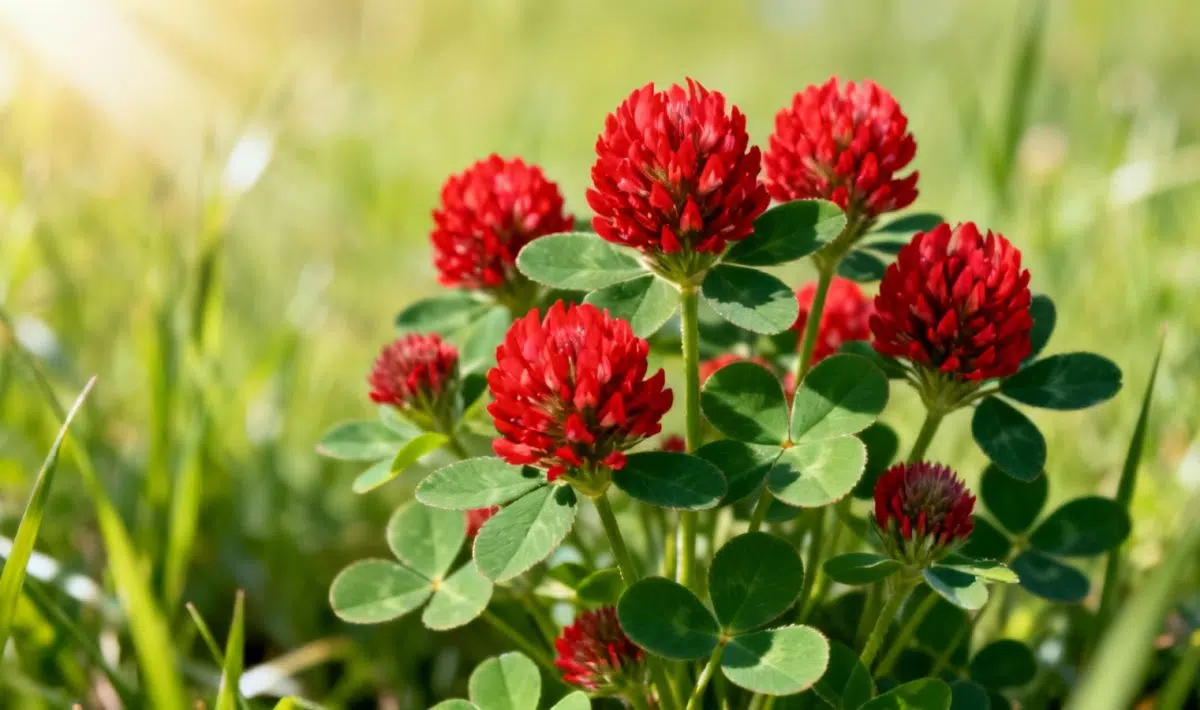
The plant’s distinctive appearance makes it easily recognizable in fields and meadows. Red clover typically grows between 5 to 50 cm in height, featuring dark green leaves marked with characteristic V-shaped patterns. Its most striking feature remains the pink-violet flower heads that bloom in globular clusters, attracting numerous pollinators throughout the growing season.
What sets this species apart from other cover crops is its dual purpose as both a soil improver and a protein-rich forage. Much like how gardeners appreciate the resilience of caring for oleander plants effectively, red clover offers exceptional value through its low-maintenance nature and multiple benefits.
Optimal Growing Conditions for Red Clover
Successfully cultivating Trifolium pratense requires understanding its specific environmental preferences. This adaptable plant thrives in well-drained soils with pH levels ranging from 6.0 to 7.0. The species performs best in areas receiving full sunlight, though it can tolerate partial shade conditions in certain climates.
Soil preparation plays a crucial role in establishing healthy red clover stands. The plant develops a deep taproot system that helps structure the soil while accessing nutrients from lower soil layers. This characteristic makes it particularly valuable for improving soil health in areas previously used for intensive cropping systems.
Temperature requirements vary depending on the variety chosen. Diploid varieties generally produce higher seed yields, ranging from 4-8 quintals per hectare, while tetraploid varieties like Atlantis show superior cold resistance but typically yield 20-30% less than their diploid counterparts. However, tetraploid varieties often perform better in grass associations, compensating for lower pure stands with improved mixed pasture production.
Soil and Nutrient Management
Red clover’s nitrogen-fixing capabilities make it an excellent green manure crop. The plant can add up to 2 tonnes of stable humus per hectare, significantly improving soil organic matter content. This process enhances soil structure and water retention while reducing the need for synthetic nitrogen fertilizers in subsequent crops.
Regular soil testing helps determine specific nutrient needs, particularly phosphorus and potassium levels. While the plant fixes its own nitrogen, adequate phosphorus availability ensures optimal nodulation and nitrogen fixation efficiency. Potassium supports overall plant health and winter hardiness in colder regions.
Propagation Methods and Seed Management
The most common propagation method for red clover involves direct seeding, typically performed in early spring or late summer depending on local climate conditions. Seed density recommendations vary by variety, with tetraploid varieties requiring approximately 20-25 kg per hectare for optimal establishment.
Proper seed preparation enhances germination rates significantly. Scarification treatments can improve hard seed germination, while inoculation with appropriate rhizobia bacteria ensures effective nitrogen fixation from the earliest growth stages. Similar attention to detail in propagation methods can be seen when propagating Capsicum annuum peppers easily, where proper seed treatment makes all the difference.
Germination typically occurs within 7-14 days under favorable conditions. Soil temperature should reach at least 10°C for consistent emergence, with moisture levels maintained but not waterlogged during the establishment period.
Seeding Techniques and Timing
Broadcasting remains the most popular seeding method, though drill seeding provides more uniform plant distribution. Seed should be placed at depths between 6-13 mm, depending on soil texture and moisture conditions. Lighter soils may require shallower planting depths to prevent seed burial.
Spring seedings generally perform better in northern regions, while fall plantings succeed in warmer climates with milder winters. Companion seeding with grasses can provide additional forage value and help suppress weed competition during establishment.
Care and Maintenance Throughout the Growing Season
Established red clover requires relatively minimal maintenance compared to many agricultural crops. Regular monitoring for pest issues and disease symptoms helps maintain healthy stands throughout the productive period. Common problems include aphids, root rots, and various fungal diseases that can impact plant vigor.
Cutting management significantly influences stand longevity and productivity. The first harvest should occur when plants reach early bloom stage, typically 60-70 days after emergence. This timing maximizes protein content while allowing sufficient energy reserves for regrowth. Just as growing hardy fuchsia plants successfully requires understanding proper pruning timing, red clover benefits from strategic cutting schedules.
Water management becomes critical during establishment and drought periods. While mature plants show good drought tolerance due to their deep root systems, young seedlings require consistent moisture for successful establishment. Irrigation during dry spells can significantly improve yields and stand persistence.
Pest and Disease Prevention
Prevention strategies focus on crop rotation, variety selection, and maintaining plant health through proper nutrition. Rotating away from leguminous crops for several years helps break disease cycles and reduces pest pressure. Choosing resistant varieties appropriate for local conditions provides the first line of defense against common problems.
Beneficial insects and pollinators naturally help control many pest species while supporting the plant’s role in biodiversity conservation. The flowers attract numerous beneficial species that contribute to overall ecosystem health, much like how caring for evergreen azaleas properly supports beneficial garden ecosystems.
Harvesting and Utilization
Red clover reaches peak nutritional value at early bloom stage, containing high levels of protein and digestible nutrients. Multiple harvests per season are possible, with second-year stands typically producing between 8-11 tonnes of dry matter per hectare under favorable conditions.
Beyond forage production, red clover serves multiple purposes in sustainable agriculture systems. Its ability to suppress weeds naturally reduces herbicide requirements, while the nitrogen fixation capability decreases fertilizer costs for subsequent crops. The plant’s melliferous properties support honeybee populations and other pollinators essential for agricultural productivity.
Seed production requires different management approaches, with stands typically maintained for 2-3 years before replacement. Seed yields depend heavily on pollinator activity and weather conditions during flowering periods.
Whether used as livestock forage, green manure, or wildlife habitat enhancement, red clover continues proving its value across diverse agricultural and environmental applications. Its combination of soil improvement, nitrogen fixation, and high-quality forage production makes it an indispensable component of sustainable farming systems worldwide.

Allan is a lifelong gardening enthusiast who still gets excited when the first seedlings pop up in spring. With a deep love for nature and a hands-in-the-soil approach, he shares practical tips, plant discoveries, and clever tricks picked up over years of digging, planting, and observing. Whether you’re a new gardener or have a shed full of tools, Allan writes like a neighbor who’s always happy to swap cuttings and stories over the fence.
You can find more about Allan’s work on Malt or connect with him on LinkedIn.


