
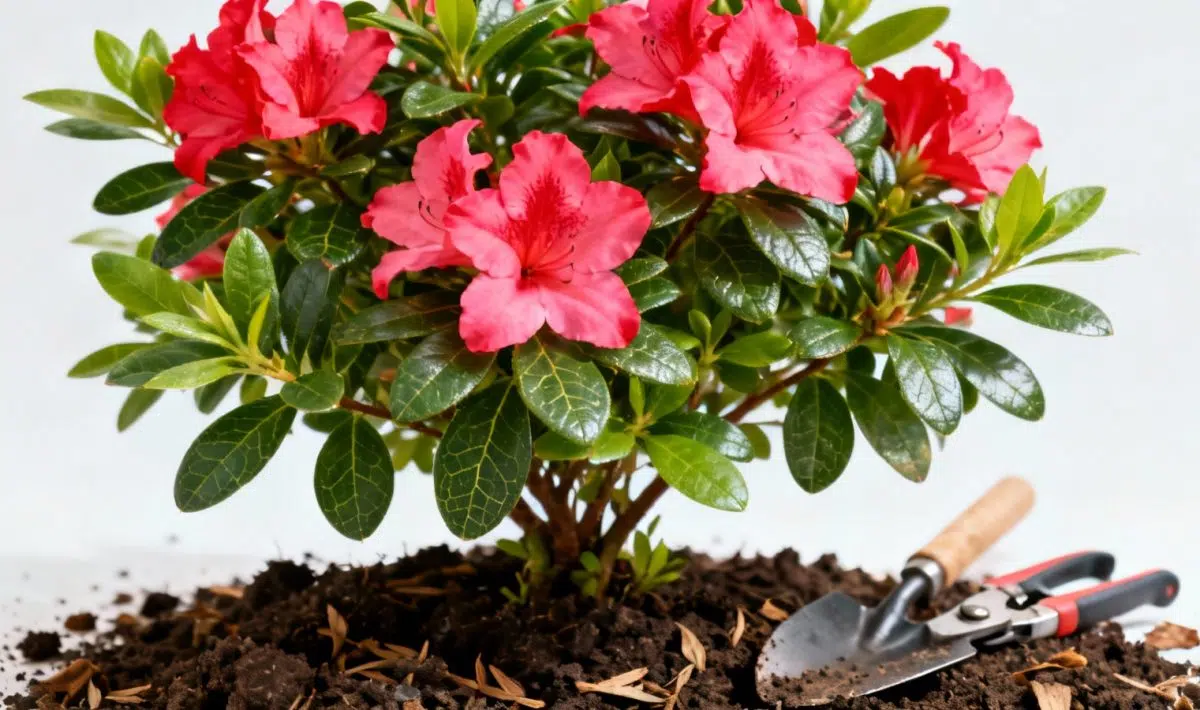
Today, I’m excited to share everything you need to know about one of the most stunning flowering shrubs for your garden – the evergreen azalea, scientifically known as Rhododendron indicum. This remarkable plant offers year-round beauty with its persistent foliage and spectacular blooms that can transform any garden space into a tropical paradise.
Understanding the evergreen azalea
The Rhododendron indicum stands out among flowering shrubs for its unique characteristics. Unlike deciduous varieties, this exotic plant maintains its green leaves throughout the year, making it an excellent choice for gardeners seeking continuous visual interest. Originally from Japan and parts of Asia, this hardy tree has adapted well to various climates and growing conditions worldwide.
What makes this plant particularly special is its incredible diversity of varieties. You’ll find flowers ranging from pure white and soft pink to vibrant orange and deep rouge colors. Some hybrid forms even display stunning purple and noir combinations that create dramatic focal points in any garden design.
The evergreen azalea typically grows as a compact shrub, though some varieties can develop into small trees over time. Their dense foliage creates perfect ombre conditions beneath, making them excellent companion plants for shade-loving species. Just as caring for potato plants effectively requires specific conditions, these rhododendrons thrive when their particular needs are met.
Optimal growing conditions
Soil requirements and drainage
The foundation of successful evergreen azalea culture lies in proper soil preparation. These plants demand acidic terre with a pH between 4.5 and 5.5. The soil should be rich in organic matter, well-draining, and consistently moist without becoming waterlogged. Heavy clay soils often prove problematic, while sandy loam amended with compost creates ideal growing conditions.
Good drainage is crucial because waterlogged roots quickly lead to plant death. Consider raising planting beds or adding organic amendments to improve soil structure. Mixing peat moss, composted leaves, and aged bark creates the perfect growing medium for these tropical beauties.
Light and exposure needs
Evergreen azaleas prefer partial shade or filtered sunlight. In their natural forest habitat, they grow beneath larger trees that provide dappled light throughout the day. Full sun can stress these plants, especially in hot climates, while deep shade reduces flowering significantly.
Morning sun with afternoon shade often provides the perfect balance. This exposure allows adequate light for photosynthesis while protecting delicate flowers and leaves from harsh midday rays. In cooler climates, they can tolerate more direct sunlight than in warmer regions.
Watering and humidity
Consistent moisture is essential for healthy growth. These plants have shallow root systems that dry out quickly, especially during hot weather. Deep, infrequent watering encourages deeper root development, while frequent shallow watering creates weak, surface-dwelling roots.
Mulching around the base helps retain soil moisture and regulates terre temperature. Organic mulches like shredded bark or composted leaves work best, gradually decomposing to enrich the soil naturally.
Planting and establishment
Proper planting techniques set the stage for years of beautiful blooms. When selecting a location, consider the mature size of your chosen variety and plan accordingly. Some compact forms stay under three feet, while others can reach six feet or more.
Dig planting holes twice as wide as the root ball but no deeper. The top of the root ball should sit slightly above ground level to ensure proper drainage. Backfill with amended soil, water thoroughly, and apply a layer of organic mulch.
Spring and fall offer the best planting windows. Spring planting allows roots to establish before summer heat, while fall planting takes advantage of cooler temperatures and increased rainfall. Much like growing common borage in your garden, timing plays a crucial role in establishment success.
Maintenance and care
Pruning and shaping
Evergreen azaleas require minimal pruning compared to many other flowering shrubs. Dead-heading spent flowers encourages continued blooming and prevents energy waste on seed production. Remove any dead, damaged, or crossing branches as needed throughout the growing season.
Major pruning should occur immediately after flowering ends. These plants set next year’s flower buds by midsummer, so late pruning eliminates future blooms. Light shaping maintains desired form without sacrificing flowering potential.
Fertilization needs
These acid-loving plants benefit from specialized fertilizers designed for azaleas and rhododendrons. Apply fertilizer in early spring before new growth begins, following package directions carefully. Over-fertilization can damage roots and reduce flowering.
Organic options like composted manure or fish emulsion provide gentle, slow-release nutrition. These natural fertilizers improve soil structure while feeding plants gradually throughout the growing season.
Propagation techniques
Several methods work well for propagating evergreen azaleas, each with distinct advantages. Understanding these techniques allows gardeners to expand their collections or share favorite varieties with friends.
Cutting propagation
Softwood cuttings taken in late spring or early summer root most reliably. Select healthy, non-flowering shoots about four to six inches long. Remove lower leaves and dip cutting ends in rooting hormone before planting in well-draining potting mix.
Maintain consistent moisture and humidity while cuttings develop roots. A plastic tent or misting system helps create ideal conditions. Most cuttings root within six to eight weeks under proper conditions.
Seed propagation
Growing from seed offers the excitement of potential new varieties, though results may vary from parent plants. Collect seeds from dried seed pods in late fall, storing them in cool, dry conditions until spring planting.
Sow seeds on the surface of sterile seed-starting mix, barely covering them with fine material. Keep consistently moist and provide bright, indirect light. Germination typically occurs within two to four weeks.
Similar to techniques used for understanding old man’s beard clematis, patience is key when growing from seed, as young plants develop slowly.
Layering method
Air layering works particularly well for evergreen azaleas. Select a healthy branch, make a shallow wound in the bark, and surround the area with moist sphagnum moss. Wrap with plastic and secure both ends.
Roots typically develop within several months. Once established, cut below the new root system and plant the new specimen. This method ensures genetic consistency with the parent plant.
Common challenges and solutions
Even well-cared-for plants occasionally face problems. Understanding common issues helps gardeners respond quickly and effectively. Poor drainage causes more problems than almost any other factor, leading to root rot and plant decline.
Pest issues include lace bugs, spider mites, and scale insects. Regular monitoring allows early intervention when problems are most manageable. Natural predators often control pest populations when chemical treatments are avoided.
Chlorosis, or yellowing leaves, typically indicates iron deficiency caused by alkaline soil conditions. Applying iron chelate or adjusting soil pH usually resolves this issue. Just as with tips for propagating sugarberry trees, proper soil conditions make all the difference.
Seasonal care calendar
Success with evergreen azaleas depends on understanding their seasonal needs. Spring brings new growth and spectacular flowering displays. This is prime time for fertilizing, light pruning, and monitoring for pest activity.
Summer care focuses on consistent watering and mulch maintenance. Hot weather stresses these plants, making adequate moisture crucial for survival. Fall preparation includes reducing watering frequency and protecting tender varieties from early frost.
Winter protection varies by climate and variety. Hardy forms tolerate significant cold, while tender varieties need protection from harsh winds and extreme temperatures. Proper fall care helps plants enter dormancy in optimal condition.
Growing evergreen azaleas successfully requires attention to their specific needs, but the rewards are tremendous. These versatile shrubs provide year-round structure, seasonal color, and habitat for beneficial wildlife. With proper care and suitable varieties, gardeners can enjoy decades of beauty from these remarkable plants.

Allan is a lifelong gardening enthusiast who still gets excited when the first seedlings pop up in spring. With a deep love for nature and a hands-in-the-soil approach, he shares practical tips, plant discoveries, and clever tricks picked up over years of digging, planting, and observing. Whether you’re a new gardener or have a shed full of tools, Allan writes like a neighbor who’s always happy to swap cuttings and stories over the fence.
You can find more about Allan’s work on Malt or connect with him on LinkedIn.


