
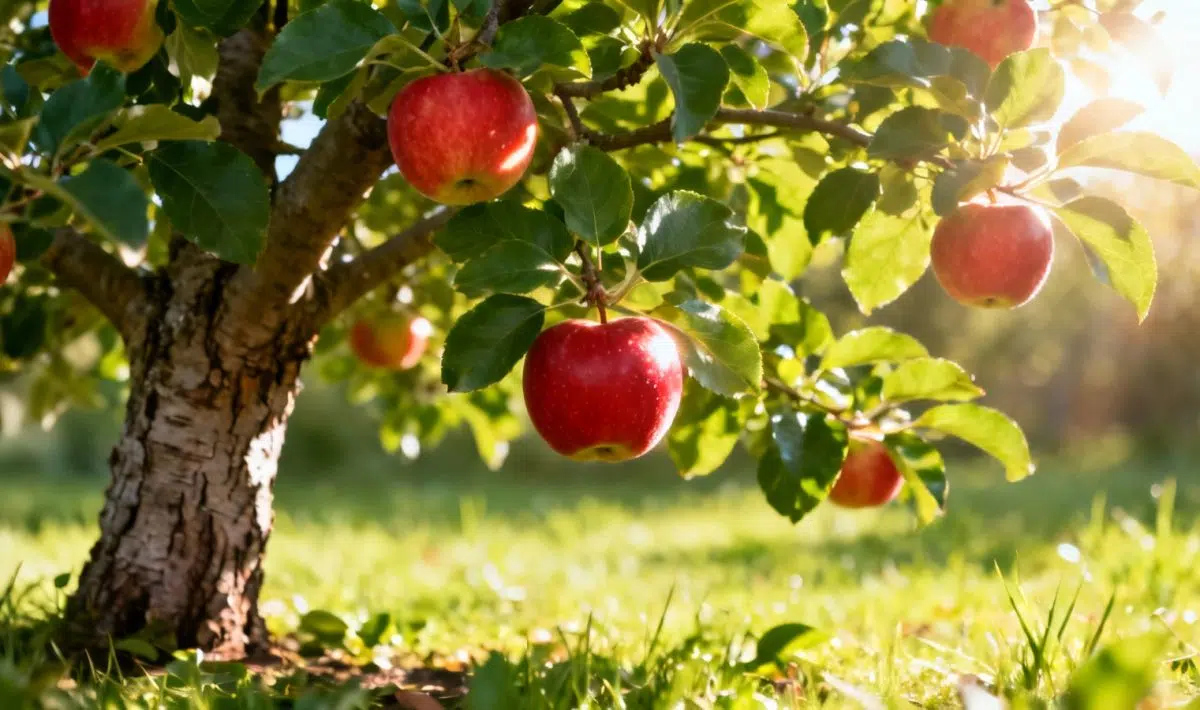
Understanding sunlight requirements for apple trees
When you plant apple trees in your garden, understanding how much sunlight they need becomes crucial for your success. Apple trees are sun-loving plants that require substantial daily light exposure to thrive and produce those delicious fruits you’re hoping for. Without adequate sunlight, your apple trees will struggle with poor growth, reduced flowering, and disappointing harvests.
Most apple varieties need at least 6 to 8 hours of direct sunlight each day for optimal performance. This generous sun exposure supports the photosynthesis process that fuels growth and fruit development. Your apple trees will thank you for placing them in the sunniest spot available in your outdoor space.
Factors that influence apple tree sun needs
The amount of sunlight your apple trees require can vary based on several important factors. Climate plays a significant role – in cooler regions, your trees may benefit from maximum sun exposure, while in extremely hot areas, some afternoon shade can prevent stress. Additionally, the variety you choose matters, as some apple types are more tolerant of partial shade than others.
Soil quality also affects how well your trees utilize available sunlight. Rich, well-draining soil helps your apple trees make the most of their sun exposure, while poor soil can limit their ability to convert sunlight into energy effectively. Just as understanding sunlight requirements for bottlebrush plants helps with other garden plants, knowing your specific conditions helps you provide the best care for your apple trees.
Seasonal sunlight considerations
Throughout the growing season, your apple trees will experience varying sun patterns. Spring sunlight encourages bud break and flowering, while summer sun supports fruit development and ripening. Fall sun helps your trees store energy for winter dormancy, making year-round sun exposure valuable for long-term tree health.
Optimizing sun exposure for your apple trees
Choosing the right location for your apple trees makes all the difference in their success. Look for spots that receive morning sun, which helps dry dew from leaves and reduces disease risk. Southern or southeastern exposures typically provide the best all-day sun coverage that apple trees crave.
Avoid planting your apple trees too close to buildings, fences, or other large plants that might cast shadows during peak sun hours. Even temporary shade from nearby structures can significantly impact your trees’ performance over time. Good planning today will reward you with healthy, productive trees for years to come.
Container growing and sunlight
If you’re growing apple trees in containers, you have the advantage of mobility. You can move your potted trees to follow the sun throughout the day or season. However, container plants often need more careful attention to sun exposure, as the confined roots make them more sensitive to both insufficient light and excessive heat.
For indoor or patio growing, ensure your containers receive at least 6 hours of direct sunlight daily. South-facing patios or decks usually provide the best conditions. If natural light is limited, consider supplementing with grow lights to meet your trees’ needs.
Signs your apple trees need more sun
Your apple trees will show clear signs when they’re not getting enough sunlight. Weak, spindly growth with long spaces between leaves indicates insufficient light. Poor flowering or fruit set also suggests your trees are struggling with inadequate sun exposure.
Leaves may appear pale or yellowish when trees don’t receive enough light for proper photosynthesis. Additionally, your trees may become more susceptible to diseases and pests when weakened by poor light conditions. Learning to identify sunburned plants easily also helps you recognize when you might have the opposite problem of too much intense sun.
Adjusting for insufficient sunlight
If your apple trees aren’t getting enough sun in their current location, you have several options. Young trees can often be transplanted to sunnier spots, though this requires careful planning and timing. When considering relocation, techniques for stress-free plant repotting techniques can help minimize transplant shock.
Alternatively, you can improve light penetration by pruning nearby trees or shrubs that cast shade. Removing lower branches on your apple trees themselves can also help redirect energy to the well-lit upper portions of the canopy.
Companion planting and sun management
When planning your garden layout, consider how companion plants might affect your apple trees’ sun exposure. Low-growing herbs and vegetables can thrive in the partial shade beneath apple trees without competing for sunlight. This approach maximizes your garden space while ensuring your trees get the sun they need.
Creating diversity in your garden doesn’t mean sacrificing your apple trees’ sun requirements. Strategic companion planting can actually help protect young trees from intense afternoon sun while maintaining adequate overall light exposure. For instance, when starting a mini herb garden quickly , you can position it to complement rather than compete with your fruit trees.
Long-term sun planning for apple success
As your apple trees mature, their sun needs will remain consistently high, but their ability to compete for light will improve. Established trees with strong root systems can better utilize available sunlight than young plants. However, maintaining good sun exposure remains critical throughout their productive life.
Consider how your landscape will change over time when selecting planting sites. Trees and shrubs that seem small today may eventually shade your apple trees. Planning for future growth ensures your investment in apple trees will continue paying dividends with healthy growth and abundant fruit production for years to come.
Remember that providing adequate sunlight is one of the most important gifts you can give your apple trees. With proper sun exposure, good soil, and regular care, your trees will reward you with beautiful blossoms and delicious fruit that make all your efforts worthwhile.

Allan is a lifelong gardening enthusiast who still gets excited when the first seedlings pop up in spring. With a deep love for nature and a hands-in-the-soil approach, he shares practical tips, plant discoveries, and clever tricks picked up over years of digging, planting, and observing. Whether you’re a new gardener or have a shed full of tools, Allan writes like a neighbor who’s always happy to swap cuttings and stories over the fence.
You can find more about Allan’s work on Malt or connect with him on LinkedIn.


