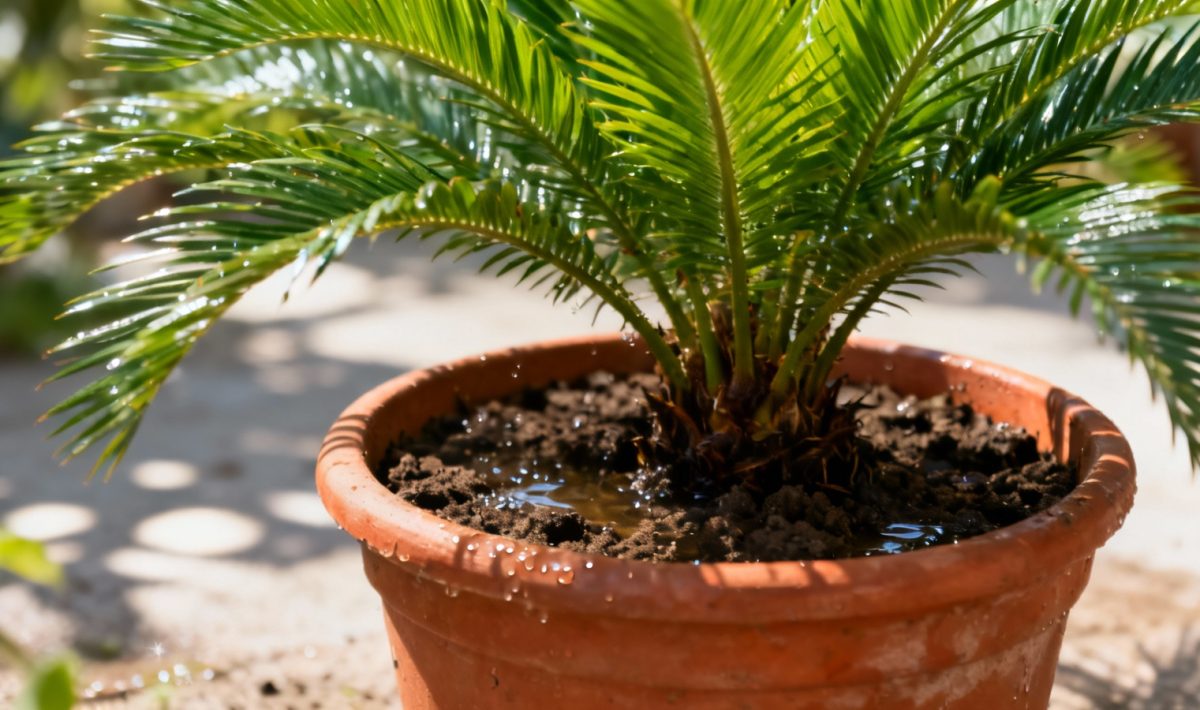
Sago palms are fascinating plants that often confuse gardeners with their watering requirements. Despite their tropical appearance, these ancient cycads actually prefer moderate moisture levels and can suffer when given too much attention. The key to success lies in understanding that they’re drought-tolerant plants with specific needs that change throughout the year.
Your sago palm’s watering schedule depends heavily on several factors including the season, plant size, and growing conditions. During the active growing season in spring and summer, you’ll typically need to water once per week for potted plants. However, this frequency should be adjusted based on your local climate and the plant’s response to your care routine.
Seasonal watering patterns for optimal growth
Summer brings the most active growth period for your sago palm, requiring consistent moisture to support new frond development. During these warmer months, check the soil every few days and water when the top 2-3 inches feel dry to the touch. This usually translates to weekly watering sessions for container plants, though outdoor specimens may need more frequent attention during heat waves.
Winter care requires a completely different approach as your sago palm enters dormancy. Reduce watering to every 2-4 weeks, allowing the soil to dry out more thoroughly between sessions. This mimics their natural habitat conditions and prevents the root rot that commonly affects over-watered plants during cooler months.
For gardeners dealing with extreme weather conditions, understanding proper plant care becomes crucial. Just as with frequency of watering tomatoes in heat, sago palms need adjusted schedules during intense summer periods.
Deep watering techniques that work
When you water your sago palm, always aim for deep, thorough soaking rather than frequent light sprinklings. This encourages the roots to grow deeper and makes the plant more resilient during dry spells. Pour water slowly around the base until you see it draining from the bottom holes of containers or penetrating deeply into garden soil.
The quality of water you use matters more than many gardeners realize. Sago palms prefer slightly acidic conditions and can be sensitive to heavily chlorinated tap water. If possible, use rainwater or let tap water sit overnight before using it on your plants.
Signs your watering schedule needs adjustment
Learning to read your sago palm’s signals will help you perfect your watering routine over time. Healthy plants display vibrant green fronds with steady growth during the growing season. Yellow or browning fronds often indicate watering issues, though the cause could be either too much or too little moisture.
Overwatering typically causes fronds to turn yellow from the bottom up, while the soil remains soggy and may develop an unpleasant smell. Underwatering creates crispy, brown edges on fronds and causes the entire plant to look stressed and wilted.
Environmental stress can also affect your plant’s appearance, similar to how signs of sunburned plants become visible when growing conditions aren’t optimal.
Container vs. ground planting considerations
Potted sago palms require more frequent watering than those planted directly in the ground. Container plants dry out faster due to increased air circulation around the pot and limited soil volume. Check these plants every few days during summer and adjust your schedule accordingly.
Ground-planted specimens develop extensive root systems that can access moisture from deeper soil layers. These plants typically need watering only during extended dry periods or extreme heat. Focus on deep, infrequent watering sessions that encourage strong root development.
When repotting becomes necessary, proper technique helps minimize watering stress. Following expert advice on stress-free repotting techniques ensures your sago palm continues thriving in its new container.
Common watering mistakes to avoid
Many gardeners kill their sago palms with kindness by watering too frequently. These plants evolved in harsh conditions and actually prefer slight drought stress over constant moisture. Always check soil moisture before watering and resist the urge to water on a strict schedule regardless of conditions.
Another frequent error involves watering the crown or center of the plant where new growth emerges. This area should stay relatively dry to prevent rot and fungal infections. Direct water toward the soil around the base of the plant instead.
Seasonal adjustments often get overlooked as gardeners stick to summer routines year-round. Your sago palm’s metabolism slows dramatically in winter, requiring much less water. Continuing frequent watering during dormancy is one of the quickest ways to damage these otherwise resilient plants.
Creating the ideal growing environment
Proper drainage is absolutely critical for sago palm health and directly affects your watering success. Whether growing in containers or garden beds, ensure excess water can escape freely. Heavy clay soils may need amendment with sand or perlite to improve drainage.
Understanding your local ecosystem helps create better growing conditions. Just as beneficial bugs for your garden contribute to plant health, proper soil organisms and drainage create an environment where your sago palm can thrive with minimal intervention.
Consistent watering practices, similar to those used for watering tips for black-eyed susans, help establish healthy root systems that support long-term plant vigor.
Troubleshooting watering problems
If your sago palm shows signs of stress despite careful watering, consider environmental factors that might be affecting its water needs. High temperatures, strong winds, and low humidity all increase water requirements and may necessitate more frequent watering than usual.
Soil type plays a crucial role in water retention and drainage. Sandy soils drain quickly and may require more frequent watering, while clay-heavy soils hold moisture longer but can become waterlogged easily. Test your soil’s drainage by digging a small hole and filling it with water to see how quickly it drains.
Sometimes the solution involves adjusting your entire approach to plant care, much like learning pruning methods for berry bushes requires understanding each plant’s specific needs and growth patterns.
Long-term success strategies
Developing a sustainable watering routine takes patience and observation. Keep notes about your watering schedule and your plant’s response to different frequencies. This information becomes invaluable for fine-tuning your approach and avoiding problems before they become serious.
Remember that mature sago palms are incredibly drought-tolerant and can survive extended periods without water once established. Young plants need more consistent moisture to develop strong root systems, but even they should never be kept constantly wet.
Success with sago palms comes from understanding their natural growing conditions and adapting your care routine accordingly. These ancient plants have survived for millions of years by being tough and adaptable, qualities that make them excellent choices for gardeners who prefer low-maintenance landscapes.
Allan is a lifelong gardening enthusiast who still gets excited when the first seedlings pop up in spring. With a deep love for nature and a hands-in-the-soil approach, he shares practical tips, plant discoveries, and clever tricks picked up over years of digging, planting, and observing. Whether you’re a new gardener or have a shed full of tools, Allan writes like a neighbor who’s always happy to swap cuttings and stories over the fence.
You can find more about Allan’s work on Malt or connect with him on LinkedIn.