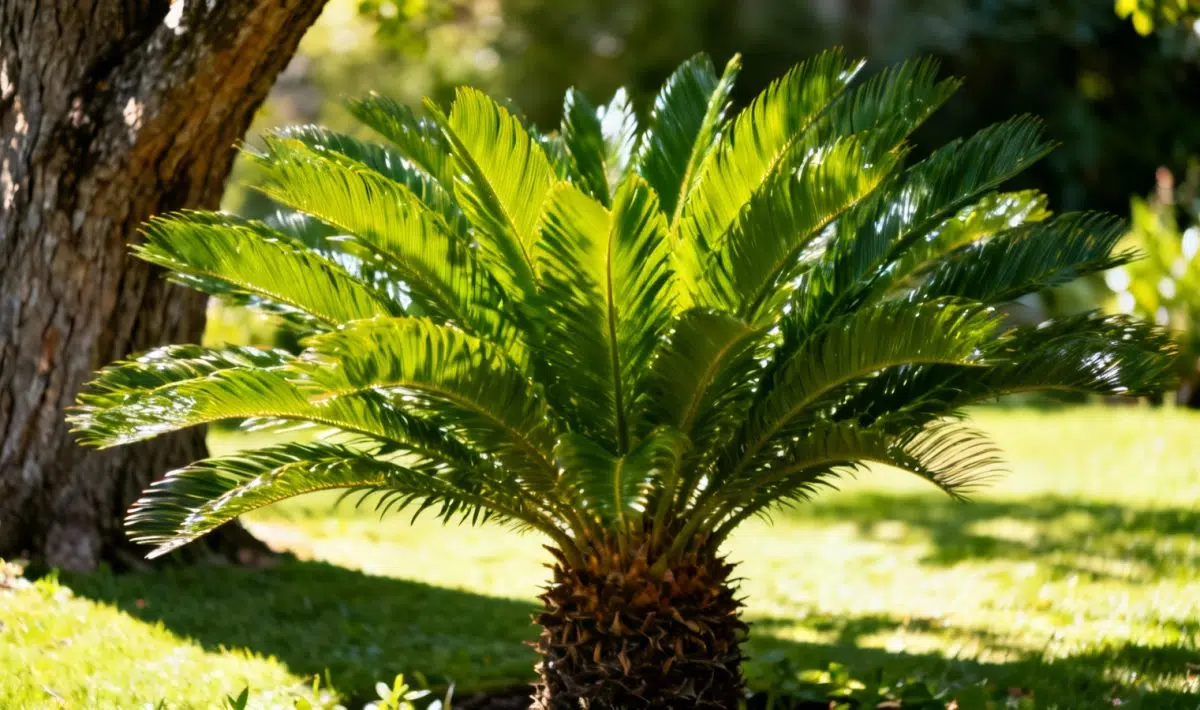
How much sunlight does Sago palm need – care and growing tips
The Sago palm, scientifically known as Cycas revoluta, has captured the hearts of plant enthusiasts worldwide with its prehistoric charm and elegant fronds. Understanding how much sunlight does Sago palm need is crucial for anyone wanting to grow this magnificent cycad successfully. Despite its name, this striking plant isn’t actually a palm but belongs to an ancient group of plants that existed alongside dinosaurs.
Your Sago palm thrives best in bright, indirect light or partial shade conditions. This ancient cycad naturally prefers filtered sunlight that mimics its native habitat in southern Japan. While these plants can tolerate direct morning sun, intense afternoon light can scorch their delicate fronds and cause permanent damage.
The ideal lighting setup provides about 6 to 8 hours of bright, indirect light each day. This balance ensures proper photosynthesis while preventing leaf burn. Many growers find success placing their Sago palms near east-facing windows where they receive gentle morning light but avoid harsh afternoon rays.
Interestingly, similar to how sunlight needs for coconut palms require specific conditions, Cycas revoluta has evolved to handle varying light intensities throughout different seasons. However, consistency remains key for optimal growth.
Indoor placement for optimal growth
When growing your Sago palm indoors, positioning becomes absolutely critical for its health. Place the plant within 3 to 6 feet of a bright window, but ensure it’s not receiving direct sunlight for extended periods. South-facing windows often provide too much intensity, while north-facing windows may not offer sufficient light.
The living space you choose should have consistent lighting throughout the day. Sudden changes from bright to dark areas can stress the plant and slow its already leisurely growth rate. Remember, this isn’t like caring for faster-growing plants such as coriander’s sunlight requirements which adapt more quickly to changing conditions.
Regular rotation of your potting container helps ensure even growth. Turn the plant a quarter turn every few weeks so all sides receive equal light exposure. This prevents the characteristic lean that develops when plants grow toward their light source.
Recognizing light stress symptoms
Too much light manifests as yellow or brown leaf tips, while insufficient light causes elongated growth and pale green coloration. The trunk may also become weak and unable to support the weight of the fronds properly. These symptoms develop gradually, often over weeks or months.
Watch for leaves that appear stretched or unusually long, as this indicates your plant is reaching for more light. Conversely, crispy or burned-looking fronds suggest excessive direct sun exposure that needs immediate correction.
Outdoor growing considerations
For outdoor cultivation, Sago palms perform exceptionally well in partially shaded areas with filtered sunlight. Plant them under the canopy of larger trees or in spots that receive morning sun but afternoon shade. This mimics their natural habitat and prevents heat stress during peak summer days.
The soil mix should drain well while retaining some moisture, as waterlogged conditions combined with intense sunlight can lead to root rot. A blend of potting soil, perlite, and organic matter creates the perfect growing medium for your cycas.
Unlike faster-growing plants that need constant attention to their sunlight tips for parlor palms, Sago palms adapt slowly to their environment. This means any adjustments to their light exposure should be made gradually over several weeks.
Seasonal light adjustments
During winter months, you may need to move indoor plants closer to windows or supplement with grow lights. The reduced daylight hours and weaker sun intensity can slow growth even further than usual. However, avoid placing them too close to heating vents or radiators, as dry air can damage the fronds.
Summer brings the opposite challenge, with potentially too much intense light. Monitor your plants closely during heat waves and provide additional shade if necessary. A light cloth or screen can filter harsh rays while maintaining adequate brightness.
Artificial lighting options
LED grow lights offer an excellent supplement for indoor Sago palms, especially during darker months. Position the lights 12 to 18 inches above the plant and run them for 10 to 12 hours daily. Full-spectrum LED units work best, as they provide the complete range of light wavelengths needed for healthy growth.
The key is consistency rather than intensity. Your Cycas revoluta prefers steady, moderate lighting over bright flashes or extended dark periods. This stable approach supports the slow but steady growth pattern these ancient plants are known for.
Consider that other plants like evening primrose sunlight needs may require different artificial lighting setups, so adjust your approach specifically for your Sago palm’s unique requirements.
Creating the perfect environment
Beyond lighting, humidity plays a crucial role in your plant’s health. Maintain humidity levels between 50-60% to complement the proper light conditions. Dry air combined with bright light can stress the plant and lead to brown leaf tips.
Water your Sago palm when the top inch of soil feels dry, but never let it sit in standing water. The combination of proper lighting and appropriate watering creates the foundation for a thriving plant that will grace your home or garden for decades.
Long-term care and investment
Purchasing a healthy Sago palm represents a long-term investment in your plant collection. These slow-growing beauties can live for decades with proper care, making the initial prix worthwhile for serious plant enthusiasts. When considering delivery options, ensure your new plant will arrive in good condition and can be immediately placed in appropriate lighting.
The time and patience required to grow a magnificent Sago palm makes each new frond emergence a celebration. With proper light management, your Cycas revoluta will reward you with its distinctive prehistoric beauty and commanding presence in any space.
Remember that establishing the right lighting conditions from the beginning sets your plant up for success. Whether you’re growing indoors or outdoors, understanding and providing the optimal light requirements ensures your Sago palm will thrive and become a stunning centerpiece in your plant collection for years to come.
Allan is a lifelong gardening enthusiast who still gets excited when the first seedlings pop up in spring. With a deep love for nature and a hands-in-the-soil approach, he shares practical tips, plant discoveries, and clever tricks picked up over years of digging, planting, and observing. Whether you’re a new gardener or have a shed full of tools, Allan writes like a neighbor who’s always happy to swap cuttings and stories over the fence.
You can find more about Allan’s work on Malt or connect with him on LinkedIn.