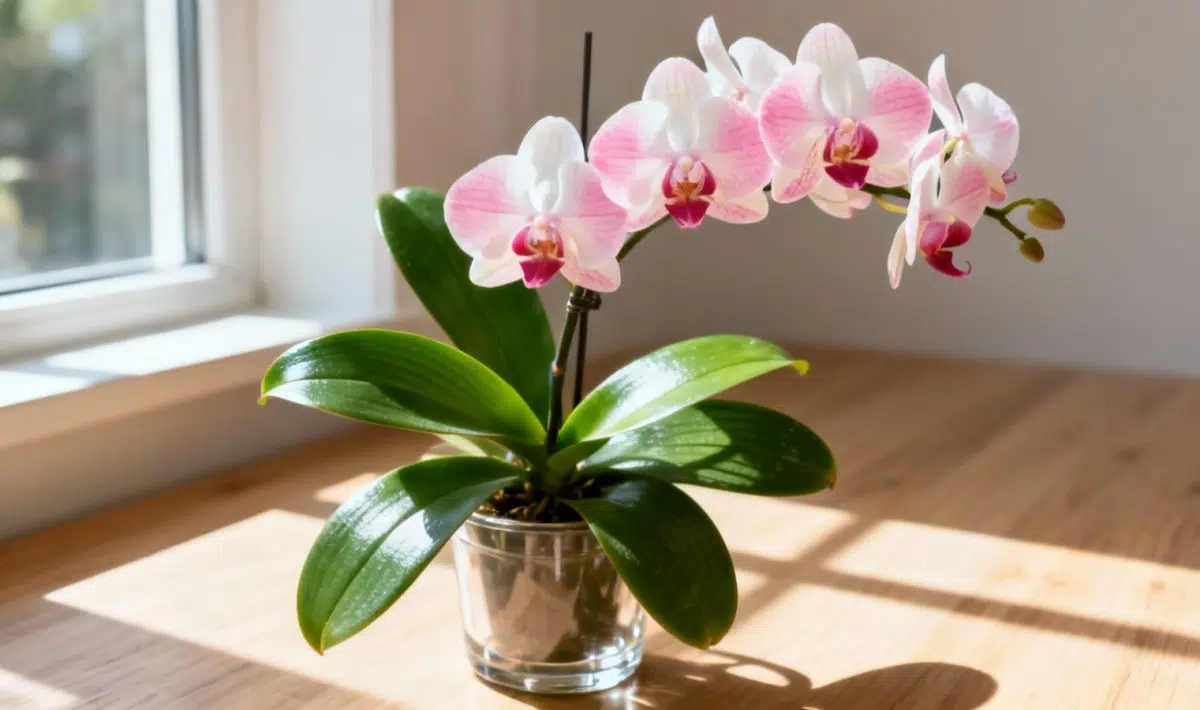
How much sunlight does Aphrodite’s phalaenopsis need for optimal growth
Today I’m excited to share everything you need to know about caring for one of the most stunning orchids in your collection. How much sunlight does Aphrodite’s phalaenopsis need? The answer might surprise you – these elegant flowers thrive with just the right amount of indirect light, and getting it wrong can make or break your orchid’s health.
Let me walk you through the lighting secrets that will keep your Aphrodite’s phalaenopsis blooming beautifully year after year. After growing these gorgeous plants for years, I’ve learned that understanding their light needs is absolutely crucial for success.
Your Aphrodite’s phalaenopsis needs approximately 3 to 6 hours of bright, indirect sunlight daily. Think of it as filtered sunshine rather than the harsh direct rays you might give other plants. These orchids originally grew in tropical forests where they received dappled light through tree canopies.
The key word here is “indirect” – direct sunlight will actually harm your orchid rather than help it. I’ve seen too many beautiful phalaenopsis suffer from sunburn because their owners thought more sun meant better growth. Just like with Aloe vera sunlight care guide, finding the sweet spot is essential.
Place your orchid near an east or west-facing window where it catches gentle morning or evening light. This positioning gives your plant the energy it needs without the intensity that causes leaf damage.
Optimal indoor placement for your orchid
Finding the perfect spot indoors requires a bit of experimentation, but I’ll share what works best. Position your Aphrodite’s phalaenopsis about 2-3 feet away from a south-facing window, or directly in front of an east or west window.
If you only have south-facing windows available, use a sheer curtain to filter the light. This creates the perfect diffused lighting that mimics your orchid’s natural habitat. The goal is bright light that doesn’t create harsh shadows or heat buildup.
Consider the changing seasons too – what works in winter might be too intense in summer. I often move my orchids slightly further from windows during the brightest months to prevent stress.
Signs your phalaenopsis is getting the wrong amount of light
Learning to read your plant’s signals is incredibly helpful for adjusting its care. Too little light typically shows up as dark green leaves that look healthy but produce few or no flowers. Your orchid might also develop longer, weaker growth as it stretches toward available light sources.
On the flip side, too much direct sunlight creates obvious warning signs. Look for yellowing leaves, brown or reddish spots, or leaves that feel hot to the touch. Similar to how you might notice issues described in identifying sunburned plants, orchid sunburn is quite distinctive once you know what to watch for.
Healthy leaves should be a medium green color with a slight glossy appearance. They shouldn’t be so dark they look almost black, nor so light they appear washed out or yellow.
Seasonal adjustments for consistent care
Your lighting strategy needs to change with the seasons, just like caring for other plants in your collection. During spring and summer, the sun is more intense and lasts longer, so you might need to move your orchid further from windows or add more filtering.
Winter presents the opposite challenge – shorter days and weaker sunlight might require moving your plant closer to windows or supplementing with artificial light. I’ve found that consistency matters more than perfection, so small adjustments work better than dramatic changes.
Many orchid enthusiasts successfully use LED grow lights during darker months. If you’re considering this route, position the lights about 12-18 inches above your plants and run them for 12-14 hours daily.
Creating the ideal growing environment
Light is just one piece of the puzzle, but it works together with other environmental factors. Temperature stability helps your orchid process light more effectively – aim for daytime temperatures between 70-80°F and nighttime temperatures about 10 degrees cooler.
Humidity plays a supporting role too. While you’re perfecting the lighting, maintain humidity levels around 40-60% for optimal growth. This combination of proper light and humidity creates conditions similar to your orchid’s natural tropical habitat.
Air circulation matters as much as light quality. Gentle airflow helps prevent fungal issues that can develop in the humid conditions orchids prefer, especially when combined with bright indirect light.
Comparing phalaenopsis with other plants
Understanding how your orchid’s needs differ from other plants helps avoid common mistakes. Unlike plants that need intense direct sunlight such as those covered in sunlight needs for apple trees, phalaenopsis orchids are much more sensitive to light intensity.
Even compared to other flowering plants like those discussed in sunlight requirements for bottlebrush plants, orchids require significantly more filtered, gentle light rather than direct exposure.
Think of your phalaenopsis as preferring the lighting conditions you’d find in a bright office rather than a sunny garden. This perspective helps when you’re setting up your growing space.
Troubleshooting common lighting problems
When things go wrong with orchid lighting, the problems usually develop slowly, which makes them easy to miss at first. If your orchid stops blooming but otherwise looks healthy, insufficient light is often the culprit. Try moving it to a slightly brighter location and wait several months to see results.
Conversely, if leaves develop brown spots or feel unusually warm, reduce light intensity immediately. Move the plant further from windows or add filtering material to prevent further damage.
Remember that orchids are slow to show changes, whether positive or negative. Give any lighting adjustments at least 4-6 weeks before making additional changes. Patience really pays off with these beautiful plants.
Long-term success strategies
Developing a consistent routine makes orchid care much more manageable. Check your plant’s position relative to changing seasons, and make small adjustments as needed. Keep notes about what works and what doesn’t – this information becomes invaluable over time.
Consider starting with easier plants if you’re new to gardening. Projects like quick tips for starting a herb garden can build your confidence before tackling more challenging orchid care.
Most importantly, enjoy the process of learning what your Aphrodite’s phalaenopsis needs. Each plant has slight variations, and developing that intuitive understanding comes with time and observation. With proper lighting and a bit of patience, you’ll be rewarded with stunning blooms that make all the careful attention worthwhile.
Allan is a lifelong gardening enthusiast who still gets excited when the first seedlings pop up in spring. With a deep love for nature and a hands-in-the-soil approach, he shares practical tips, plant discoveries, and clever tricks picked up over years of digging, planting, and observing. Whether you’re a new gardener or have a shed full of tools, Allan writes like a neighbor who’s always happy to swap cuttings and stories over the fence.
You can find more about Allan’s work on Malt or connect with him on LinkedIn.