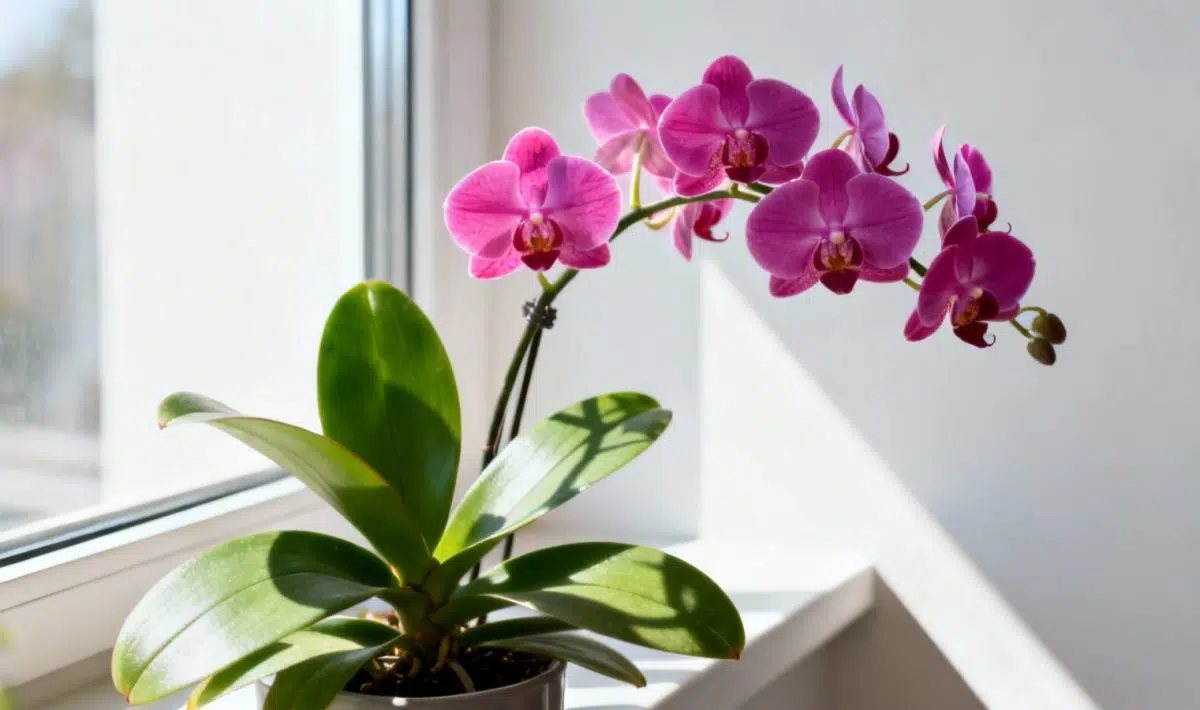
How much sunlight does moth orchid need for optimal growth
When you bring home a beautiful moth orchid, one of the first questions that comes to mind is understanding its lighting needs. These elegant plants, scientifically known as Phalaenopsis, are remarkably forgiving houseplants when you get their light requirements right. Today, I’m sharing everything you need to know about providing the perfect lighting conditions for your moth orchid to thrive year after year.
Moth orchids need bright, indirect light for approximately 12 to 16 hours per day. They prefer light levels between 1,000 to 1,600 foot-candles, which translates to about 10,000 to 16,000 lux. Unlike many other plants that can tolerate direct sunlight, these orchids are particularly sensitive to intense, direct rays which can quickly damage their delicate leaves.
The key is finding that sweet spot where your orchid receives plenty of bright light without the harsh intensity that comes with direct sun exposure. Think of how these plants grow naturally in their native habitat – they’re epiphytes that attach themselves to trees, receiving filtered sunlight through the forest canopy above.
During the winter months, when natural daylight hours are shorter, you might notice your orchid entering a more dormant phase. This is completely normal, and you can supplement with artificial lighting if needed to maintain consistent growth throughout the year.
Identifying the perfect lighting conditions
A simple test to determine if your moth orchid is receiving adequate light is the shadow test. Hold your hand approximately 12 inches above the orchid’s leaves during the brightest part of the day. If you can barely see a shadow or no shadow at all, your orchid is likely receiving the right amount of filtered light.
East-facing windows are often ideal for these plants, as they provide gentle morning light without the intense afternoon sun. South or west-facing windows can work too, but you’ll need to provide some form of shading, such as sheer curtains or placing the orchid a few feet back from the window.
Much like understanding sunlight requirements for cucumbers in your vegetable garden, each plant species has its own specific needs that shouldn’t be overlooked.
Signs your orchid is getting too much or too little light
When moth orchids receive insufficient light, their leaves typically turn a deep, dark green color. While this might seem healthy, it’s actually the plant’s way of trying to capture more light for photosynthesis. The leaves may also become limp and the plant will likely stop producing flowers.
On the flip side, too much light creates equally problematic symptoms. You’ll notice yellowing leaves, brown spots, or even bleached-looking foliage. These are signs of light burn, and the damage can be permanent if not addressed quickly.
The ideal leaf color for a healthy moth orchid is a medium to light green. When you see this coloration, combined with steady growth and regular flowering cycles, you know you’ve found the perfect lighting balance.
Seasonal adjustments for optimal growth
During spring and summer months, when natural light is more abundant, you might need to move your orchid slightly further from windows or add additional filtering. Conversely, during autumn and winter, moving the plant closer to light sources can help maintain adequate illumination.
Many successful orchid growers rotate their plants occasionally to ensure even light exposure on all sides. This prevents the orchid from leaning toward the light source and promotes balanced growth throughout the entire plant.
Just as sunlight needs of sycamore trees change with the seasons, your indoor orchids also benefit from these thoughtful adjustments throughout the year.
Artificial lighting solutions for moth orchids
If you’re growing orchids in spaces with limited natural light, LED grow lights or fluorescent tubes can be excellent alternatives. Position artificial lights approximately 15 to 30 centimeters above the orchid leaves and maintain a 12 to 16 hour daily photoperiod.
When selecting grow lights, look for full-spectrum options that provide both blue and red wavelengths. Blue light promotes leaf growth and overall plant health, while red light encourages flowering – both essential for thriving moth orchids.
Remember to monitor your orchid’s response to artificial lighting just as carefully as you would with natural light. The same visual cues apply – watch for proper leaf coloration and healthy growth patterns.
Common lighting mistakes to avoid
One of the most frequent errors new orchid owners make is placing their plants in direct sunlight, thinking more light equals better growth. This approach works for some plants, such as understanding sunlight conditions for potatoes in your garden, but orchids require a more nuanced approach.
Another common mistake is moving orchids too frequently in search of the perfect spot. These plants prefer stability, so once you find a location where they’re thriving, resist the urge to relocate them unless absolutely necessary.
Additionally, don’t assume that all orchid species have identical light requirements. While moth orchids prefer bright, indirect light, other orchid varieties might have different needs entirely.
Creating the ideal orchid environment
Beyond just lighting, consider how light interacts with other environmental factors in your orchid’s space. Proper air circulation helps prevent the heat buildup that can occur near bright windows, while maintaining appropriate humidity levels ensures your orchid can effectively utilize the light it receives.
Temperature stability is also crucial – avoid placing orchids near heating vents or air conditioning units where temperature fluctuations might stress the plant, regardless of how perfect the lighting conditions might be.
Some growers find success grouping their orchids with other plants that have similar light requirements, like sunlight requirements for Johnny jump ups, creating a mini ecosystem that benefits all the plants involved.
Monitoring long-term orchid health
Successful moth orchid care involves observing your plant’s behavior over time. A well-lit orchid will typically produce new leaves regularly, maintain good root health, and enter flowering cycles predictably.
Keep a simple log of your orchid’s flowering patterns, leaf growth, and any changes you notice in coloration. This information becomes invaluable for fine-tuning your lighting setup and recognizing when adjustments might be needed.
Understanding proper lighting is fundamental, whether you’re caring for delicate orchids or hardy outdoor plants like sunlight needs for hardy fuchsias. Each plant’s success depends on meeting its specific requirements consistently.
With the right lighting conditions, your moth orchid will reward you with stunning blooms, healthy foliage, and years of enjoyment. Remember that patience is key – these plants grow slowly but steadily when their needs are met, creating a beautiful and lasting addition to your indoor garden.
Allan is a lifelong gardening enthusiast who still gets excited when the first seedlings pop up in spring. With a deep love for nature and a hands-in-the-soil approach, he shares practical tips, plant discoveries, and clever tricks picked up over years of digging, planting, and observing. Whether you’re a new gardener or have a shed full of tools, Allan writes like a neighbor who’s always happy to swap cuttings and stories over the fence.
You can find more about Allan’s work on Malt or connect with him on LinkedIn.