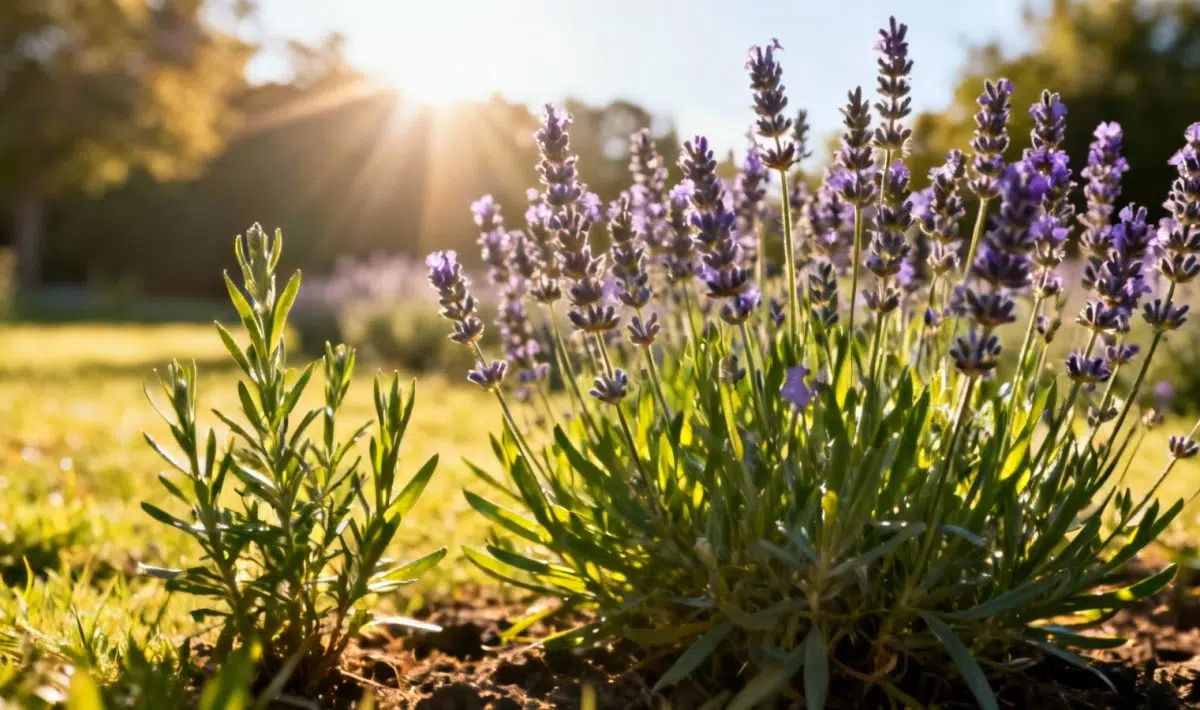
How much sunlight does English lavender need for perfect growth
Growing English lavender successfully starts with understanding one crucial requirement: sunlight. This beloved herb demands full sun exposure to thrive, and getting this right makes all the difference between struggling plants and vibrant, fragrant blooms that attract butterflies and pollinators to your garden.
English lavender (Lavandula angustifolia) requires a minimum of 6 hours of direct sunlight daily, though 8 hours delivers the best results. This isn’t just a preference – it’s essential for healthy growth. Plants receiving less than 6 hours of sun become weak, produce fewer flowers, and are more susceptible to diseases.
The difference between adequate and optimal sunlight is remarkable. While 6 hours keeps your lavender alive, those extra 2 hours of sun create plants that are more vigorous, produce abundant blooms, and develop that intense fragrance lavender is famous for. Much like how sunlight requirements for English oak trees vary based on their growth goals, lavender’s performance directly correlates with sun exposure.
What happens with insufficient sunlight
When English lavender doesn’t receive enough sun, several problems arise quickly. The plants become leggy and weak, stretching desperately toward available light. Flower production drops significantly, and the blooms that do appear are often pale and lack the vibrant color gardeners expect.
Additionally, insufficient sunlight creates conditions that fungal diseases love. Poor air circulation around weak plants, combined with moisture retention in shadier spots, can lead to root rot and other serious issues that can kill your lavender.
Signs your lavender needs more sun
Sparse, weak growth with long gaps between leaves
Few or no flower spikes developing
Pale, washed-out foliage color
Plants falling over or requiring support
Increased susceptibility to pests and diseases
Creating optimal growing conditions
Beyond sunlight, English lavender thrives in well-draining soil that doesn’t retain excess moisture. The combination of full sun and proper drainage creates the Mediterranean-like conditions this plant craves. Heavy, waterlogged soil can be just as damaging as inadequate light.
When planting lavender seeds or transplants, choose the sunniest spot in your garden. South-facing locations with good air circulation are ideal. Just as optimal sunlight for cucumber plants requires careful positioning, lavender placement determines long-term success.
Soil preparation tips
Prepare your planting area by incorporating coarse sand or gravel to improve drainage. English lavender prefers slightly alkaline soil with a pH between 6.5 and 7.5. Test your soil and amend as needed before planting your seeds or transplants.
Growing lavender from seeds
Starting English lavender from seeds requires patience but offers great satisfaction. Quality lavender seeds need specific conditions to germinate successfully. Begin by cold stratifying your seeds for 3-4 weeks in the refrigerator to improve germination rates.
Plant seeds indoors 10-12 weeks before your last expected frost. Use a well-draining seed starting mix and keep the soil consistently moist but not waterlogged. Seeds typically germinate in 2-4 weeks under ideal conditions with temperatures around 65-70°F.
Transplanting seedlings outdoors
Once your seedlings are established and outdoor temperatures are consistently warm, gradually acclimate them to full sun over 7-10 days. This prevents shock and ensures they can handle the intense sunlight they’ll need for optimal growth.
Regional considerations and growing zones
English lavender grows best in USDA zones 5-9, where it can receive adequate winter chill while avoiding extreme cold. In these zones, full sun exposure becomes even more critical for plant survival and vigor. Similar to how sycamore tree sunlight needs vary by climate, lavender’s sun requirements may intensify in challenging growing conditions.
In hotter zones (9-10), some afternoon shade can help prevent stress, but morning sun remains essential. Plants still need at least 6 hours of direct sunlight, preferably in the cooler morning and early afternoon hours.
Container growing tips
Growing lavender in containers allows you to optimize sun exposure by moving plants as needed. Use pots with drainage holes and a well-draining potting mix. Container plants may need slightly more water than ground-planted lavender, but the soil should still dry between waterings.
Maximizing flower production
To encourage abundant blooms, ensure your English lavender receives optimal sunlight while avoiding common mistakes. Never plant lavender in areas that receive morning shade, as this reduces the total daily sun hours significantly.
Regular pruning after flowering helps maintain plant shape and encourages more blooms the following season. Cut back spent flower spikes and shape the plant, but avoid cutting into old woody stems which don’t regenerate well.
Just as potato plant sunlight requirements affect yield quality, lavender’s flower production and essential oil concentration improve dramatically with adequate sun exposure.
Common mistakes to avoid
Many gardeners underestimate English lavender’s sun requirements, thinking partial shade will suffice. This leads to disappointing results and often plant death. Another common error is overwatering, especially when plants are already stressed from insufficient light.
Avoid planting lavender near trees or structures that cast shadows during peak sun hours. Even a few hours of shade can significantly impact plant performance and longevity.
Best practices for success
Choose the sunniest location available in your garden
Ensure 6-8 hours of direct sunlight daily
Plant in well-draining soil or containers
Water deeply but infrequently once established
Avoid fertilizing excessively, which can reduce essential oil production
English lavender rewards gardeners who meet its simple but specific needs. With adequate sunlight, proper drainage, and minimal care, these hardy plants produce fragrant flowers that attract beneficial pollinators while providing years of beauty and aromatherapy benefits. Remember that successful lavender growing starts with understanding that this sun-loving herb simply cannot tolerate shade – give it the bright, sunny conditions it craves, and you’ll be rewarded with thriving plants that enhance any garden space.
Allan is a lifelong gardening enthusiast who still gets excited when the first seedlings pop up in spring. With a deep love for nature and a hands-in-the-soil approach, he shares practical tips, plant discoveries, and clever tricks picked up over years of digging, planting, and observing. Whether you’re a new gardener or have a shed full of tools, Allan writes like a neighbor who’s always happy to swap cuttings and stories over the fence.
You can find more about Allan’s work on Malt or connect with him on LinkedIn.