
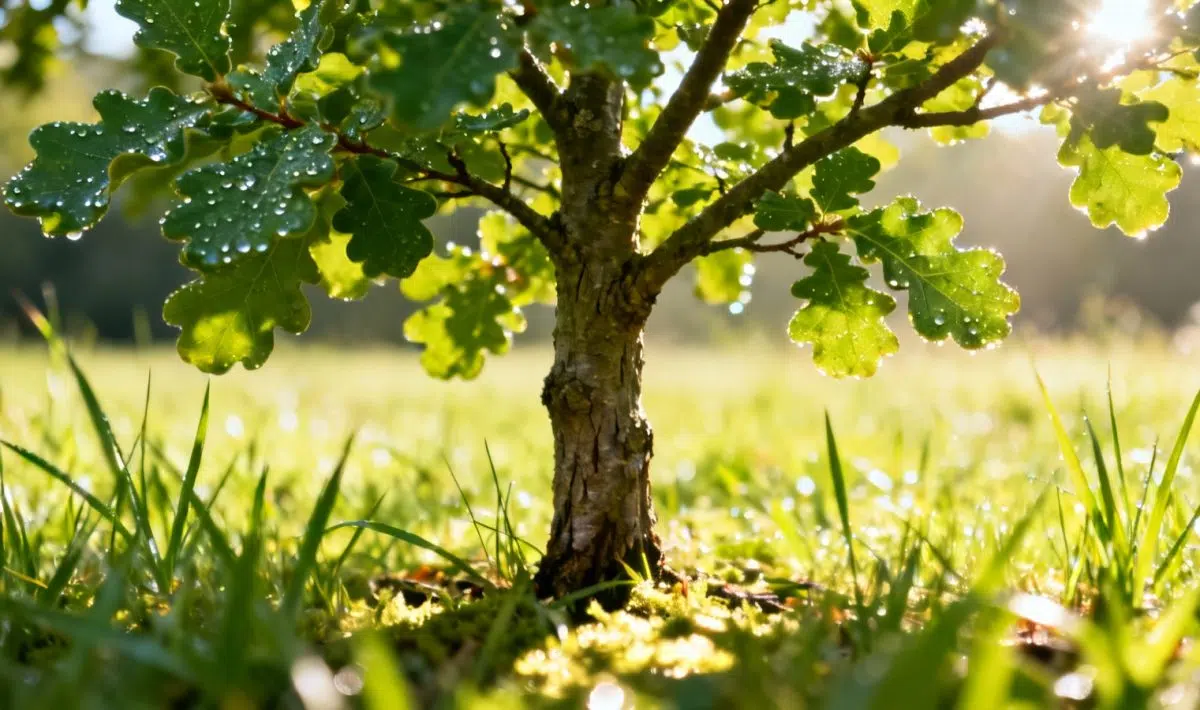
When you’re planning to plant an English oak in your garden, understanding how much sunlight this magnificent tree needs is absolutely crucial for its success. The English oak, scientifically known as Quercus robur, has specific light requirements that will determine whether it thrives or struggles in your landscape.
Understanding the sunlight needs of english oak trees
English oak trees are sun-loving giants that perform best with abundant natural light. These majestic trees require a minimum of 6 hours of direct sunlight daily to reach their full potential. In optimal conditions, they can grow to impressive heights of 75-100 feet with equally wide canopies.
The relationship between light and growth for English oaks is quite straightforward. Full sun exposure promotes vigorous development, stronger wood formation, and better disease resistance. Trees that receive adequate light will develop the characteristic broad, rounded crown that makes them such prized landscape specimens.
Partial shade, defined as 4-6 hours of daily sunlight, can be tolerated but will result in slower growth and potentially weaker branch structure. Young trees are more adaptable to partial shade conditions, but as they mature, they increasingly benefit from full sun exposure.
Optimal growing conditions for young english oak trees
When establishing young English oak trees, the first year is particularly critical for light exposure. Seedlings and saplings need consistent, gentle sunlight to develop strong root systems without becoming stressed. Morning sun with some afternoon protection can be beneficial during the establishment period.
The key is providing enough light for photosynthesis while protecting young bark from intense heat. A location that receives 6-8 hours of sunlight, with some natural wind protection, creates ideal conditions for young trees to establish themselves successfully.
Just as understanding ideal sunlight for potato plants helps with vegetable gardening, knowing oak requirements ensures long-term tree health. Proper spacing from buildings and other large trees prevents future shading issues that could limit growth potential.
Signs your english oak needs more sunlight
Recognizing when your English oak isn’t receiving sufficient light is essential for maintaining tree health. Sparse foliage, particularly in the lower branches, often indicates inadequate light penetration. You might also notice elongated, weak growth as the tree stretches toward available light sources.
Leaf color provides another important clue about light sufficiency. Healthy oaks in full sun display rich, deep green foliage throughout the growing season. Trees in insufficient light often show pale or yellowish leaves, especially in the interior canopy where light penetration is naturally reduced.
Poor flowering and reduced acorn production are additional indicators of inadequate sunlight. Oak trees that receive optimal light exposure will produce abundant flowers in spring and healthy acorn crops in autumn, supporting local wildlife populations.
Maximizing sunlight exposure in your garden
Strategic placement of your English oak can significantly impact its long-term success. Consider the mature size of the tree when selecting a location, ensuring it won’t be overshadowed by buildings or other large trees as it grows. South-facing slopes or open areas typically provide the best exposure.
Pruning nearby vegetation can help improve light conditions for established trees. However, avoid aggressive pruning of the oak itself, as this can stress the tree and make it vulnerable to diseases. Light pruning to remove dead or crossing branches is generally sufficient.
Understanding different plants’ light needs helps create balanced gardens. For instance, knowing coriander’s sunlight requirements for herb gardens or sunlight needs for scarlet beebalm for native plantings allows you to design complementary landscapes around your oak trees.
Companion planting and ecosystem considerations
Creating a diverse garden ecosystem around your English oak involves selecting plants that thrive in similar light conditions. Native understory plants that naturally occur in oak woodlands make excellent companions and will appreciate the dappled light beneath the mature tree canopy.
Consider the seasonal changes in light availability as your oak matures. Deciduous trees like English oak provide full shade in summer but allow more light through in winter when they’re leafless. This creates opportunities for spring-blooming bulbs and cool-season plants that can take advantage of increased winter light.
When planning mixed plantings, research specific requirements for each species. Some plants like optimal sunlight for Arabian jasmine or sunlight requirements for tree aeonium might need different positioning to thrive alongside your oak.
Seasonal light considerations and tree care
English oak trees experience varying light needs throughout the year. Spring brings the highest energy demands as new leaves emerge and rapid growth begins. Ensuring your tree receives maximum available light during this period supports healthy leaf development and strong annual growth.
Summer requires consistent light for maintaining the large leaf canopy that characterizes mature English oaks. During this season, the tree is actively producing energy through photosynthesis and storing resources for winter dormancy and next year’s growth cycle.
Winter dormancy reduces light requirements significantly, but the tree’s position should still allow for maximum sun exposure when growth resumes in spring. Even understanding the needs of completely different plants like crown of thorns sunlight needs reminds us that consistent light exposure patterns benefit most garden plants year-round.
Common mistakes to avoid with english oak placement
One frequent error is underestimating the mature size of English oak trees when selecting planting locations. These trees can live for centuries and will eventually dominate their space, so planning for their ultimate size prevents future problems with insufficient light or overcrowding.
Planting too close to buildings or property lines often creates long-term issues as the tree matures. The impressive canopy spread means the tree will eventually require significant space to receive adequate light on all sides for balanced growth.
Another mistake involves failing to consider existing vegetation that might eventually shade the oak. Fast-growing trees planted nearby can quickly outcompete young oaks for light, stunting their development during crucial early years when establishment is most important.
Long-term benefits of proper sunlight exposure
English oak trees that receive optimal sunlight throughout their lives develop into the magnificent specimens that make them so highly valued in landscapes. Proper light exposure results in strong, well-balanced branch structure that can withstand storms and support the tree’s impressive longevity.
Well-lit oak trees also provide superior ecological benefits, supporting larger populations of insects, birds, and other wildlife that depend on healthy oak ecosystems. The robust growth enabled by adequate sunlight creates more habitat and food resources for countless species.
From a practical standpoint, healthy, sun-grown English oaks require less maintenance and are more resistant to pests and diseases. The investment in proper siting and light management pays dividends in reduced tree care costs and increased property value over the decades.

Allan is a lifelong gardening enthusiast who still gets excited when the first seedlings pop up in spring. With a deep love for nature and a hands-in-the-soil approach, he shares practical tips, plant discoveries, and clever tricks picked up over years of digging, planting, and observing. Whether you’re a new gardener or have a shed full of tools, Allan writes like a neighbor who’s always happy to swap cuttings and stories over the fence.
You can find more about Allan’s work on Malt or connect with him on LinkedIn.


