
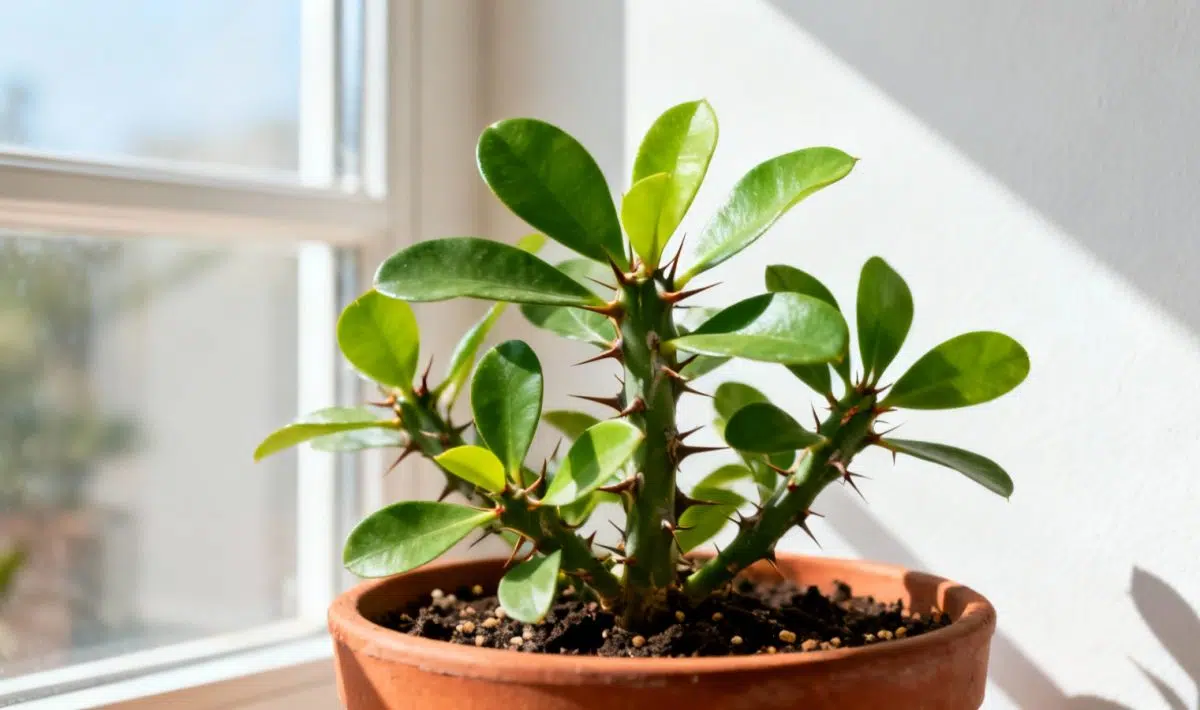
Understanding the crown of thorns and its light requirements
The crown of thorns, scientifically known as Euphorbia milii, is one of the most rewarding plants you can add to your collection. This beautiful flowering plant has captured the hearts of gardeners worldwide, and for good reason. When it comes to how much sunlight does crown of thorns need, the answer is quite straightforward: this plant thrives in bright, direct sunlight for at least 6-8 hours daily.
Native to Madagascar, the Euphorbia milii has evolved to love abundant sunshine. The plant’s thick, succulent-like stems and vibrant flower bracts are clear indicators of its sun-loving nature. Much like sunlight requirements for growing potatoes, crown of thorns needs consistent light exposure to maintain healthy growth patterns.
What makes this plant truly special is its ability to bloom almost year-round when given proper light conditions. The colorful bracts, which many people mistake for flowers, come in shades of red, pink, yellow, and white. These stunning displays are directly linked to the amount of quality light the plant receives.
Characteristics that make Euphorbia milii unique
The crown of thorns is remarkably resilient, making it perfect for both beginner and experienced gardeners. Its thick stems store water efficiently, allowing it to tolerate periods of drought. The thorns along the stems aren’t just for show – they’re part of the plant’s natural defense mechanism developed in its native habitat.
One fascinating aspect is how the plant responds to light changes throughout the year. During winter months, when light is naturally reduced, the Euphorbia milii may drop some leaves. This is completely normal and shouldn’t cause concern. The plant is simply conserving energy for the brighter months ahead.
Direct vs indirect light: what works best
When evaluating the best light conditions for your crown of thorns, direct sunlight wins every time. Unlike some houseplants that prefer filtered light, the Euphorbia milii genuinely needs those intense rays to thrive. Morning sun is particularly beneficial, as it’s less harsh than afternoon light while still providing the energy the plant craves.
However, if you’re growing your plant indoors, placing it near a south-facing window will give you the best results. The key is ensuring the plant receives bright, unobstructed light for most of the day. Just as ideal sunlight for coriander plants requires specific positioning, your crown of thorns benefits from strategic placement.
For outdoor cultivation, choose a spot that gets full sun exposure. The plant can handle intense heat and bright conditions that might stress other flowering plants. In fact, the more sun it gets, the more prolific the flowering will be.
Signs your plant needs more or less light
Your Euphorbia milii will tell you exactly what it needs if you know what to look for. When the plant receives insufficient light, you’ll notice several clear indicators. The stems may become elongated and weak, reaching desperately toward any available light source. Flowering will decrease significantly, and the overall growth rate slows down.
Conversely, while crown of thorns love sun, extreme conditions can sometimes cause stress. If leaves begin turning yellow or developing brown spots, you might need to provide some afternoon shade during the hottest months. This is particularly important in desert climates where temperatures soar above 100°F.
The good news is that this plant is quite forgiving. Unlike more sensitive species such as optimal sunlight conditions for green foxtail, crown of thorns can bounce back from light stress relatively quickly with proper adjustments.
Where to buy quality crown of thorns plants
Finding a healthy Euphorbia milii plant sets the foundation for successful growing. Online marketplaces like eBay offer numerous options, but buyer evaluation is crucial. Always check seller ratings and read customer reviews carefully before making a purchase. Look for sellers with positive feedback specifically about plant condition upon arrival.
When browsing listings, verify that the object description matches what’s shown in photos. Quality sellers will provide detailed information about plant size, cutting age, and shipping methods. The best transactions often involve sellers who guarantee their plants and offer replacement policies.
Local nurseries remain excellent sources for crown of thorns plants. You can inspect the plant condition in person and often receive valuable growing advice from staff. Many gardeners find this personal interaction helpful, especially when starting their first Euphorbia collection.
What to look for in a quality plant
Whether buying online or in person, certain characteristics indicate a healthy crown of thorns. The stems should be firm and well-colored, without soft spots or discoloration. Fresh growth tips are always a positive sign that the plant is actively growing.
For mail-order plants, good packaging is essential. Reputable sellers understand how to pack plants for shipping, ensuring they arrive in excellent condition. Fast shipping methods help minimize stress on the plant during transport.
Many buyers appreciate when sellers include care instructions or growing tips with their purchase. This extra effort often indicates a seller who truly cares about plant success rather than just making a quick transaction.
Growing and care practices for optimal results
Success with crown of thorns extends beyond just providing adequate sunlight. While light is crucial, combining it with proper watering, soil, and feeding creates the ideal growing environment. The plant prefers well-draining soil that doesn’t retain excess moisture around the roots.
Watering should be done deeply but infrequently. Allow the soil to dry between waterings, as this mimics the plant’s natural habitat conditions. During active growing seasons, usually spring through fall, you can feed the plant monthly with a balanced fertilizer diluted to half strength.
Temperature considerations also play a role in plant health. While Euphorbia milii tolerates heat well, it’s sensitive to cold. Keep plants above 50°F to prevent damage. This is similar to how sunlight needs of evening primrose must be balanced with temperature requirements for optimal growth.
Seasonal care adjustments
Throughout the year, your crown of thorns will have varying needs. Summer months typically bring peak growing conditions when the plant can handle maximum sun exposure. This is when you’ll see the most abundant flowering and vigorous growth.
Winter care requires more attention to light positioning. If growing indoors, you might need to move the plant closer to windows or consider supplemental grow lights. The plant naturally slows its growth during shorter daylight periods, which is completely normal behavior.
Spring represents the perfect time for repotting or dividing established plants. The increasing daylight hours trigger new growth, making it easier for plants to recover from any root disturbance. This timing also works well for taking cuttings to propagate new plants.
Varieties and decorative uses
The world of Euphorbia milii offers numerous varieties to explore. Dwarf cultivars work beautifully in container gardens, while larger varieties can serve as stunning landscape specimens in warm climates. Each variety maintains the same basic light requirements while offering unique flower colors and growth habits.
For decorative purposes, crown of thorns excels in xerophytic gardens alongside other sun-loving plants. The year-round interest provided by both foliage and flowers makes it an valuable addition to any garden design. Consider pairing it with other drought-tolerant species that appreciate similar conditions, much like sunlight preferences for common hazel when planning companion plantings.
Indoor growers often appreciate how crown of thorns brings vibrant color to sunny windowsills. The plant’s compact growth habit makes it perfect for containers, and its low maintenance requirements suit busy lifestyles. With proper light and minimal care, you’ll enjoy beautiful blooms throughout most of the year.
Making the most of your crown of thorns investment
Purchasing a crown of thorns plant represents an investment in years of enjoyment. With proper care and adequate sunlight, these plants can live for decades while providing continuous flowering. The key is starting with a quality plant and understanding its fundamental needs from day one.
Remember that patience pays off with Euphorbia milii. Young plants may take time to establish their flowering patterns, but mature specimens reward you with incredible displays. The combination of striking flowers, interesting architecture, and low maintenance requirements makes crown of thorns an excellent choice for gardens and homes alike.

Allan is a lifelong gardening enthusiast who still gets excited when the first seedlings pop up in spring. With a deep love for nature and a hands-in-the-soil approach, he shares practical tips, plant discoveries, and clever tricks picked up over years of digging, planting, and observing. Whether you’re a new gardener or have a shed full of tools, Allan writes like a neighbor who’s always happy to swap cuttings and stories over the fence.
You can find more about Allan’s work on Malt or connect with him on LinkedIn.


