
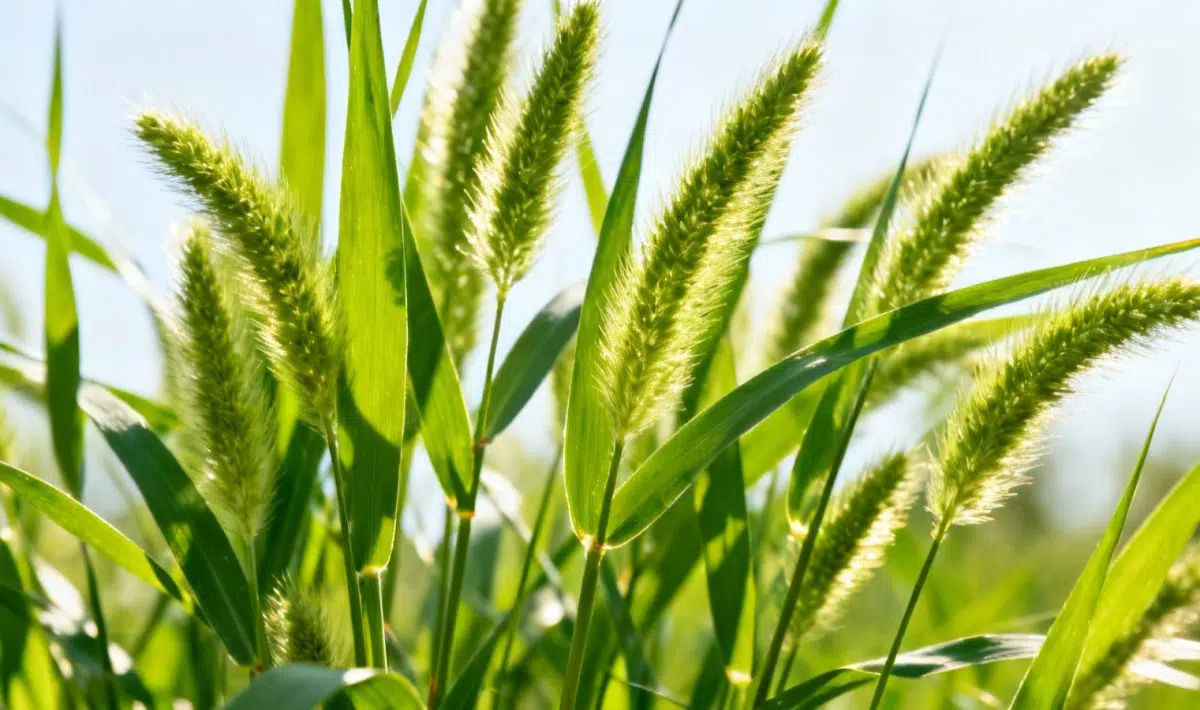
Understanding green foxtail’s sunlight requirements
Green foxtail (Setaria viridis) is a remarkable plant that thrives in full sunlight conditions. This hardy species requires at least 6 to 8 hours of direct sunlight daily for optimal growth and development. Understanding these light requirements is essential for anyone looking to cultivate this resilient plant in their garden.
As a C4 plant, green foxtail has evolved exceptional photosynthetic efficiency under bright conditions. The morning sunlight exposure proves particularly beneficial, helping the plant establish strong growth patterns from the early hours. When you provide adequate light, you’ll notice vigorous growth and healthy foliage development throughout the growing season.
What makes green foxtail unique in the garden
Green foxtail stands out among garden plants for its exceptional adaptability and fast growth rate. This annual grass-type plant produces distinctive seed heads that resemble a fox’s tail, hence its common name. The seeds are particularly valuable for wildlife, attracting various birds throughout the season.
The plant’s ability to grow quickly makes it an excellent choice for gardeners seeking rapid ground coverage. With proper care and adequate sunlight, green foxtail can establish itself within days of sowing. This fast growth characteristic, combined with its low maintenance requirements, makes it increasingly popular among both novice and experienced gardeners.
Unlike some more demanding garden plants, green foxtail tolerates various soil types well. However, it performs best in well-draining soil with good organic content. Similar to how different plants have varying needs, understanding specific requirements helps – just as optimal sunlight for coriander growth differs from foxtail’s needs.
Optimal growing conditions beyond sunlight
While sunlight remains the primary factor for successful green foxtail cultivation, several other conditions contribute to healthy plant development. The soil type plays a crucial role in supporting robust growth. Green foxtail adapts to various soil conditions but thrives in loamy, well-draining soil with a pH between 6.0 and 7.5.
Watering requirements are moderate, as this plant demonstrates good drought tolerance once established. During the initial growth phase, consistent moisture helps seeds germinate and young plants establish their root systems. However, avoid overwatering, as excessive moisture can lead to root problems and reduced plant vigor.
Temperature preferences align with warm-season growing conditions. Green foxtail flourishes in temperatures ranging from 65°F to 85°F (18°C to 29°C). This temperature range, combined with full sun exposure, creates ideal conditions for photosynthesis and overall plant health. The plant’s C4 photosynthetic pathway makes it particularly efficient at converting sunlight into energy under these warm conditions.
Planting and sowing techniques for success
When planning your green foxtail planting, timing becomes crucial for success. The best time for sowing seeds occurs after the last frost date in your area, typically in late spring or early summer. This timing ensures that young plants won’t face cold damage and can take full advantage of increasing daylight hours.
Preparing the soil properly before planting contributes significantly to successful germination. Work the soil to a depth of about 6 inches, removing any debris or weeds that might compete with your green foxtail seeds. Adding organic matter like compost improves soil structure and provides nutrients for healthy growth.
For seed sowing, scatter the seeds evenly across the prepared area, then lightly rake them into the soil. The seeds need good soil contact for proper germination but shouldn’t be buried too deeply. A light covering of about 1/4 inch works well for most soil types.
Understanding different plant requirements helps create better garden planning. For instance, comparing green foxtail’s needs with other plants like those requiring sunlight requirements for evening primrose can help you design diverse garden spaces with varying light conditions.
Managing light exposure throughout growing seasons
Seasonal changes affect how much sunlight your green foxtail receives, making it important to consider these variations when planning your garden layout. During peak summer months, ensure your plants receive consistent morning sunlight, as this period provides the most beneficial light quality for photosynthesis.
If you’re growing green foxtail in containers, you have the flexibility to move them to optimize sun exposure. Position containers in areas that receive full morning sun and continue receiving light throughout most of the day. This mobility advantage allows you to adjust for seasonal sun patterns and maximize growth potential.
In regions with intense afternoon heat, some protection during the hottest part of the day can prevent stress. However, avoid heavy shading, as green foxtail requires substantial light for proper development. Light afternoon shade differs significantly from morning shade, which can severely impact plant growth and seed production.
Insufficient sunlight creates several recognizable problems in green foxtail plants. Plants receiving inadequate light often exhibit elongated, weak stems as they stretch toward available light sources. This condition, known as etiolation, results in poor plant structure and reduced seed production.
When green foxtail doesn’t receive enough light, you’ll notice pale green or yellowish foliage instead of the rich green color characteristic of healthy plants. The tillering process, which produces lateral shoots and increases plant density, becomes significantly reduced under low-light conditions.
Conversely, while green foxtail tolerates full sun well, extreme heat combined with drought stress can cause temporary wilting. This situation differs from light-related problems and requires attention to watering rather than light management. Understanding these distinctions helps you provide appropriate care for your plants.
Different species have varying tolerances to light conditions. Learning about diverse plant needs, such as sunlight needs of common hazel, expands your gardening knowledge and helps create more successful mixed plantings.
Maximizing growth with proper care practices
Beyond sunlight requirements, several care practices enhance green foxtail’s performance in your garden. Regular monitoring during the first few weeks after planting helps identify any issues early. Young plants are most vulnerable during establishment, making consistent care particularly important during this period.
Fertilization needs remain minimal for green foxtail, as this adaptable plant grows well in average soil conditions. However, a balanced, slow-release fertilizer applied at planting time can support initial growth. Avoid over-fertilizing, which can lead to excessive foliage growth at the expense of seed development.
Pest management typically involves minimal intervention, as green foxtail demonstrates natural resistance to many common garden pests. The plant’s rapid growth rate often allows it to outcompete weeds naturally, reducing maintenance requirements compared to more demanding garden plants.
Creating diverse garden environments with plants having different light requirements adds visual interest and ecological value. Combining sun-loving plants like green foxtail with others, such as those needing sunlight ideal for viper’s bugloss, creates dynamic garden spaces that support various wildlife.
Long-term benefits and garden integration
Growing green foxtail in your garden provides numerous long-term benefits beyond its attractive appearance. The seeds produced by mature plants serve as valuable food sources for birds, particularly finches and sparrows. This wildlife attraction adds ecological value to your garden while supporting local bird populations.
The plant’s ability to thrive with minimal inputs makes it an environmentally friendly choice for sustainable gardening practices. Once established in suitable light conditions, green foxtail requires little additional water or fertilizer, reducing your garden’s environmental impact while maintaining attractive results.
For gardeners interested in seed saving, green foxtail offers excellent opportunities to collect and store seeds for future plantings. The abundant seed production from plants grown in optimal sunlight conditions ensures you’ll have plenty of material for expanding your plantings or sharing with fellow gardeners.
Integration with other garden plants works well when you consider each species’ light requirements. Green foxtail’s full-sun preference makes it an excellent companion for other sun-loving annuals and perennials, creating cohesive garden designs that thrive under similar growing conditions.

Allan is a lifelong gardening enthusiast who still gets excited when the first seedlings pop up in spring. With a deep love for nature and a hands-in-the-soil approach, he shares practical tips, plant discoveries, and clever tricks picked up over years of digging, planting, and observing. Whether you’re a new gardener or have a shed full of tools, Allan writes like a neighbor who’s always happy to swap cuttings and stories over the fence.
You can find more about Allan’s work on Malt or connect with him on LinkedIn.


