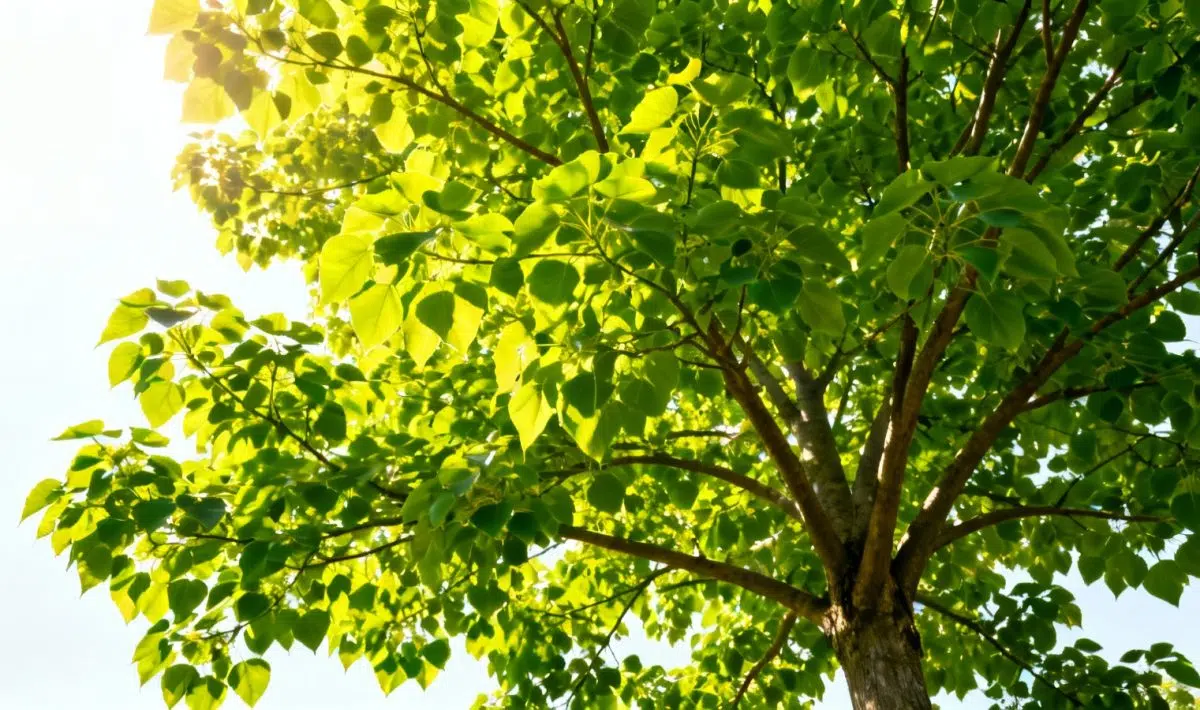
Understanding the Tree of Heaven’s sunlight requirements
The Tree of Heaven, scientifically known as Ailanthus altissima, stands out as one of nature’s most adaptable species when it comes to light requirements. This fast-growing tree thrives in full sun conditions but demonstrates remarkable flexibility in various lighting environments. Understanding how much sunlight does Tree of Heaven need becomes crucial for anyone dealing with this species, whether for cultivation or management purposes.
Native to China, this tree has earned its reputation as a pioneer species that colonizes disturbed areas with impressive speed. The secret to its success lies partly in its efficient use of available sunlight, allowing it to outcompete many native species in diverse conditions. From urban environments to forest edges, the Tree of Heaven adapts its growth patterns based on the light it receives.
Optimal light conditions for maximum growth
Tree of Heaven performs best when exposed to full sunlight for the majority of the day. In optimal conditions, young trees can achieve growth rates of 1 to 2 meters per year during their first four years. This remarkable growth rate occurs when the tree receives at least 6 to 8 hours of direct sunlight daily, combined with adequate water and nutrients in the soil.
The tree’s preference for open areas becomes evident in its natural habitat choices. You’ll frequently find established populations along roadsides, in abandoned lots, and on disturbed ground where canopy cover remains minimal. These locations provide the high light intensity that allows the Tree of Heaven to channel its energy into rapid vertical growth.
During peak growing season, from spring through early fall, the tree maximizes its photosynthetic capacity under full sun exposure. The broad, compound leaves efficiently capture sunlight, converting it into the energy needed for the tree’s impressive growth spurts. Just as sunlight requirements for strawberries vary based on growing conditions, the Tree of Heaven adjusts its light utilization throughout the year.
Seasonal variations in light needs
The Tree of Heaven’s sunlight requirements fluctuate with seasonal changes. During spring emergence, young shoots require intense light to fuel their rapid development. Summer months demand consistent exposure to maintain peak growth rates, while fall preparation involves gradual reduction in photosynthetic activity as the tree prepares for dormancy.
Winter months present a different scenario entirely. Without leaves, the tree’s light requirements become minimal, focusing energy on root system maintenance and preparation for the next growing season. This seasonal adaptation allows the Tree of Heaven to conserve resources when sunlight becomes less available.
Shade tolerance and adaptation strategies
While the Tree of Heaven prefers full sun, research has revealed surprising shade tolerance in certain conditions. Studies conducted in New York forests documented successful competition with native species in areas receiving only 2 to 15 percent of full sunlight. This adaptability sets it apart from many other fast-growing species that struggle without direct sun exposure.
The tree employs several strategies when growing in partial shade. It develops longer internodes, creating a more open branching pattern that maximizes light capture. Leaf orientation also adjusts, with foliage positioning itself to intercept available light more efficiently. These adaptations, while not producing the same growth rates as full sun conditions, still allow the tree to establish and maintain populations in forested areas.
However, deep shade significantly impacts growth rates and overall vigor. Trees grown under heavy canopy cover exhibit slower development, reduced reproduction, and increased susceptibility to stress factors. Similar to how optimal sunlight for giant onions affects bulb development, insufficient light compromises the Tree of Heaven’s ability to reach its full potential.
Competition and light acquisition
In mixed forest environments, the Tree of Heaven demonstrates aggressive light competition strategies. Its rapid early growth allows it to overtop surrounding vegetation quickly, securing access to available sunlight. Once established in the upper canopy, it can shade out competitors and maintain its dominant position.
The tree’s ability to colonize forest gaps gives it significant advantages over slower-growing native species. When disturbances create openings in the forest canopy, Tree of Heaven seedlings respond rapidly, often outpacing indigenous species in the race for available light resources.
Environmental factors affecting light utilization
Temperature plays a crucial role in how effectively Tree of Heaven utilizes available sunlight. High temperatures combined with strong light intensity create ideal conditions for photosynthesis and growth. The tree thrives in hot, sunny locations where many other species struggle with heat stress.
Water availability also influences light requirements. Well-watered trees can take full advantage of high light conditions, while drought-stressed specimens may actually benefit from some afternoon shade to reduce water loss. This relationship between water and light creates complex growing scenarios that affect the tree’s overall performance.
Soil quality impacts how efficiently the tree converts sunlight into growth. Rich, well-draining soils support maximum photosynthetic capacity, while poor soils may limit growth even under optimal light conditions. Understanding these interactions helps explain why Tree of Heaven populations vary in vigor across different locations.
Unlike more specialized plants such as sunlight needs of common yew, the Tree of Heaven maintains flexibility in its light requirements, adapting to available conditions rather than demanding specific parameters.
Urban environment considerations
City environments present unique lighting challenges that the Tree of Heaven navigates successfully. Building shadows create patterns of shifting light throughout the day, requiring the tree to maximize photosynthesis during available sunny periods. Reflected light from concrete and glass surfaces can supplement natural sunlight, providing additional energy for urban populations.
Air pollution in urban areas can reduce light intensity by creating haze and particulate matter that filters sunlight. Despite these challenges, Tree of Heaven populations often flourish in cities, demonstrating remarkable adaptability to less-than-ideal lighting conditions.
Growth patterns under different light regimes
Full sun conditions produce the classic Tree of Heaven growth pattern: rapid vertical development with strong central leaders and well-spaced branching. Trees grown under these conditions develop thick trunks, dense canopies, and robust root systems capable of supporting their impressive size.
Partial shade environments result in modified growth forms characterized by more open branching, longer shoots, and adjusted leaf positioning. While these trees may not achieve the same massive proportions as full-sun specimens, they still establish viable populations that can persist for decades.
Deep shade severely restricts growth potential, producing smaller, less vigorous trees with sparse branching and reduced reproductive capacity. However, even under these challenging conditions, established trees can survive and maintain their position in the forest understory, waiting for opportunities to access better lighting.
Much like guava sunlight requirements for growth determine fruit production success, the Tree of Heaven’s light exposure directly correlates with its ability to produce viable seeds and expand its range.
Practical implications for management
Understanding the Tree of Heaven’s sunlight requirements provides valuable insights for both cultivation and control efforts. Those seeking to establish trees should provide full sun exposure whenever possible, ensuring rapid establishment and vigorous growth. Conversely, management efforts aimed at controlling populations can utilize shade manipulation as one strategy among many.
Creating canopy cover over young Tree of Heaven populations can significantly slow their development, giving native species opportunities to compete more effectively. However, this approach requires long-term commitment, as the trees can persist under reduced light conditions and respond rapidly when light becomes available again.
The Tree of Heaven’s impressive adaptability to various light conditions, from full sun to partial shade, explains much of its success as an introduced species. While it performs best with abundant sunlight, receiving 6 to 8 hours of direct exposure daily, its ability to survive and grow under reduced light conditions contributes to its widespread establishment. Whether planning for cultivation or developing management strategies, understanding these sunlight requirements provides essential knowledge for working effectively with this remarkable yet challenging species.
Allan is a lifelong gardening enthusiast who still gets excited when the first seedlings pop up in spring. With a deep love for nature and a hands-in-the-soil approach, he shares practical tips, plant discoveries, and clever tricks picked up over years of digging, planting, and observing. Whether you’re a new gardener or have a shed full of tools, Allan writes like a neighbor who’s always happy to swap cuttings and stories over the fence.
You can find more about Allan’s work on Malt or connect with him on LinkedIn.