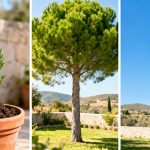
Common juniper growing conditions, propagation methods and care essentials
The common juniper (Juniperus communis) stands as one of the most resilient and versatile conifers you can grow in your garden. This hardy species has captured gardeners’ hearts with its slow growth, exceptional drought tolerance, and distinctive blue-green foliage that persists year-round.
Common juniper is a remarkably adaptable species that can grow from 3 to 10 meters in height, depending on the variety you choose. This conifer displays various growth habits, from compact dwarf forms perfect for small gardens to elegant columnar specimens that make striking landscape features. The needle-like leaves are arranged in whorls of three and feature a distinctive blue-green color with a silvery stripe on the upper surface.
The trees produce small berries that mature over two to three years, transitioning from green to blue-black when ripe. These berries are well known for their culinary uses, particularly in flavoring gin and various meat dishes. The species is dioecious, meaning you’ll need both male and female plants for berry production.
Juniperus communis demonstrates exceptional cold hardiness, tolerating temperatures down to -15°C to -17°C. This resilience, combined with its tolerance for poor soils and urban pollution, makes it an excellent choice for challenging growing conditions where other conifers might struggle.
Essential care requirements for healthy growth
Proper soil conditions are fundamental for juniper success. These plants thrive in well-draining soil and absolutely despise waterlogged conditions, which can quickly lead to root rot. Sandy or gravelly soils work exceptionally well, and the species tolerates both acidic and alkaline pH levels.
Full sun exposure brings out the best in common juniper, though it can tolerate partial shade. In shaded locations, expect slower growth and potentially less dense foliage. The plant’s drought tolerance is legendary once established, but young specimens benefit from regular watering during their first growing season.
Fertilization needs are minimal for this hardy species. In fact, too much nitrogen can encourage rapid, weak growth that’s more susceptible to winter damage. A light application of balanced fertilizer in early spring is usually sufficient for container-grown plants, while established garden specimens rarely need supplemental feeding.
Pruning and maintenance practices
Common juniper requires minimal pruning, which is part of its appeal for low-maintenance landscapes. When pruning is needed, the best time is late spring or early summer after new growth has hardened off. Focus on removing dead, damaged, or crossing branches rather than extensive shaping.
For those growing multiple coniferous species, similar maintenance approaches work well. Just as care tips for common persimmon emphasize proper timing and technique, juniper pruning benefits from careful attention to the plant’s natural growth patterns.
Cultivation techniques for optimal development
Successful juniper cultivation begins with proper site selection and preparation. Choose a location with excellent drainage and protection from strong winds, especially for young plants. If your soil is heavy clay, consider creating raised beds or adding coarse sand and organic matter to improve drainage.
Planting is best done in autumn or early spring when temperatures are moderate and rainfall is typically more reliable. Dig a hole twice as wide as the root ball but no deeper, ensuring the plant sits at the same level it was growing in the nursery.
Mulching around the base helps retain moisture and suppress weeds, but keep the mulch several inches away from the trunk to prevent moisture-related problems. Organic mulches like shredded bark or wood chips work well and gradually improve soil structure as they decompose.
Managing common problems
While generally disease-resistant, common juniper can occasionally face challenges. Spider mites may appear during hot, dry weather, causing yellowing foliage. Regular monitoring and maintaining adequate moisture levels help prevent these issues.
Fungal problems are rare but can occur in poorly ventilated or overly moist conditions. Ensuring proper spacing between plants and avoiding overhead watering reduces these risks significantly. The species’ natural resistance to most pests makes it considerably easier to manage than many other ornamental conifers.
Propagation methods and germination techniques
Common juniper propagation can be achieved through several methods, each with its own advantages and challenges. Understanding these techniques helps you expand your collection or share plants with fellow gardeners.
Seed germination process
Growing juniper from seeds requires patience and proper technique. Fresh seeds have the highest germination rates, but they need stratification to break dormancy. This process mimics natural winter conditions and typically takes 3-4 months of cold treatment.
Collect ripe berries in late autumn when they’re dark blue-black. Remove the seeds from the flesh and clean them thoroughly. Place the seeds in moist sand or vermiculite and refrigerate at 35-40°F for the stratification period.
After stratification, sow seeds in a well-draining seed starting mix. Germination is notoriously slow and irregular, often taking several months to a year. Maintain consistent moisture without waterlogging, and provide bright, indirect light.
Vegetative propagation techniques
Cuttings offer a more reliable method for reproducing specific cultivars. Take semi-hardwood cuttings in late summer, selecting healthy shoots from the current year’s growth. Cuttings should be 4-6 inches long with the lower needles removed.
Dip the cut end in rooting hormone and insert into a mixture of peat and perlite. Maintain high humidity using a plastic cover or misting system, but ensure adequate air circulation to prevent fungal problems. Rooting typically occurs over several months, requiring patience and consistent care.
Layering provides another option, particularly for prostrate forms. Bend a low-growing branch to the ground, wound the underside slightly, and cover with soil. The branch will develop roots while still attached to the parent plant, ensuring a higher success rate than cuttings.
Companion planting and garden integration
Common juniper pairs beautifully with other drought-tolerant plants in xerophytic gardens. Its evergreen structure provides year-round interest and serves as an excellent backdrop for seasonal color from perennial flowers.
Mediterranean-style plantings work particularly well, combining juniper with lavender, rosemary, and ornamental grasses. For those interested in expanding their herb garden, growing common comfrey successfully offers insights into another hardy perennial that thrives in similar low-maintenance conditions.
Wildlife benefits include shelter for birds and small mammals, while the berries provide food for various species. The dense foliage offers excellent protection during harsh weather, making juniper a valuable addition to wildlife-friendly landscapes.
When designing with common juniper, consider its mature size and growth habit. Dwarf varieties work well in rock gardens or as foundation plantings, while larger specimens can serve as specimen trees or privacy screens. The slow growth rate means your initial design will remain stable for many years.
For those creating diverse plant communities, techniques used with other hardy perennials often apply. Just as yarrow care and cultivation techniques demonstrate the value of choosing regionally appropriate species, juniper’s native status makes it an excellent choice for sustainable landscaping approaches that work with local conditions rather than against them.
The versatility of Juniperus communis extends beyond ornamental use into culinary applications. The berries are essential for flavoring traditional dishes and beverages, while the aromatic foliage has been used in folk medicine for centuries. However, always research proper usage and consult experts before using any plant material for medicinal purposes.
For gardeners interested in edible landscaping, combining juniper with other useful plants creates productive and beautiful spaces. Plants like tips for growing garlic mustard show how even common species can provide both ornamental value and practical benefits in well-designed gardens.
Allan is a lifelong gardening enthusiast who still gets excited when the first seedlings pop up in spring. With a deep love for nature and a hands-in-the-soil approach, he shares practical tips, plant discoveries, and clever tricks picked up over years of digging, planting, and observing. Whether you’re a new gardener or have a shed full of tools, Allan writes like a neighbor who’s always happy to swap cuttings and stories over the fence.
You can find more about Allan’s work on Malt or connect with him on LinkedIn.