
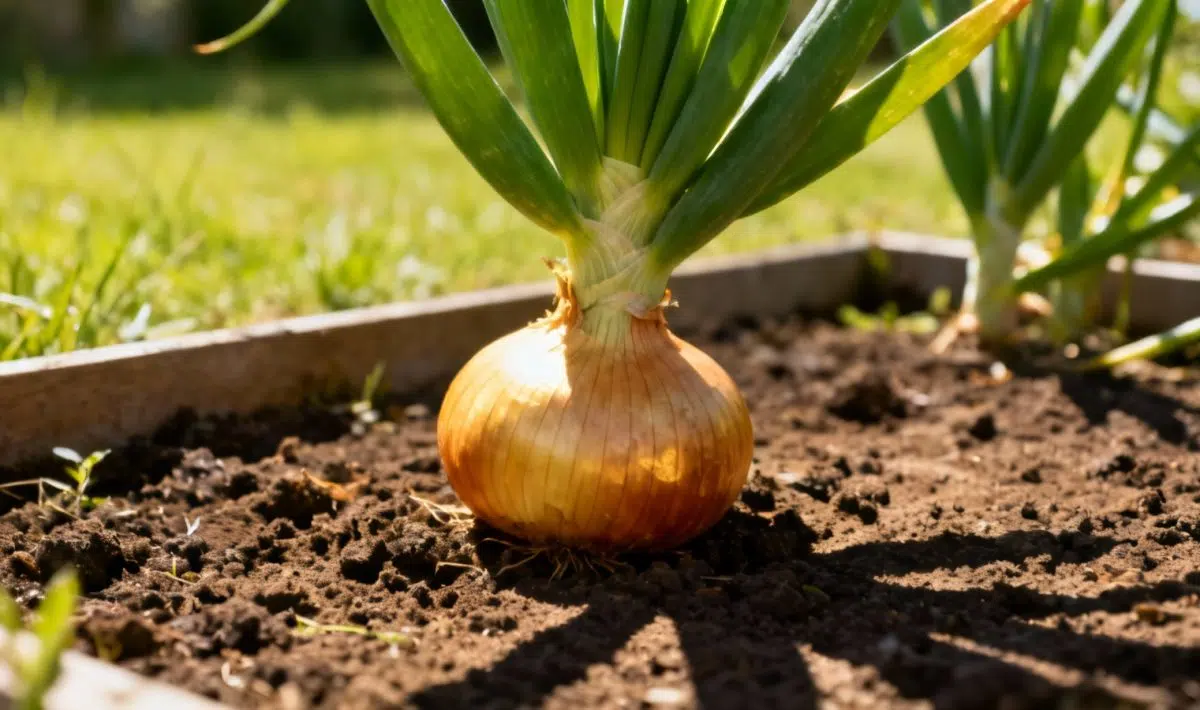
Understanding giant onion light requirements
When it comes to growing magnificent giant onions, also known as Allium giganteum, understanding their sunlight needs is absolutely essential for success. These spectacular ornamental plants require full sun exposure to reach their full potential and produce those stunning purple flower heads that gardeners love so much.
Giant onions need at least 6 hours of direct sunlight daily for optimal growth. However, they truly thrive best with 6 to 8 hours of full sun exposure. This generous amount of light ensures robust foliage development, strong root systems, and those impressive blooms that can reach up to 6 inches across.
The plant’s photosynthesis process depends heavily on adequate light exposure. Without sufficient sunlight, your Allium giganteum may develop weak stems, smaller flower heads, and overall poor plant health. Just as ideal sunlight for strawberry growth is crucial for fruit production, giant onions need their daily dose of sunshine to flourish.
Best placement for maximum sun exposure
Choosing the right location in your garden is absolutely critical for your giant onion’s success. Look for areas that receive morning sun and continue to get direct light throughout most of the day. South-facing locations are typically ideal, though east-facing spots can work well too.
Avoid planting near large trees, buildings, or structures that cast shadows during peak daylight hours. Even partial shade for extended periods can significantly impact your plant’s performance. The soil should be well-draining, as giant onions don’t tolerate waterlogged conditions any better than insufficient light.
Consider the seasonal changes in your garden’s light patterns. What might seem like a sunny spot in early spring could become shaded once nearby trees leaf out. Plan accordingly to ensure your allium maintains its light requirements throughout the growing season.
Managing light in different garden conditions
If your garden doesn’t offer perfect full-sun conditions, don’t despair. Giant onions can tolerate some partial shade, though with reduced vigor. They’ll manage with 3 to 6 hours of direct sunlight, but you’ll likely see smaller flowers and less robust growth.
For gardeners in extremely hot climates, some afternoon shade can actually be beneficial. The intense heat combined with full sun all day might stress the plants. In these situations, morning sun with some late-day protection often produces the best results.
Container growing offers flexibility for light management. You can move pots to follow the sun or relocate them if conditions change. This approach works particularly well for those with limited garden space or challenging light conditions.
Seasonal light considerations for giant onions
Understanding how light requirements change throughout the growing season helps optimize your giant onion’s development. During the early growth phase in spring, when foliage is developing, consistent daily sunlight becomes especially important for building strong plant structure.
As the plant matures and prepares for flowering, adequate light continues to be essential. This is when the spectacular flower heads form, and insufficient light at this stage can result in disappointingly small blooms. Much like sunlight requirements for common yew vary by season, alliums benefit from consistent light throughout their active growth period.
After flowering, as the plant begins to die back naturally, light requirements become less critical. However, maintaining good light exposure helps the bulb store energy for next year’s growth cycle.
Signs your giant onion needs more light
Watch for telltale signs that your allium isn’t getting enough sunlight. Pale or yellowing foliage often indicates insufficient light, especially when combined with leggy, stretched growth. The plant may also produce fewer flowers or smaller flower heads than expected.
Weak stems that bend or flop over can signal light deficiency, though this might also indicate other issues like poor soil drainage or inadequate nutrition. Healthy giant onions in proper light conditions develop sturdy, upright stems that support their impressive flower heads without staking.
If you notice these symptoms, consider relocating your plants to a sunnier spot or removing nearby obstacles that might be casting shade. Sometimes simple pruning of overhanging branches can make a significant difference in available light.
Companion planting and light sharing
When planning your garden layout, consider how companion plants might affect your giant onion’s light requirements. Low-growing plants make excellent companions because they don’t compete for overhead light space. Think about spring bulbs, small perennials, or ground covers that won’t interfere with your allium’s sun exposure.
Avoid planting giant onions near tall, spreading plants that might eventually shade them. However, you can use this to your advantage in very hot climates where some protection from intense afternoon sun might be beneficial. Similar to how sunlight needed for guava production requires careful balance, managing light with companion plants takes thoughtful planning.
Consider the timing of different plants’ growth cycles. Some companions might provide beneficial shade during the hottest part of summer when your alliums are dormant, while allowing full sun during the active spring growing season.
Optimizing light with garden design
Strategic garden design can help maximize available sunlight for your giant onions. Arrange taller plants on the north side of your garden beds to prevent them from shading shorter plants. This principle applies whether you’re growing sweetgum sunlight requirements for growth or planning your allium placement.
Consider using reflective surfaces near your planting area to increase available light. Light-colored mulch, nearby white walls, or even strategically placed mirrors can bounce additional light onto your plants during the day.
Raised beds often provide better light exposure than ground-level plantings, especially in areas with morning frost or where surrounding vegetation might create shade. The elevated position helps ensure your giant onions receive maximum sunlight throughout the day.
Troubleshooting common sunlight issues
Sometimes even well-planned gardens develop light problems over time. Trees grow larger, new construction appears nearby, or garden layouts evolve in ways that affect sunlight patterns. Regular assessment of your garden’s light conditions helps identify and address these issues promptly.
If you discover that previously sunny areas are now shaded, consider transplanting your giant onions during their dormant period. Moving bulbs while they’re not actively growing minimizes stress and gives them time to establish in their new location before the next growing season.
For permanent shade issues, you might need to accept reduced performance or choose alternative locations. Remember that indoor plants like sunlight needs of Song of India can sometimes adapt to lower light conditions, but giant onions are outdoor plants that truly need their sunshine.
Making the most of limited sunlight
If you’re working with less than ideal light conditions, focus on maximizing what you have. Ensure excellent soil drainage and nutrition to help compensate for reduced light. Well-fed plants often perform better in marginal conditions than stressed plants in perfect light.
Choose your varieties carefully if light is limited. While all Allium giganteum need good light, some cultivars may be slightly more tolerant of partial shade conditions. Research specific varieties and their light tolerance before purchasing.
Consider that plants adapted to lower light conditions, such as optimal sunlight for peace lily, have different growth patterns. Giant onions in partial shade may bloom later in the season and require more patience, but can still provide beautiful results with proper care.
Seasonal care and light management
Successful giant onion cultivation requires understanding how to manage light exposure throughout the entire year. During winter dormancy, light requirements drop significantly as the bulbs rest underground. This natural cycle allows gardeners in areas with limited winter sun to still grow these magnificent plants successfully.
Spring emergence marks the beginning of intensive light needs. As soon as green shoots appear, ensure they receive maximum available sunlight. This early growth period sets the foundation for the entire season’s performance, making light particularly crucial during these first few weeks.
Summer care often involves balancing adequate light with heat protection in very hot climates. While the plants need their sunshine, extreme heat combined with intense light can sometimes cause stress. Monitor your plants closely during heat waves and provide temporary afternoon shade if needed.

Allan is a lifelong gardening enthusiast who still gets excited when the first seedlings pop up in spring. With a deep love for nature and a hands-in-the-soil approach, he shares practical tips, plant discoveries, and clever tricks picked up over years of digging, planting, and observing. Whether you’re a new gardener or have a shed full of tools, Allan writes like a neighbor who’s always happy to swap cuttings and stories over the fence.
You can find more about Allan’s work on Malt or connect with him on LinkedIn.


