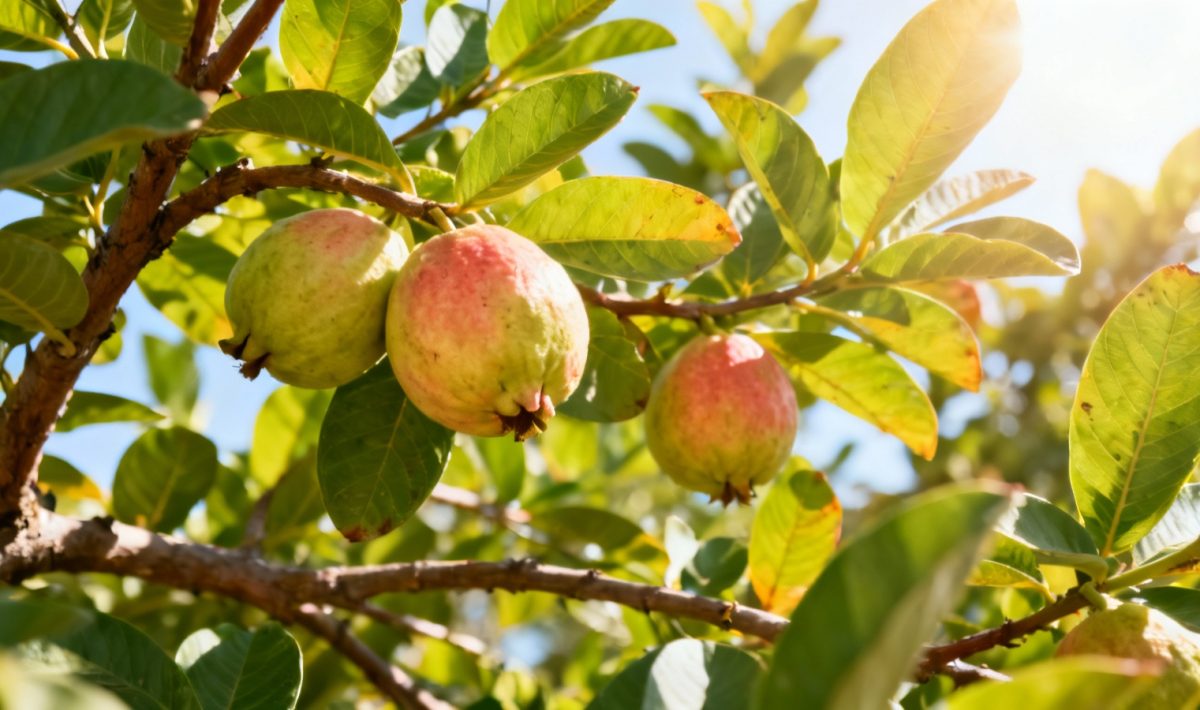
When it comes to growing healthy guava plants, understanding how much sunlight does guava need is absolutely crucial for success. These tropical fruit trees thrive in bright, sunny conditions and require substantial daily light exposure to produce the sweet, aromatic fruits we love. The Psidium guajava species has evolved in tropical climates where abundant sunshine is the norm, making proper light exposure one of the most important factors for successful cultivation.
Guava plants need a minimum of 6 to 8 hours of direct sunlight daily, though optimal production occurs with 8 to 10 hours of full sun exposure. This generous amount of light ensures proper photosynthesis, which directly impacts fruit development, sugar content, and overall plant health. Without adequate sunlight, your guava trees may struggle with poor flowering, reduced fruit set, and compromised fruit quality.
Essential sunlight needs for different guava varieties
Different guava varieties may have slightly varying sunlight preferences, though all share the fundamental need for abundant light. The suprême rose variety, known for its pink-fleshed fruits, requires full sun exposure throughout the growing season. Similarly, the chittidar variety thrives in bright conditions and produces excellent yields when given proper light exposure.
When selecting graines for plantation, consider your local climate and available sunlight hours. Tropical and subtropical regions naturally provide the ideal conditions, but even in cooler climates, guava can be successfully grown in greenhouses or as container plants moved to sunny locations. The key is ensuring consistent, direct sunlight rather than filtered or partial shade conditions.
Impact of sunlight on fruit development
Direct sunlight plays a vital role in fruit development and quality. Just as sunlight requirements for strawberry plants are crucial for berry production, guava fruits require intense light to develop their characteristic sweetness and aroma. Insufficient light results in smaller, less flavorful fruits with reduced nutritional content.
The photosynthesis process powered by sunlight directly influences the sugar production within the fruits. Well-exposed guava plants typically produce larger, more aromatic fruits with better texture and longer shelf life. This is why commercial growers always prioritize full sun locations for their plantations.
Optimal growing conditions beyond sunlight
While sunlight remains the primary factor, soil type and drainage significantly impact how effectively your guava plants can utilize available light. Well-draining soil prevents water stagnation around the roots, which can compromise the plant’s ability to absorb nutrients needed for processing sunlight efficiently.
The best soil for guava cultivation is slightly acidic to neutral, with good organic content and excellent drainage. Heavy clay soils should be amended with organic matter to improve drainage and prevent root rot. Sandy loam soils work exceptionally well, allowing roots to spread freely while maintaining adequate moisture retention.
Managing water and light balance
Proper arrosage becomes even more critical when plants receive full sunlight exposure. During hot, sunny days, guava plants may need daily watering to prevent stress. However, the soil should never remain waterlogged, as this creates conditions that prevent proper nutrient uptake regardless of available sunlight.
Morning watering is ideal as it allows plants to fully hydrate before the intense midday sun. This approach, similar to caring for optimal sunlight for sweetgum trees, ensures plants can effectively utilize the available light without experiencing water stress during peak photosynthesis periods.
Planting strategies for maximum sun exposure
When planning your guava plantation, consider the mature size of the trees and potential shade from buildings or other plants. Adult guava trees can reach 15 to 20 feet in height and width, so proper spacing ensures each tree receives adequate sunlight throughout the day.
Plant your guava trees in the sunniest part of your garden, avoiding areas that receive shade during peak daylight hours. If you’re growing multiple trees, maintain at least 12 to 15 feet between plants to prevent overcrowding and ensure each tree gets its share of sunlight. This spacing also improves air circulation, which complements good light exposure for overall plant health.
Container growing and mobility
For those in cooler climates or with limited space, container growing offers flexibility in managing sunlight exposure. Large containers allow you to move plants to follow the sun or bring them indoors during cold periods. Choose containers at least 20 gallons in size for mature plants, ensuring adequate root space for healthy growth.
Container-grown guava plants need the same sunlight requirements as ground-planted specimens. During summer, place containers in the brightest available location, rotating them periodically to ensure even light exposure on all sides. This attention to light management, much like caring for sunlight needs for Song of India, helps maintain balanced growth.
Seasonal considerations and light management
Guava plants are vivace perennials that continue growing year-round in suitable climates. During shorter winter days, even in tropical regions, the reduced daylight hours can impact growth rates and fruit production. This is when proper positioning becomes crucial for capturing maximum available light.
In regions with distinct seasons, consider the changing sun angle throughout the year. Trees planted too close to structures may receive adequate summer sun but fall into shade during winter months when the sun angle is lower. Planning for year-round light exposure ensures consistent growth and multiple fruit harvests per year.
Troubleshooting light-related issues
Signs of insufficient sunlight include elongated, weak growth, poor flowering, and small or tasteless fruits. If your guava plants show these symptoms, evaluate their current location and consider relocating containers or pruning nearby vegetation that may be creating shade.
Conversely, while guava plants love sunlight, extreme heat combined with inadequate water can cause stress. In very hot climates, ensuring adequate soil moisture becomes critical, similar to managing peace lily sunshine requirements where balance is key. Young plants may benefit from afternoon shade until they’re well-established.
Selecting quality seeds and plants
When purchasing graines or young plants, choose reputable suppliers who understand the specific needs of guava cultivation. High-quality seeds from healthy parent plants are more likely to develop into vigorous trees that can effectively utilize available sunlight.
Look for suppliers offering organic, non-OGM seeds with good germination rates and detailed growing instructions. Many online retailers provide customer reviews that can help you select the best produit for your specific growing conditions and climate zone.
Consider the livraison options and timing when ordering, as young plants should be planted during optimal growing seasons when they can immediately benefit from abundant sunlight. Spring planting in most climates allows plants to establish strong root systems before their first winter.
Allan is a lifelong gardening enthusiast who still gets excited when the first seedlings pop up in spring. With a deep love for nature and a hands-in-the-soil approach, he shares practical tips, plant discoveries, and clever tricks picked up over years of digging, planting, and observing. Whether you’re a new gardener or have a shed full of tools, Allan writes like a neighbor who’s always happy to swap cuttings and stories over the fence.
You can find more about Allan’s work on Malt or connect with him on LinkedIn.