Understanding cabbage varieties and characteristics
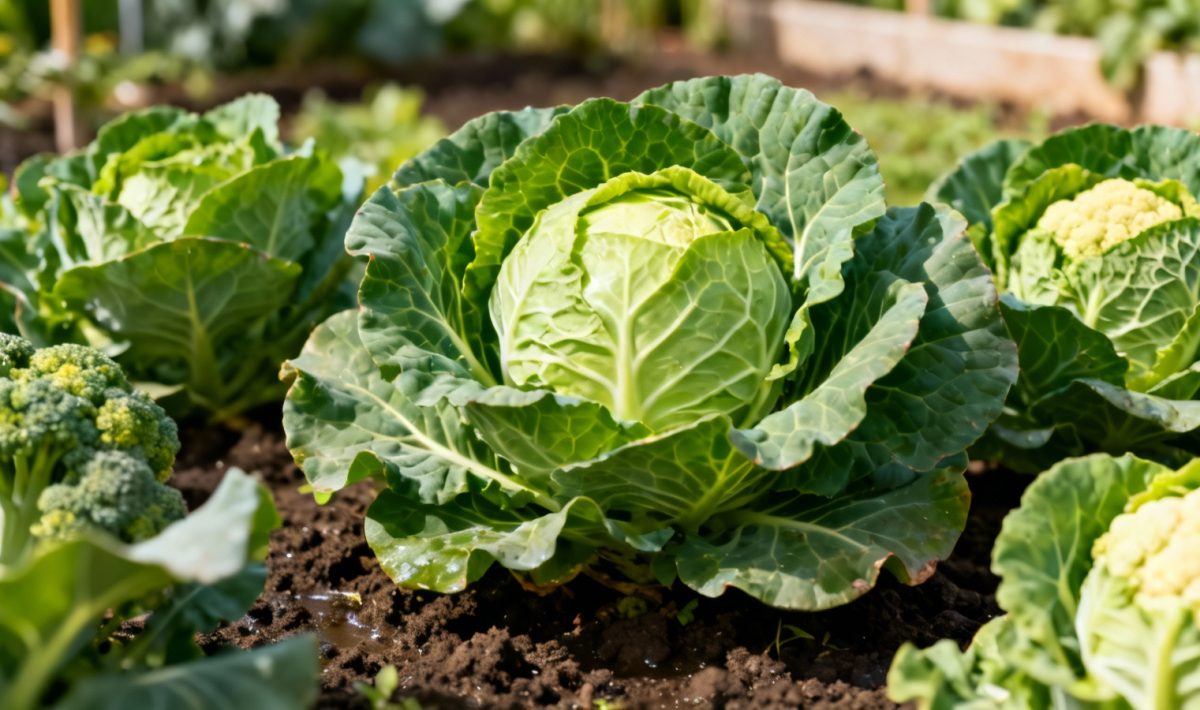
Cabbage, scientifically known as Brassica oleracea, represents one of the most versatile vegetables in the garden. This remarkable species encompasses numerous varieties, from the classic capitata (head cabbage) to the trendy kale and the distinctive rave varieties. The plant typically reaches heights of up to one meter, featuring thick, fleshy leaves that can be smooth, curled, or lobed depending on the cultivar.
The feuilles of Brassica oleracea showcase impressive diversity in texture and color. While traditional choux display the familiar green hues, ornamental varieties like ‘Coral’ and ‘Peacock’ offer stunning centers in rose, white, violet, or jade green. These plants develop from robust racines that anchor them firmly in the soil, supporting their substantial growth throughout the growing season.
What makes cabbage particularly fascinating is its rich nutritional profile. The plante contains abundant vitamins A, B, C, K, and the unique vitamin U, which supports digestive health. Additionally, these légume varieties provide essential antioxidants, potassium, and dietary fiber that contribute to overall wellness.
Optimal growing conditions for Brassica oleracea culture
Successful cabbage culture begins with understanding the ideal sol requirements. These plants thrive in well-drained, fertile soil with a pH between 6.0 and 6.8. The growing medium should be riche in organic matter, providing the nutrients necessary for robust développement. Heavy clay soils can be improved with compost or aged manure to enhance drainage and fertility.
Températures play a crucial role in cabbage production. Most variétés prefer cool weather conditions, with optimal growing temperatures ranging from 60°F to 70°F during the day. However, different choux varieties have varying temperature tolerances. For instance, kale demonstrates excellent cold résistance, while some tropical cultivars can withstand warmer climates.
Location selection significantly impacts the success of your cabbage cultures. Choose a site that receives full sun to partial shade, ensuring adequate air circulation around the plants. This helps prevent common maladies that can affect Brassica species. Much like the meticulous approach needed for care tips for garlic mustard plants, proper site preparation sets the foundation for healthy growth.
Planting and propagation techniques
The semis process for cabbage typically begins indoors 6-8 weeks before the last expected frost. Start graines in seed trays filled with high-quality potting mix, planting them approximately ¼ inch deep. Maintain consistent moisture and provide temperatures around 65°F for optimal germination, which usually occurs within 5-10 days.
When preparing to semer directly in the garden, ensure soil temperatures have reached at least 45°F. Space plants according to their mature size – compact varieties need 12-18 inches between plants, while larger variétés require 18-24 inches. Proper spacing prevents overcrowding and reduces competition for nutrients and water.
Transplanting requires careful attention to timing and technique. Harden off young plants gradually over 7-10 days before planting outdoors. Set transplants slightly deeper than they were growing in their containers, firming the sol gently around the roots. Water thoroughly after planting to eliminate air pockets and encourage rapid root establishment.
Seed starting and transplant care
Quality graines form the foundation of successful cabbage production. Select varieties suited to your growing région and intended harvest time. Early varieties like ‘Early Jersey Wakefield’ mature in 60-70 days, while storage types may require 100+ days to reach full maturity.
During the transplant stage, monitor young plants for signs of stress or disease. Healthy plants display vibrant green feuilles and sturdy stems. Remove any yellowing or damaged leaves promptly to maintain plant health and prevent the spread of potential problems.
Essential care and maintenance practices
Consistent watering forms the cornerstone of proper cabbage care. These plants require approximately 1-1.5 inches of water per week, delivered through deep, infrequent watering sessions. Maintain even soil moisture to prevent issues like cracking or stunted growth. Mulching around plants helps retain moisture and suppress weeds that compete for resources.
Fertilization supports vigorous growth and quality pomme formation. Apply a balanced fertilizer at planting, followed by side-dressing with nitrogen-rich fertilizer 3-4 weeks later. Avoid over-fertilizing with nitrogen late in the season, as this can delay maturity and reduce storage quality.
Regular monitoring for ravageurs and maladies ensures healthy crops. Common problems include cabbage loopers, flea beetles, and clubroot disease. The attention to detail required here mirrors the careful observation needed when caring for Japanese pieris flowers, where prevention proves more effective than treatment.
Disease and pest management
Implementing crop rotation prevents soil-borne diseases from establishing in your growing area. Avoid planting Brassica species in the same location for at least three years. This practice disrupts disease cycles and maintains soil health for future plantings.
Beneficial insects can help control pest populations naturally. Encourage predatory beetles, parasitic wasps, and other helpful species by maintaining diverse plantings near your cabbage patch. Row covers provide physical protection from flying pests during vulnerable growth stages.
Harvesting and storage considerations
Timing the récolte correctly ensures optimal flavor and storage potential. Head cabbages are ready when they feel firm and solid to the touch. Harvest in the morning when plants are fully hydrated, using a sharp knife to cut the stem just above the soil line. Leave outer feuilles intact if you plan to encourage secondary head formation.
Different choux varieties have varying harvest windows. Kale can be harvested continuously by picking outer leaves, allowing the center to continue producing. Storage varieties should be harvested before hard freezes, as damaged heads won’t keep well in storage.
Proper storage extends the usable life of your cabbage crop significantly. Store whole heads in a cool, humid environment around 32-40°F with 90-95% humidity. Under optimal conditions, some varieties can remain fresh for several months, providing homegrown vegetables well into winter.
Maximizing nutritional value
The nutritional content of cabbage peaks at harvest time and gradually declines during storage. Consume fresh cabbage soon after harvesting to maximize vitamin and mineral content. Different cooking methods affect nutrient retention differently – light steaming preserves more vitamins than prolonged boiling.
Once you’ve mastered basic cabbage growing, consider experimenting with unusual varieties to diversify your harvest. Purple cabbage adds color to salads and maintains its vibrant hue when properly prepared. Chinese cabbage varieties offer different textures and flavors, expanding your culinary options.
Succession planting extends your harvest season and provides a continuous supply of fresh cabbage. Plant new crops every 2-3 weeks during the appropriate growing season for your area. This technique works particularly well for quick-maturing varieties that can be harvested multiple times per season.
The dedication required for successful cabbage growing shares similarities with other rewarding crops. Just as growing common persimmon successfully requires patience and proper technique, mastering cabbage culture rewards gardeners with abundant, nutritious harvests.
Advanced cultivation techniques
Experienced growers often employ specialized techniques to improve yields and quality. Blanching certain varieties by tying outer leaves over developing heads creates tender, pale centers. This method works particularly well with cauliflower and some cabbage types that benefit from protection from direct sunlight.
Companion planting enhances cabbage health and productivity. Plant aromatic herbs like dill, rosemary, or thyme nearby to deter pests naturally. Avoid planting near tomatoes or other nightshades, as they can compete for similar nutrients and may harbor shared pests.
For those interested in expanding their plant care knowledge beyond vegetables, learning about houseplants like essential tips for golden pothos care can provide valuable insights into plant biology and care principles that apply across different species.
Seasonal considerations and planning
Spring plantings should focus on cool-season varieties that can tolerate light frosts. These crops typically produce the best quality heads when they mature during cool weather. Fall plantings often yield superior storage cabbage, as cooler temperatures during development enhance flavor and keeping quality.
Regional adaptation plays a crucial role in successful cabbage production. Northern gardeners can grow cabbage as a summer crop, while southern growers often achieve better results with fall and winter plantings. Research varieties developed for your specific climate zone to maximize success rates and harvest quality.
Allan is a lifelong gardening enthusiast who still gets excited when the first seedlings pop up in spring. With a deep love for nature and a hands-in-the-soil approach, he shares practical tips, plant discoveries, and clever tricks picked up over years of digging, planting, and observing. Whether you’re a new gardener or have a shed full of tools, Allan writes like a neighbor who’s always happy to swap cuttings and stories over the fence.
You can find more about Allan’s work on Malt or connect with him on LinkedIn.