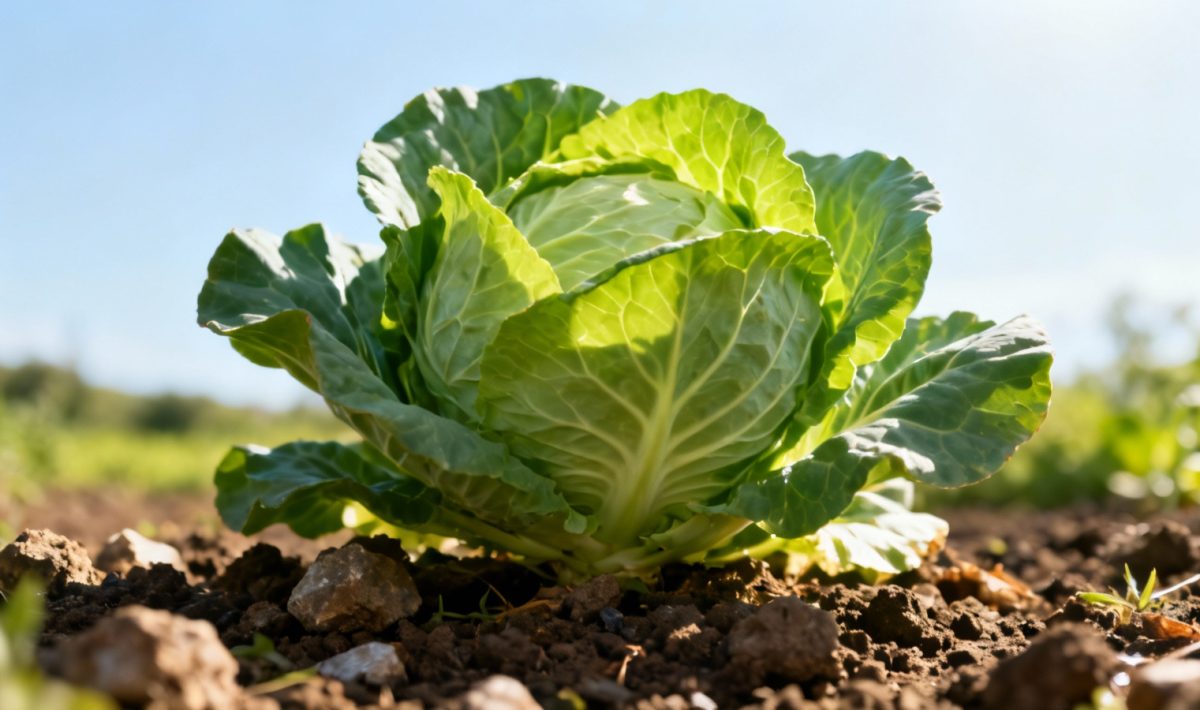
How much sunlight does cabbage need for optimal growth and harvest
Growing your own cabbage delights at home starts with understanding one fundamental question: how much sunlight does cabbage need? This essential brassica oleracea requires specific light conditions to develop those firm, flavorful heads we all love. Whether you’re planning your first vegetable garden or expanding your current growing space, getting the sunlight requirements right makes all the difference between a successful harvest and disappointing results.
Cabbage thrives best when it receives at least 6 hours of direct sunlight daily. However, for optimal growth and head formation, this versatile plant actually benefits from 6 to 8 hours of full sun exposure. The morning sunlight proves particularly valuable as it helps dry dew from the leaves, reducing the risk of fungal diseases that can plague brassica crops.
In regions with intense summer heat, some afternoon shade can actually benefit your cabbage plants. This protection prevents the soil from becoming too warm and helps maintain the cool, moist conditions that cabbage prefers. Just like understanding sunlight requirements for strawberries, knowing your local climate helps determine the best growing conditions.
Different cabbage varieties may have slightly varying light requirements, but the 6-8 hour rule applies to most common types including green cabbage, red cabbage, and savoy varieties. Seeds planted in spring typically establish better root systems when they receive consistent, adequate sunlight from germination through maturity.
Signs your cabbage needs more light
When cabbage doesn’t receive sufficient sunlight, several telltale signs become apparent. The most obvious indicator is loose, poorly formed heads that fail to develop the tight, compact structure characteristic of well-grown cabbage. Plants may also exhibit excessive leaf growth with weak, spindly stems that struggle to support the developing head.
Pale or yellowish leaves often signal inadequate light exposure, as the plant cannot photosynthesize efficiently. Additionally, cabbage grown in insufficient light becomes more susceptible to pests and diseases, as stressed plants have weakened natural defenses. Much like growing red maples successfully, proper light exposure strengthens plant immunity.
Another clear sign of light deficiency is delayed maturity. Cabbage that should be ready for harvest in 70-90 days may take significantly longer to develop usable heads when light conditions are poor. The flavor can also suffer, with light-starved plants producing bitter or less savoureux results.
Optimizing soil and planting conditions
While sunlight remains crucial, your cabbage’s success depends equally on proper soil preparation. Well-draining soil enriched with organic matter provides the foundation for healthy growth. The soil should maintain consistent moisture without becoming waterlogged, as soggy conditions can lead to root rot even in properly lit locations.
Plant your cabbage seeds or transplants when soil temperatures reach 45-50°F in spring. For fall crops, start seeds 12-14 weeks before your first expected frost. Space plants 12-18 inches apart to ensure each receives adequate light penetration and air circulation. This spacing also makes cultivation and harvest easier as your cabbage heads mature.
Consider the growing season when planning your cabbage plantation. Cool-season crops like cabbage actually prefer temperatures between 60-70°F, making spring and fall the ideal planting times in most climates. Summer heat combined with intense sunlight can cause premature bolting, where plants focus energy on seed production rather than head formation.
Maximizing growth through proper care
Consistent watering proves essential for cabbage success, especially during head formation. Provide about 1-1.5 inches of water weekly, either through rainfall or irrigation. Mulching around plants helps retain soil moisture and keeps roots cool, which complements the benefits of proper sunlight exposure.
Fertilizing your cabbage supports vigorous growth when combined with adequate light. Apply a balanced fertilizer at planting, then side-dress with nitrogen-rich fertilizer about 3 weeks later. This feeding schedule ensures plants have the nutrients needed to convert sunlight into healthy growth effectively.
Regular monitoring helps you catch potential issues early. Just as gardeners learn about optimal light for common zinnia, observing your cabbage daily allows you to adjust care as needed. Watch for pest problems like cabbage worms or aphids, which can quickly damage plants and reduce harvest quality.
Harvesting and enjoying your homegrown cabbage
Proper harvest timing maximizes both flavor and storage potential. Cabbage heads are ready when they feel firm and solid to gentle pressure. The outer leaves should be tight against the head, and the color should be vibrant and uniform. Most varieties reach maturity 70-100 days from transplanting, depending on the specific type and growing conditions.
Cut cabbage heads at the base with a sharp knife, leaving the outer leaves and root system intact. In many cases, smaller secondary heads will develop from the remaining plant, extending your harvest period. This technique works particularly well when plants have received optimal sunlight throughout the growing season.
Fresh cabbage stores well in cool, humid conditions and can last several months when properly handled. The superior flavor of homegrown cabbage, cultivated under ideal light conditions, far surpasses store-bought options. Whether you use it fresh in salads, fermented into sauerkraut, or cooked in your favorite recipes, the delights of garden-fresh cabbage make the growing effort worthwhile.
Managing challenges and extending growing success
Understanding how different plants utilize light helps create a more diverse and productive garden. For example, learning about light needs for cornflowers can help you plan companion plantings that complement your cabbage crop without competing for the same resources.
Common challenges in cabbage growing often relate to seasonal variations in light quality and intensity. During shorter winter days, those growing cabbage in cold frames or greenhouses may need supplemental lighting to maintain healthy growth. LED grow lights can provide the necessary spectrum and intensity when natural sunlight proves insufficient.
Planning successive plantings every 2-3 weeks extends your harvest season while ensuring each crop receives optimal growing conditions. This staggered approach prevents you from having too much cabbage ready simultaneously while maximizing your garden’s productivity throughout the growing season.
Creating the ideal growing environment
Successful cabbage cultivation requires attention to multiple environmental factors working together. Beyond sunlight, consider wind protection, especially for fall crops that may face harsh weather. Similarly, understanding requirements for other plants like caring for florist kalanchoe helps you create microclimates that benefit all your garden plants.
Crop rotation plays an important role in maintaining soil health and preventing disease buildup. Avoid planting brassica family crops in the same location year after year. Instead, rotate with legumes, nightshades, or root vegetables to maintain soil fertility and reduce pest pressure while ensuring each crop receives the light conditions it needs.
The investment in quality seeds from reputable sources pays dividends in final harvest quality. Look for varieties suited to your climate and growing season, whether you prefer compact types for small gardens or large heading varieties for maximum yield. Much like researching oyster plant growth essentials, choosing the right variety sets the foundation for growing success.
Growing your own cabbage offers tremendous satisfaction and provides fresh, nutritious vegetables for your table. With proper attention to sunlight requirements, soil preparation, and ongoing care, you can enjoy abundant harvests of this versatile and delicious vegetable throughout multiple growing seasons.
Allan is a lifelong gardening enthusiast who still gets excited when the first seedlings pop up in spring. With a deep love for nature and a hands-in-the-soil approach, he shares practical tips, plant discoveries, and clever tricks picked up over years of digging, planting, and observing. Whether you’re a new gardener or have a shed full of tools, Allan writes like a neighbor who’s always happy to swap cuttings and stories over the fence.
You can find more about Allan’s work on Malt or connect with him on LinkedIn.