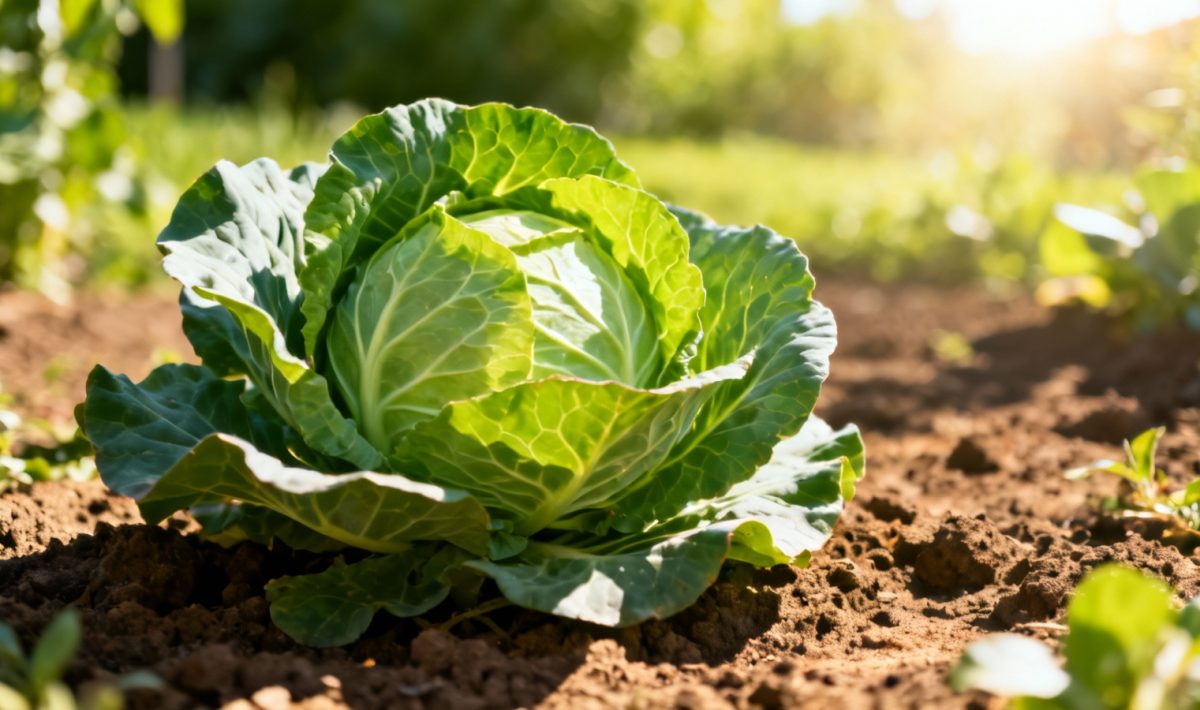
How much sunlight does cabbage need for optimal growth and harvest
Growing cabbage at home can be incredibly rewarding, especially when you understand exactly how much sunlight this versatile vegetable needs. Today, I’m sharing practical insights that will help you cultivate fresh, crisp cabbage heads right in your garden. The key to success lies in providing the right amount of light exposure for your graines to flourish.
Cabbage thrives best with at least 6 hours of direct sunlight daily, though 8 hours is ideal for optimal growth. This cruciferous vegetable needs consistent light exposure to develop those tight, compact heads we all love. Without adequate sunlight, your chou plants often become leggy and fail to form proper heads.
The quality of light matters just as much as quantity. Direct morning sunlight is particularly beneficial, as it helps dry dew from the feuilles and reduces the risk of fungal diseases. When planning your garden layout, consider how sunlight moves across your space throughout the day.
Best positioning for your cabbage plants
Choose a location that receives good morning sun exposure but has some protection from the harsh afternoon heat. This balance ensures your seeds develop into strong, healthy plants. The ideal spot often receives 6-8 hours of sunlight with gentle air circulation.
Water your cabbage regularly, but avoid overhead watering during sunny periods to prevent leaf burn. Early morning watering allows plants to absorb moisture before the day heats up. For those interested in understanding light requirements for other garden vegetables, you might find it helpful to learn about ideal sunlight for potato plants.
Seasonal light considerations
Spring and fall offer perfect conditions for cabbage cultivation. During these seasons, the sunlight is less intense but still provides adequate energy for photosynthesis. Summer growing requires more careful attention to prevent heat stress, while winter cultivation often needs supplemental lighting in many regions.
Temperature and light work together as a winning combination. Cool weather with bright sunlight creates ideal growing conditions. When temperatures rise above 75°F, consider providing some afternoon shade to protect your verts from bolting prematurely.
Optimizing light exposure in your garden
Strategic placement makes all the difference for successful cabbage cultivation. Plant your graines in rows running north to south to ensure even light distribution throughout the day. This orientation prevents taller plants from shading shorter ones and maximizes sun exposure for all your pièces.
If your garden has limited sunny areas, prioritize the sunniest spots for your cabbage. These plants must have adequate light to form the dense, crisp heads that make them perfect for fresh salads or traditional dishes. Understanding light needs for herbs can also enhance your garden planning, such as learning about light requirements for growing coriander.
Container growing considerations
Growing cabbage in containers gives you flexibility to move plants as needed. You can position containers to follow the sun throughout the day, ensuring maximum light exposure. However, container plants often need more frequent watering, especially when placed in full sun locations.
Choose containers at least 12 inches deep to accommodate the strong root system cabbage develops. Good drainage is essential, but you must maintain consistent moisture levels for healthy growth.
Troubleshooting common light-related issues
When cabbage doesn’t receive enough sunlight, several problems emerge. Plants become stretched and weak, with loose, open heads instead of tight formations. The feuilles may appear pale green rather than the vibrant, dark green of healthy plants.
Too much intense sunlight can also cause problems, particularly during hot summer months. Leaves may develop brown edges or appear bleached. If you notice these signs, provide some afternoon shade using row covers or shade cloth.
For gardeners dealing with various light requirements across different plants, it’s worth noting that trees have completely different needs. For instance, understanding sunlight requirements for cabbage trees can help with landscape planning.
Maximizing harvest quality
Proper sunlight exposure directly impacts the quality of your final harvest. Well-lit cabbage develops better flavor, improved nutritional content, and longer storage life. The heads will be denser and more flavorful when plants receive adequate daily light.
Harvest timing also connects to light exposure. Cabbage is ready when heads feel firm and solid to the touch. Good light exposure throughout the growing season ensures this firmness develops properly. Fresh cabbage from your home garden simply tastes better than store-bought varieties.
Creating the perfect growing environment
Beyond sunlight, creating optimal growing conditions involves considering your overall garden design. Companion planting can help maximize space while ensuring all plants receive adequate light. Plant shorter herbs and vegetables around your cabbage to make the most of your garden’s sunny areas.
Soil preparation is equally important for light utilization. Well-draining, fertile soil helps plants make the most of available sunlight. When roots are healthy and well-fed, plants can efficiently convert light energy into growth. Regular soil testing ensures your garden provides the best foundation for success.
For those expanding their gardening knowledge, learning about light needs for different plant types can be valuable. Understanding requirements for other species, such as proper sunlight for sycamore trees, helps create a well-planned garden ecosystem.
Long-term garden planning for success
Successful cabbage cultivation requires thinking beyond just one growing season. Track how sunlight patterns change in your garden throughout the year. Note which areas receive the most consistent light and plan your planting accordingly.
Keep a garden journal recording light conditions, planting dates, and harvest results. This information becomes invaluable for future planning and helps you identify the best spots for different crops. Many experienced gardeners find that this systematic approach leads to significantly improved results over time.
Remember that gardening is an ongoing learning process. Each season brings new challenges and opportunities to refine your techniques. With proper attention to sunlight requirements and consistent care, you’ll soon be enjoying fresh, homegrown cabbage that’s perfect for everything from coleslaw to traditional fermented preparations.
Allan is a lifelong gardening enthusiast who still gets excited when the first seedlings pop up in spring. With a deep love for nature and a hands-in-the-soil approach, he shares practical tips, plant discoveries, and clever tricks picked up over years of digging, planting, and observing. Whether you’re a new gardener or have a shed full of tools, Allan writes like a neighbor who’s always happy to swap cuttings and stories over the fence.
You can find more about Allan’s work on Malt or connect with him on LinkedIn.