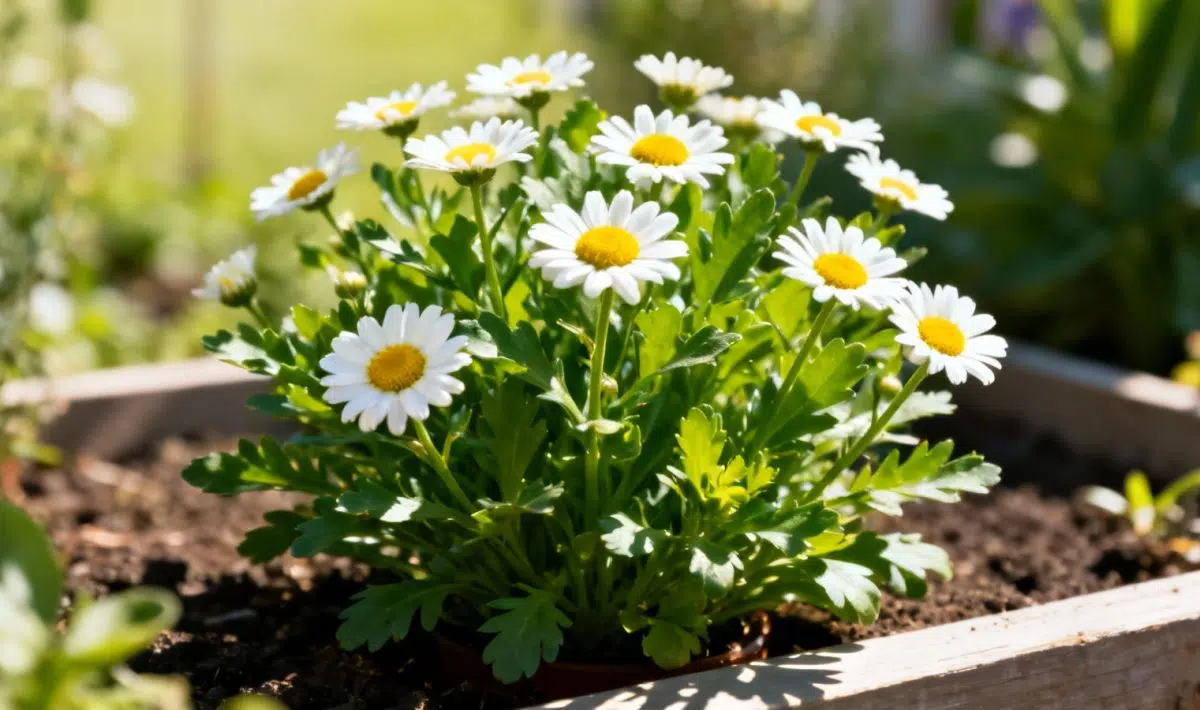
Understanding German chamomile sunlight requirements
German chamomile (Matricaria chamomilla) is a delightful herb that brings both beauty and functionality to your garden. When you’re planning to grow this aromatic plant from seeds, understanding its sunlight needs is absolutely crucial for success. The amount of light this herb receives directly impacts everything from flower production to the concentration of beneficial essential oils.
This gentle annual herb thrives best when it receives at least 6 hours of direct sunlight daily, though it can truly flourish with up to 8 hours of full sun exposure. German chamomile is quite forgiving compared to more demanding plants, but providing adequate light will reward you with abundant white and yellow flowers that are perfect for teas and natural remedies.
Optimal light conditions for chamomile growth
For best results with your chamomile seeds, you’ll want to select a garden spot that receives full sun throughout most of the day. The plant can tolerate some light shade, particularly during the hottest part of summer afternoons, but insufficient sunlight will reduce flower production and weaken the plant overall.
Here’s what German chamomile needs for optimal growth:
Minimum 6 hours of direct sunlight daily
Ideally 8 hours for maximum flower production
Morning sun is particularly beneficial
Can handle light afternoon shade in hot climates
Well-draining soil in sunny locations
When chamomile receives adequate sunlight, it develops strong stems, produces more flowers, and concentrates higher levels of the beneficial compounds that make this herb so valuable. Much like how coriander growth and sunlight needs vary based on growing conditions, chamomile also adapts to different light scenarios while performing best in full sun.
Comparing with other garden plants
Understanding chamomile’s sunlight requirements becomes easier when you compare it to other common garden plants. While some vegetables like potato sunlight needs for best growth can be quite specific, chamomile is generally more adaptable to varying light conditions.
When you buy chamomile seeds, proper planting in the right location sets the foundation for healthy growth. Choose an area in your garden that receives morning sun, as this helps dry dew from the leaves and reduces disease risk. The fast-growing nature of this herb means you’ll see results quickly with proper care.
Start by preparing your soil well before planting. German chamomile prefers light, well-draining soil that doesn’t hold water around the roots. You can sow seeds directly in the garden after the last frost, or start them indoors about 6 weeks before your last expected frost date.
Watering and maintenance tips
Once your chamomile plants are established, they’re quite drought-tolerant and don’t require excessive watering. Water deeply but infrequently, allowing the soil to dry out between waterings. This herb actually produces more concentrated essential oils when it’s slightly stressed by dry conditions.
During the growing season, you can harvest flowers regularly to encourage more blooms. The white and yellow flowers are ready to pick when they’re fully open, typically in the morning after the dew has dried but before the heat of the day.
Maximizing your chamomile harvest
To get the most from your chamomile plants, timing your planting and providing consistent care are essential. This herb grows best in cooler weather, so spring and fall plantings often produce the highest quality flowers with the strongest fragrance and therapeutic properties.
Consider succession planting by sowing new seeds every 2-3 weeks throughout the growing season. This approach ensures a continuous supply of fresh flowers for your herbal tea collection or other uses. German chamomile will often self-seed in favorable conditions, giving you volunteer plants the following year.
Store your dried chamomile flowers in airtight containers away from light to preserve their potency. With proper sunlight exposure during growth, your homegrown chamomile will be far superior to what you can buy in most stores, with better flavor and higher concentrations of beneficial compounds.
Troubleshooting common issues
If your chamomile plants are producing few flowers or seem weak and spindly, insufficient sunlight is often the culprit. Moving containers to sunnier locations or choosing a different garden spot for next year’s planting can solve this problem quickly.
Plants grown in too much shade may also be more susceptible to fungal diseases and pest problems. German chamomile that receives adequate sunlight develops stronger natural defenses and requires less intervention from gardeners.
Remember that while this herb is generally easy to grow, providing the right amount of sunlight from the start will give you the best results with minimal effort. Whether you’re growing chamomile for tea, natural remedies, or simply to enjoy its pleasant fragrance in your garden, proper light exposure is the key to success.
Allan is a lifelong gardening enthusiast who still gets excited when the first seedlings pop up in spring. With a deep love for nature and a hands-in-the-soil approach, he shares practical tips, plant discoveries, and clever tricks picked up over years of digging, planting, and observing. Whether you’re a new gardener or have a shed full of tools, Allan writes like a neighbor who’s always happy to swap cuttings and stories over the fence.
You can find more about Allan’s work on Malt or connect with him on LinkedIn.