How much sunlight does sweet basil need for premium quality growth
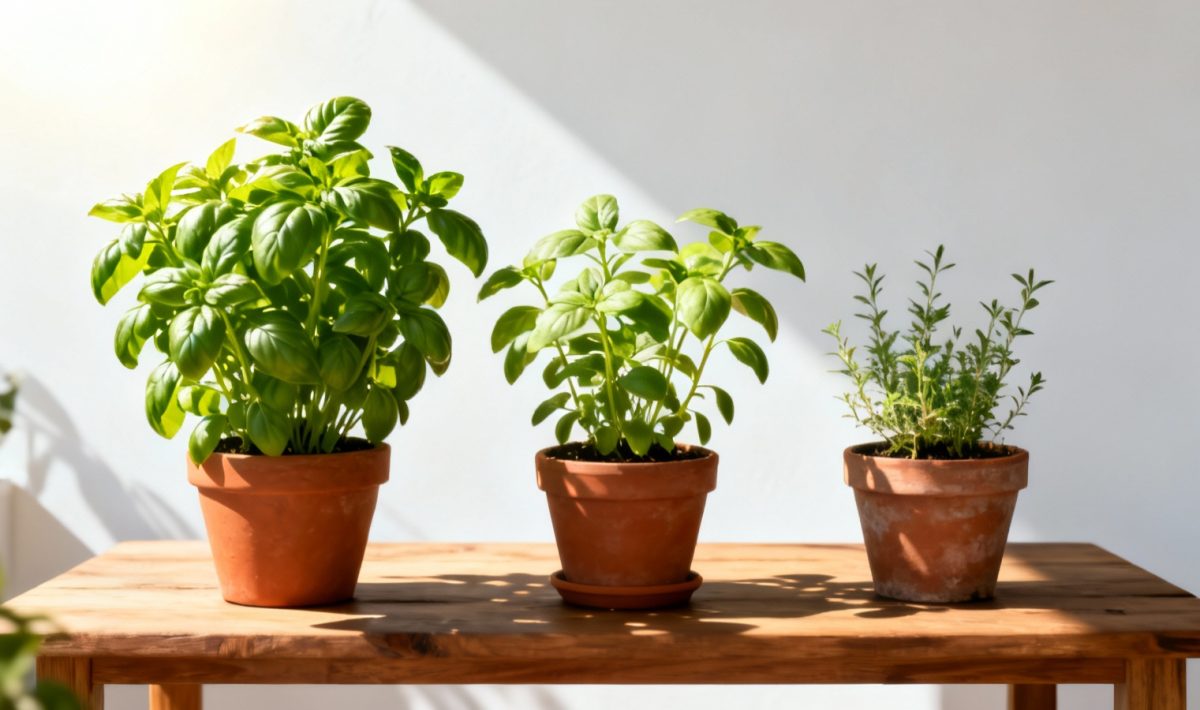
Growing sweet basil from seeds can be incredibly rewarding, but understanding how much sunlight this aromatic plant requires is absolutely crucial for success. Sweet basil needs at least 6 to 8 hours of direct sunlight daily to develop its characteristic flavor and vibrant green leaves that make it such a premium addition to any herb garden.
Sweet basil thrives best with consistent exposure to bright, direct sunlight throughout the growing season. This Mediterranean plant originally comes from warm, sunny regions, which explains its high light requirements. Without adequate sunlight, your basil plants will struggle to produce the essential oils that give them their distinctive aroma and flavor.
The quality of your basil leaves depends heavily on proper light exposure. Plants grown in insufficient light often develop pale, weak leaves with reduced aromatic compounds. For premium quality results, position your basil where it can receive morning sun, which is gentler and helps prevent leaf burn during hot summer days.
Optimal growing conditions for basil seeds
When starting basil from seeds, ensure your growing area provides consistent warmth and bright light. Young seedlings are particularly sensitive to light conditions, and proper exposure from the beginning sets the foundation for healthy, productive plants. Much like how coriander’s sunlight growth conditions affect its development, basil requires careful attention to its lighting needs during the germination phase.
Temperature and light work together to create ideal conditions for basil growth. The soil should remain warm, ideally between 65-75°F, while providing those crucial 6-8 hours of direct sunlight. This combination encourages vigorous root development and strong stem growth from your premium seeds.
Indoor growing and artificial lighting
For indoor cultivation, especially during winter months, you can supplement natural light with artificial sources. LED grow lights work well for basil, providing the full spectrum of light these plants crave. Position lights 12-18 inches above your plants and run them for 12-14 hours daily to compensate for reduced natural sunlight.
Window placement is crucial for indoor basil growing. South-facing windows typically provide the best natural light exposure, though east or west-facing windows can also work well. Rotate your pots regularly to ensure even light distribution and prevent plants from leaning toward the light source.
How much sunlight does sweet basil need in different seasons
Summer growing presents unique challenges as intense heat can stress basil plants despite their love for sunlight. During peak summer months, consider providing some afternoon shade to prevent leaf scorch while maintaining those essential morning hours of direct sun exposure.
Spring and fall cultivation requires attention to changing light angles and duration. These seasons often provide ideal conditions for basil growth, with moderate temperatures and ample sunlight. Plant your seeds during these periods for the best establishment and growth rates.
Choosing the perfect location
Selecting the right spot for your basil involves more than just sunlight hours. Consider wind protection, soil drainage, and proximity to water sources. A location that receives morning sun but has some protection from harsh afternoon winds will help your plants maintain optimal moisture levels while getting adequate light.
Container growing offers flexibility in positioning your basil for optimal light exposure. You can move pots throughout the day or season to follow the sun’s path. This adaptability is particularly useful for maximizing light exposure in challenging garden spaces.
Signs of proper and inadequate lighting
Well-lit basil plants display vibrant green foliage with sturdy stems and compact growth. The leaves should feel thick and aromatic when touched, indicating healthy essential oil production. Premium quality basil grown in optimal conditions will have that characteristic sweet, peppery fragrance that makes it so valuable for culinary use.
Plants receiving insufficient light often show elongated stems, pale leaves, and reduced aromatic compounds. These symptoms indicate your basil is stretching toward available light sources and struggling to photosynthesize effectively. Adjusting light exposure can quickly improve plant health and leaf quality.
Maximizing sunlight exposure for best results
Strategic planting techniques can help you make the most of available sunlight in your garden space. Companion planting with lower-growing herbs or vegetables ensures your basil receives full sun exposure without being shaded by taller plants. Much like understanding potatoes and their sunlight needs helps in garden planning, knowing basil’s requirements allows for better garden layout decisions.
Reflective surfaces can help increase light availability in partially shaded areas. White walls, light-colored mulch, or reflective materials positioned near your basil plants can bounce additional light onto the foliage, helping compensate for less than ideal positioning.
Seasonal adjustments and protection
Understanding how to protect your basil while maintaining adequate light exposure is essential for long-term success. During extremely hot weather, shade cloth providing 30-50% shade during peak afternoon hours can prevent heat stress while allowing morning and evening sun exposure.
Cold protection becomes important as seasons change, but don’t sacrifice light exposure for warmth unless absolutely necessary. Row covers or cold frames can provide protection while maintaining light transmission, extending your growing season for continued fresh leaf production.
Variety considerations and light requirements
Different basil varieties may have slightly varying light requirements, though all benefit from abundant sunshine. Sweet basil, Thai basil, and purple varieties all thrive with 6-8 hours of direct sunlight, but some may tolerate partial shade better than others. Research your specific variety for optimal growing conditions.
When selecting seeds for purchase, consider your available growing space and light conditions. Premium seed varieties often come with specific growing recommendations that can help you achieve the best results in your particular environment. Just as ideal sunlight for cucumber plants varies by variety, different basil cultivars may have unique preferences.
Practical tips for basil cultivation success
Regular monitoring of your basil plants helps ensure they’re receiving adequate light throughout the growing season. Check for signs of stress or inadequate lighting weekly, and be prepared to make adjustments as needed. This attention to detail separates successful basil growers from those who struggle with weak, flavorless plants.
Harvesting techniques can also impact how well your basil utilizes available sunlight. Regular pinching of flower buds and proper pruning encourages continued leaf production and maintains the plant’s ability to capture and use sunlight effectively. Similar to how sunlight requirements for sycamore trees affect their pruning needs, basil benefits from thoughtful maintenance.
Soil preparation plays a supporting role in helping your basil make the most of available sunlight. Well-draining, nutrient-rich soil allows plants to efficiently process the energy they capture from sun exposure. Poor soil conditions can limit a plant’s ability to benefit from even perfect lighting conditions.
Long-term care and maintenance
Established basil plants continue to need consistent light exposure throughout their productive life. As plants mature, they may require more space to prevent self-shading, especially when growing multiple plants close together. Proper spacing ensures each plant receives its full share of available sunlight.
Understanding the relationship between light exposure and harvesting timing helps maximize both yield and quality. Plants grown in optimal light conditions can handle more frequent harvesting while maintaining vigorous growth. Much like sunlight needs for German chamomile affect harvesting schedules, basil’s light requirements influence when and how often you can harvest leaves.
Investing in quality seeds from reputable suppliers ensures you’re starting with varieties bred for vigorous growth under proper conditions. Premium seeds often show better tolerance for variable light conditions while still producing the aromatic, flavorful leaves that make basil such a valuable addition to any herb garden.
Allan is a lifelong gardening enthusiast who still gets excited when the first seedlings pop up in spring. With a deep love for nature and a hands-in-the-soil approach, he shares practical tips, plant discoveries, and clever tricks picked up over years of digging, planting, and observing. Whether you’re a new gardener or have a shed full of tools, Allan writes like a neighbor who’s always happy to swap cuttings and stories over the fence.
You can find more about Allan’s work on Malt or connect with him on LinkedIn.