Understanding common mugwort’s sunlight requirements
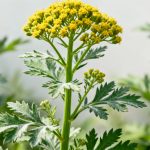
Common mugwort, scientifically known as Artemisia vulgaris, is a fascinating herb that demands specific light conditions to thrive in your garden. This aromatic plant requires at least 6 hours of direct sunlight daily to develop properly and showcase its full potential. Understanding how much sunlight does common mugwort need becomes essential when planning your herb garden layout.
The herb belongs to the artemisia family and has been cultivated for centuries due to its remarkable properties. Mugwort grows naturally in sunny locations and performs best when positioned in areas that receive full sun exposure throughout the day. Similar to how different plants have varying needs, such as sunlight requirements for common beans, mugwort has its own specific light preferences that gardeners should respect.
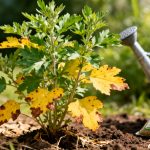
Professional growers often emphasize that insufficient sunlight can significantly impact the plant’s development. When mugwort receives less than its minimum light requirements, you’ll notice weaker stems, reduced flower production, and diminished aromatic qualities that make this herb so valuable.
Optimal light conditions for healthy mugwort growth
Full sun exposure proves crucial for common mugwort’s success in any garden setting. The plant absolutely thrives when placed in locations that receive direct sunlight from morning until evening. This intensive light exposure promotes robust foliage development and enhances the concentration of essential oils within the leaves.
Gardeners should position their mugwort plants in south-facing areas where shadows rarely interfere with light penetration. The herb demonstrates remarkable tolerance to intense sunlight, unlike shade-loving species. However, understanding proper placement becomes even more important when considering other garden companions, much like knowing the sunlight needs of common yew for Mediterranean-style gardens.
Scientific studies have shown that mugwort plants receiving adequate sunlight can produce up to 700,000 seeds per mature plant. This incredible seed production directly correlates with the quality and duration of light exposure the plant receives during its growing season.
Seasonal variations in light requirements
Throughout different seasons, mugwort maintains its high light demands while adapting to changing daylight hours. During spring and summer months, the herb benefits from extended daylight periods, often receiving 12-16 hours of natural light. This extended exposure supports vigorous growth and flower development.
Winter months present unique challenges as daylight hours decrease significantly. However, mugwort’s perennial nature allows it to enter dormancy, reducing its immediate light needs. The plant’s root system remains active underground, preparing for renewed growth when spring returns with longer days.
Soil and environmental factors supporting sunlight absorption
Beyond direct sunlight exposure, soil quality plays a vital role in how effectively mugwort utilizes available light. Well-draining soil allows the plant’s root system to develop properly, supporting healthy foliage that can maximize photosynthesis. The herb grows successfully in various soil types, from sandy to clay compositions.
Proper soil preparation enhances the plant’s ability to convert sunlight into energy efficiently. Adding organic matter improves soil structure, creating conditions where mugwort can establish strong roots and support abundant foliage growth. This foundation becomes particularly important when comparing light utilization with other garden plants, such as understanding optimal sunlight for zinnias in mixed plantings.
Nutrient-rich soil combined with adequate sunlight creates ideal growing conditions. Mugwort responds favorably to locations where these two elements work together, producing the characteristic aromatic foliage and distinctive yellow flowers that make this herb so recognizable.
Water management in sunny locations
Plants growing in full sun locations require careful water management to prevent stress. Mugwort demonstrates excellent drought tolerance once established, but young plants need consistent moisture during their first growing season. Morning watering allows plants to absorb moisture before intense midday sun exposure.
Mulching around mugwort plants helps retain soil moisture while allowing maximum light penetration to the foliage. This practice becomes especially beneficial during hot summer months when evaporation rates increase significantly.
Common growing challenges and solutions
Even with proper sunlight exposure, gardeners may encounter specific challenges when cultivating mugwort. The herb’s vigorous growth habit sometimes requires management to prevent unwanted spreading. Regular harvesting and pruning help maintain plant size while encouraging continued leaf production.
Pest management becomes important in sunny garden locations where various insects may be attracted to aromatic herbs. Fortunately, mugwort naturally repels many common garden nuisibles while attracting beneficial pollinisateurs like bees and butterflies. This characteristic makes it an excellent companion plant for other sun-loving species.
Understanding different plant needs helps create balanced garden ecosystems. For instance, while mugwort thrives in full sun, other plants like light exposure for asparagus ferns require different conditions, allowing gardeners to create diverse, layered plantings.
Maximizing medicinal and culinary properties
Full sunlight exposure significantly enhances mugwort’s médicinales properties. The herb’s essential oil concentration increases with adequate light, making sun-grown plants more potent for traditional uses. Many herbalists specifically seek mugwort grown in full sun conditions for maximum therapeutic value.
Culinary applications also benefit from proper light exposure. Sun-grown mugwort develops stronger flavors and more pronounced aromatic qualities. Professional chefs and home cooks appreciate the intensity that comes from herbs cultivated under optimal light conditions.
Planning your mugwort garden
When planning garden layouts that include mugwort, consider the plant’s mature size and spreading habit. Allow adequate space between plants to ensure each receives full sunlight without shadowing neighbors. The herb can reach heights of 1.4 meters under ideal conditions, requiring thoughtful placement in garden borders.
Companion planting works well with mugwort when combined with other sun-loving herbs. Consider grouping it with plants that share similar light requirements, such as coriander’s sunlight requirements for a productive herb garden section.
Timing your plantation becomes crucial for success. Spring sowings after the last frost date allow young plants to establish during the growing season’s optimal light periods. Seeds germinate best with proper light exposure and alternating temperatures, typically achieving good germination rates when sown in sunny locations.
Long-term garden integration
Establishing mugwort as a permanent garden feature requires understanding its perennial nature and growth patterns. The plant returns annually from its root system, gradually expanding its presence in suitable locations. This characteristic makes it valuable for gardeners seeking low-maintenance herbs that provide consistent yearly harvests.
Consider the herb’s role in supporting local ecosystems. Mugwort flowers attract various beneficial insects while providing habitat for small wildlife. This ecological value, combined with proper sunlight management, creates gardens that support both human needs and environmental health. When designing larger landscape features, understanding light requirements for different species, including sunlight needs for European ash trees, helps create balanced, sustainable growing environments.
Successful mugwort cultivation ultimately depends on respecting the plant’s fundamental need for abundant sunlight. By providing at least six hours of direct sun daily, gardeners can enjoy this remarkable herb’s full range of benefits, from aromatic foliage to traditional uses, ensuring healthy plants that contribute meaningfully to diverse garden ecosystems.

Allan is a lifelong gardening enthusiast who still gets excited when the first seedlings pop up in spring. With a deep love for nature and a hands-in-the-soil approach, he shares practical tips, plant discoveries, and clever tricks picked up over years of digging, planting, and observing. Whether you’re a new gardener or have a shed full of tools, Allan writes like a neighbor who’s always happy to swap cuttings and stories over the fence.
You can find more about Allan’s work on Malt or connect with him on LinkedIn.