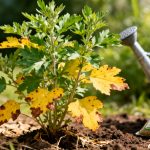
Common mugwort, scientifically known as Artemisia vulgaris, stands as one of nature’s most versatile herbs. This remarkable plant has captured gardeners’ attention for centuries with its distinctive aromatic properties and numerous practical applications. Whether you’re interested in growing this hardy perennial for its medicinal benefits or simply adding a unique aromatic herb to your garden, understanding its characteristics and cultivation requirements will ensure success in your gardening endeavors.
Botanical characteristics of Artemisia vulgaris
The mugwort plant displays distinctive features that make it easily recognizable among garden herbs. Its feuilles exhibit a characteristic silver-green coloration with deeply serrated edges, creating an attractive textural contrast in any garden setting. The plant typically reaches heights of 3 to 6 feet at maturity, making it an excellent choice for background plantings or natural hedging.
During its flowering period, Artemisia vulgaris produces small, inconspicuous fleurs arranged in dense panicles. These yellowish-green blossoms appear from mid-summer through early fall, providing subtle visual interest while attracting beneficial insectes to your garden space. The entire plant emanates a distinctive bitter-sweet fragrance that intensifies when leaves are crushed or brushed against.
Research published in various journal articles has documented the complex composition of this remarkable espèce. Studies reveal significant concentrations of active composes including essential oils, flavonoids, and sesquiterpene lactones. The analysis of these naturel compounds demonstrates why traditional médecine systems have valued this herbe for generations.
Optimal growing conditions for mugwort cultivation
Successfully cultivating Artemisia vulgaris begins with understanding its preferred environmental conditions. This adaptable plante thrives in full sun exposure, requiring a minimum of 6 to 8 hours of direct sunlight daily for optimal croissance. While it tolerates partial shade, the strongest aromatic properties develop under bright, sunny conditions.
Soil requirements remain refreshingly straightforward for this hardy espèces. The plant adapts to virtually any well-draining sol type, from sandy loam to clay-based compositions. However, proper drainage proves essential to prevent root rot and other moisture-related issues. If your jardin features heavy clay soil, consider incorporating organic matter and coarse sand to improve permeability.
Water management for mugwort follows a less-is-more approach. Once established, the plant demonstrates remarkable drought tolerance, requiring supplemental irrigation only during extended dry periods. Overwatering can actually diminish the concentration of beneficial composes in the feuilles, so moderate moisture levels produce the best results.
Soil preparation and planting techniques
Preparing your planting area properly sets the foundation for healthy plant development. Begin by testing your sol pH, as Artemisia vulgaris performs best in slightly alkaline to neutral conditions, typically between 6.0 and 7.5. Most garden soils naturally fall within this range, but amendments may be necessary in extremely acidic conditions.
When establishing new plants, space them approximately 18 to 24 inches apart to accommodate their spreading growth habit. This spacing allows adequate air circulation while preventing overcrowding as the plants mature. For gardeners interested in companion planting, mugwort pairs well with other aromatic herbes and works similarly to care and propagation of coleus plants in terms of spacing requirements.
Propagation methods for Artemisia vulgaris
Several effective propagation techniques ensure successful expansion of your mugwort collection. Division represents the most reliable method, particularly for established plants that have been growing for two or more years. The best timing for division occurs in early spring, just as new growth begins to emerge from the crown.
To divide mature plants, carefully dig up the entire root system and use a sharp, clean knife to separate sections containing both roots and shoots. Each division should include several healthy growing points to ensure successful establishment. This technique mirrors approaches used in cultivation and care of common beans where root system integrity remains crucial.
Cutting propagation offers another viable option, particularly during the active growing season. Take 4 to 6-inch stem cuttings from healthy, non-flowering shoots in late spring or early summer. Remove lower feuilles and place cuttings in a well-draining rooting medium. Maintain consistent moisture and provide bright, indirect light until root development occurs.
Seed starting considerations
While seed propagation remains possible, it requires patience and specific conditions for optimal results. Artemisia vulgaris seeds benefit from a cold stratification period, mimicking natural winter conditions. Store seeds in slightly moist sand at refrigerator temperatures for 4 to 6 weeks before sowing.
Sow stratified seeds in early spring, barely covering them with soil as they require light for germination. Maintain consistent moisture and temperatures around 65-70°F for best germination rates. Expect sprouting within 2 to 3 weeks under optimal conditions.
Maintenance and harvesting practices
Regular maintenance keeps Artemisia vulgaris healthy and productive throughout the growing season. Pruning plays a crucial role in maintaining plant shape and encouraging bushy growth. Pinch or cut back flowering stems if you want to focus energy on foliage production, though allowing some fleurs to develop can benefit local wildlife populations.
Harvesting timing significantly impacts the quality and potency of collected material. For medicinal or culinary purposes, gather feuilles just before the plant begins flowering, typically in mid-summer. Early morning harvesting, after dew has evaporated but before the heat of the day, preserves the highest concentration of essential oils.
The harvesting approach shares similarities with care and characteristics of comfrey where timing directly affects the final product quality. Cut stems about 4 inches above ground level to encourage continued growth and multiple harvests throughout the season.
Drying and storage methods
Proper post-harvest handling preserves the valuable propriétés of your mugwort harvest. Bundle small quantities of stems and hang them in a well-ventilated, dark location to dry naturally. Avoid direct sunlight during the drying process, as this can degrade sensitive composes and reduce overall quality.
Once completely dried, strip feuilles from stems and store them in airtight containers away from light and moisture. Properly séchées and stored mugwort retains its potency for up to one year, making it a valuable addition to any herbal collection.
Traditional uses and modern applications
Throughout history, various cultures have recognized the diverse applications of Artemisia vulgaris in traditional médecine systems. Ancient herbes texts document its use for digestive support, women’s health, and as a natural insect repellent. Modern research continues to investigate these traditional claims, with studies examining the activité of various bioactive composes found within the plant.
Contemporary gardeners appreciate mugwort for its practical benefits beyond traditional uses. The plant’s natural properties make it an effective companion for pest management, much like tips for growing garlic mustard demonstrates natural pest deterrent qualities. Its strong fragrance helps repel various garden insects while attracting beneficial pollinators.
Laboratory analysis has revealed that Artemisia vulgaris contains significant levels of compounds with demonstrated antioxidant properties. This research validates many traditional applications while opening new possibilities for modern wellness approaches. However, always consult healthcare professionals before using any herbe for medicinal purposes.
Culinary applications and preparation
In culinary traditions, particularly in Asian cultures, young mugwort leaves serve as flavoring agents for various dishes. The slightly bitter taste complements rich, fatty foods and adds complexity to traditional recipes. Use fresh or dried leaves sparingly, as the intense flavor can easily overwhelm delicate dishes.
When incorporating mugwort into cooking, start with small quantities to gauge your preference for its distinctive taste profile. The herbe pairs well with root vegetables, grains, and hearty stews where its robust character enhances rather than dominates the overall flavor composition.
Growing your own Artemisia vulgaris ensures access to fresh, high-quality material while adding an attractive perennial to your garden landscape. This versatile plant rewards minimal care with abundant harvests, making it an excellent choice for both novice and experienced gardeners seeking to expand their herbal collection with a time-tested, beneficial espèce.

Allan is a lifelong gardening enthusiast who still gets excited when the first seedlings pop up in spring. With a deep love for nature and a hands-in-the-soil approach, he shares practical tips, plant discoveries, and clever tricks picked up over years of digging, planting, and observing. Whether you’re a new gardener or have a shed full of tools, Allan writes like a neighbor who’s always happy to swap cuttings and stories over the fence.
You can find more about Allan’s work on Malt or connect with him on LinkedIn.